2025 Dealership Incentives Guide: Unlock 5% Car Savings

Effectively navigating 2025 dealership incentives can lead to an average of 5% savings on your next vehicle, requiring informed research and strategic negotiation.
Are you planning to purchase a new vehicle in 2025? Understanding and leveraging dealership incentives 2025 is crucial for securing a great deal, potentially saving you an average of 5% on your next purchase. This guide will equip you with the knowledge and strategies needed to navigate the complex world of automotive promotions and drive away with significant savings.
understanding the landscape of 2025 dealership incentives
The automotive market is constantly evolving, and 2025 brings its own set of dynamics that influence dealership incentives. These incentives are essentially financial programs offered by manufacturers or dealerships to stimulate sales, reduce inventory, or promote specific models. For savvy buyers, recognizing the different types of incentives and their underlying purposes is the first step toward unlocking substantial savings.
In 2025, economic factors, production levels, and consumer demand will continue to shape the nature and generosity of these offers. Interest rates, fuel prices, and the availability of new technologies, particularly in electric vehicles, play significant roles. Dealerships often adjust their incentive programs quarterly, or even monthly, to reflect these changing market conditions.
manufacturer incentives vs. dealer incentives
It’s important to distinguish between incentives offered by the car manufacturer and those provided directly by the dealership. Manufacturer incentives are national or regional programs aimed at boosting sales across their network, while dealer incentives are local promotions designed to move specific inventory or meet sales targets.
- Manufacturer Incentives: These typically include low-APR financing, cash back offers, and special lease deals. They are consistent across all dealerships selling that brand in a given region.
- Dealer Incentives: These are often more flexible and can include discounted accessories, extended warranties, or even additional price reductions beyond the manufacturer’s offers. They vary greatly from one dealership to another.
- Combined Offers: Sometimes, manufacturers and dealerships collaborate to offer even more attractive deals, blending factory rebates with local dealer discounts.
Understanding these distinctions helps buyers identify the true source of a discount and better negotiate. By knowing what’s a factory offer versus a dealer-specific promotion, you can strategically leverage both to your advantage. For instance, a dealership might be more willing to negotiate on their margin if they know a strong manufacturer incentive is already attracting buyers.
deciphering common types of incentives and how they work
Dealership incentives come in various forms, each designed to appeal to different types of buyers and financial situations. Familiarizing yourself with these common types will empower you to identify the most beneficial options for your specific purchase, directly impacting your potential average of 5% savings.
These incentives are not always straightforward, often involving complex terms and conditions. A thorough understanding helps you ask the right questions and avoid any hidden caveats that could diminish your savings. From direct cash to favorable financing, each incentive has its own set of rules and benefits.
cash back offers and rebates
Cash back offers, also known as rebates, are direct reductions from the purchase price of a vehicle. These are typically manufacturer-sponsored and are a straightforward way to save money upfront. They are often advertised prominently and can be a significant component of your overall savings.
- Direct Rebates: A fixed dollar amount deducted from the vehicle’s price.
- Loyalty Programs: Special rebates for returning customers of the same brand.
- Conquest Programs: Incentives for buyers switching from a competitor’s brand.
- Special Group Rebates: Discounts for military personnel, recent college graduates, or specific professional associations.
It’s crucial to confirm whether a rebate can be combined with other offers, such as special financing rates. Sometimes, choosing a cash back offer means foregoing a low-APR financing deal, so you’ll need to calculate which option provides the greater overall savings. Always read the fine print to understand eligibility requirements and expiration dates.
navigating low-APR financing and lease deals
Beyond direct cash back, financing and leasing incentives represent another major avenue for savings in 2025. Low Annual Percentage Rate (APR) financing can significantly reduce the total cost of a car loan, while attractive lease deals can lower monthly payments and provide flexibility. These options are often complex, requiring careful consideration of your long-term financial goals.
Manufacturers frequently offer promotional APRs, sometimes as low as 0%, for qualified buyers on specific models. These rates are a powerful incentive, especially in an environment of fluctuating interest rates. Lease deals, on the other hand, focus on reducing the total cost of driving a new car for a fixed period without the commitment of ownership.
understanding low-APR offers
Low-APR financing deals are highly sought after because they directly cut down the interest paid over the life of a loan. A 0% APR offer, for example, means you only pay back the principal amount, saving thousands of dollars compared to a standard loan.
- Eligibility: Typically reserved for buyers with excellent credit scores.
- Term Length: Often limited to shorter loan terms (e.g., 36 or 48 months).
- Trade-offs: May not be combinable with cash back rebates, requiring a choice between immediate savings and long-term interest savings.
Always calculate the total cost of ownership under both low-APR and cash back scenarios before making a decision. A large cash back offer might sometimes outweigh the savings from a slightly higher interest rate, especially on shorter loan terms.
evaluating lease incentives
Leasing can be an attractive option for those who prefer to drive a new car every few years without the responsibilities of ownership. Lease incentives often involve lower monthly payments, reduced down payments, or waived fees.
- Residual Value: The estimated value of the car at the end of the lease term, a key factor in monthly payments. Higher residual values lead to lower payments.
- Money Factor: The interest rate equivalent in a lease, which should be compared against traditional loan APRs.
- Mileage Limits: Be aware of restrictions on annual mileage, as exceeding them can result in significant penalties.
Before committing to a lease, consider your driving habits, how long you typically keep a vehicle, and your financial flexibility. Lease deals can be very appealing, but their suitability depends heavily on individual circumstances and preferences. Always clarify all terms and conditions, including early termination clauses and wear and tear charges.
timing your purchase for maximum incentive benefits
The timing of your car purchase can significantly impact the availability and generosity of dealership incentives. Dealerships and manufacturers operate on sales cycles, quarterly targets, and model year changes, all of which create windows of opportunity for savvy buyers to maximize their savings. Predicting these cycles can lead to securing a better deal, potentially contributing to that average 5% savings.
Understanding when to buy is just as important as knowing what to buy. Certain times of the year, month, or even day can present distinct advantages for negotiation and access to richer incentives. Being patient and strategic with your timing can pay off handsomely.
end-of-month, quarter, and year deals
Dealerships often have sales quotas they need to meet by the end of the month, quarter, or year. As these deadlines approach, sales teams become more motivated to close deals, making them more receptive to negotiation and more likely to offer additional incentives.
- End of Month: Salespeople are keen to hit individual targets, making the last few days of the month prime for negotiation.
- End of Quarter: Dealerships aim to meet broader sales goals set by manufacturers, often resulting in increased incentives.
- End of Year: This is arguably the best time to buy, as dealerships clear out older inventory to make way for new models and pursue year-end bonuses.
These periods often see an increase in manufacturer rebates and dealer discounts. By doing your research and timing your visit strategically, you can leverage the dealership’s urgency to your advantage. Keep an eye on sales reports and news from the automotive industry to anticipate when these opportunities might arise.
new model year arrivals and outgoing inventory
When new model years arrive at dealerships, the previous year’s models often become subject to aggressive incentives to clear out inventory. This presents an excellent opportunity for buyers who don’t necessarily need the absolute latest features.
- Old Inventory Discounts: Significant price reductions on models from the previous year.
- Feature Overlap: Often, the previous model year still offers most of the desirable features, making it a great value.
- Limited Availability: While deals are good, specific trims or colors might be limited, so act quickly once you find what you want.
Always consider whether the updates in the new model year are worth the higher price point. For many, the savings on an outgoing model year vastly outweigh the benefits of minor stylistic changes or new tech features that may not be essential. This strategy is particularly effective for maximizing your savings potential.
researching and comparing incentives effectively
In the digital age, access to information is your most powerful tool when seeking out the best dealership incentives. Effective research and comparison are vital steps to ensure you’re getting the most competitive deal, directly contributing to your goal of an average of 5% savings. Simply walking into a dealership unprepared is a recipe for missing out on potential discounts.
Before you even set foot on a car lot, dedicate time to thorough online research. This involves exploring multiple sources, comparing offers, and understanding what constitutes a genuinely good deal in the current market. Being informed allows you to negotiate from a position of strength.
online resources and tools
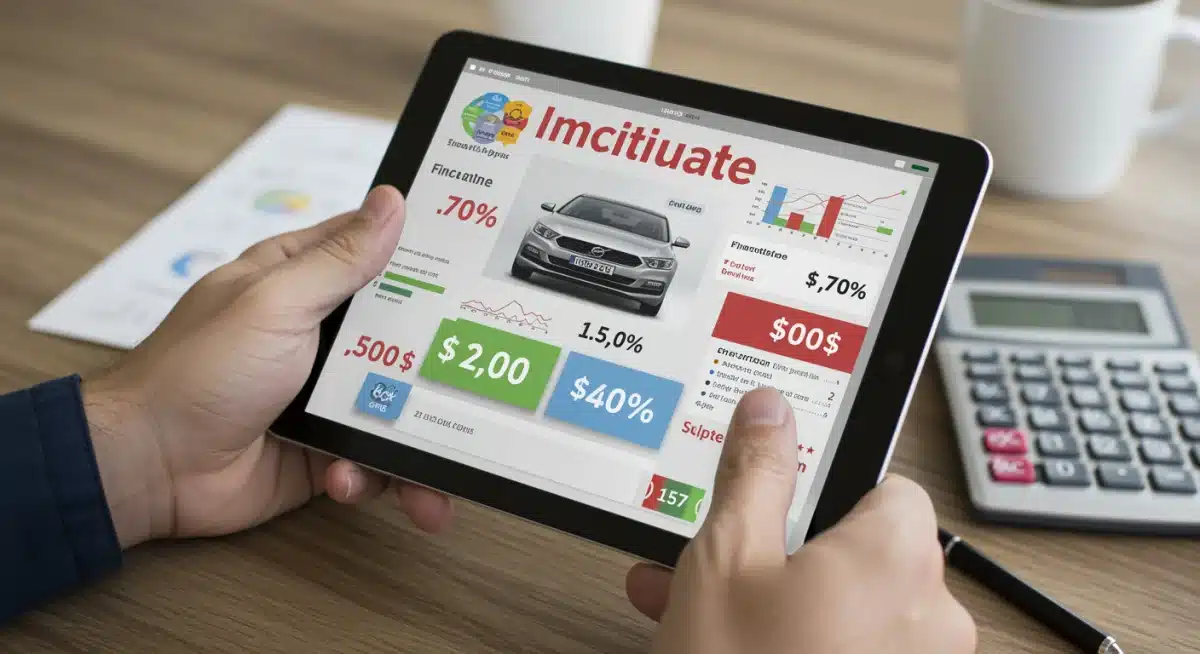
Numerous online platforms and websites are dedicated to tracking and publishing current automotive incentives. These resources can provide a comprehensive overview of what’s available from different manufacturers and even specific dealerships.

- Manufacturer Websites: Always check the official brand websites for current national and regional incentives.
- Third-Party Automotive Sites: Websites like Edmunds, Kelley Blue Book (KBB), and TrueCar often aggregate incentives and provide pricing analysis.
- Dealership Websites: Many dealerships list their local promotions and inventory-specific deals online.
- Forums and Communities: Online car enthusiast forums can be great places to find real-world experiences and tips on current deals.
When using these resources, pay close attention to the fine print, including expiration dates, eligibility requirements, and whether incentives can be combined. Create a spreadsheet to track different offers for models you are interested in, making direct comparisons easier.
getting multiple quotes
Once you have a good understanding of available incentives, contact multiple dealerships to request quotes. This not only helps you find the best price but also creates competition among dealers, further enhancing your negotiation position.
- Email or Online Forms: Use these to request quotes without the pressure of an in-person visit.
- Comparable Vehicles: Ensure you are requesting quotes for the exact same make, model, trim, and options package to facilitate accurate comparison.
- Be Transparent: Let dealerships know you are comparing offers, as this can motivate them to provide their best deal upfront.
Don’t be afraid to use a quote from one dealership to leverage a better offer from another. This competitive dynamic is a powerful tool in your arsenal to maximize your savings. Remember, your goal is not just to find a good deal, but the best possible deal available.
negotiating like a pro: securing your 5% savings
Even with all the research and understanding of incentives, effective negotiation is the final, critical step to truly unlock an average of 5% savings on your next car purchase. Dealerships are in the business of making a profit, but they also want to move inventory, creating a delicate balance where a well-prepared buyer can thrive. Negotiation isn’t about confrontation; it’s about informed discussion and finding common ground.
Approaching the negotiation process with confidence, armed with knowledge about market prices, available incentives, and your financial limits, will put you in a strong position. Remember, every dollar saved through negotiation adds to your overall savings, making the effort worthwhile.
separate the price from the incentives
One of the most common mistakes buyers make is negotiating the monthly payment first. This allows dealerships to hide inflated prices or less favorable interest rates. Always negotiate the vehicle’s out-the-door price before discussing financing or trade-ins.
- Focus on the MSRP: Start by negotiating downwards from the Manufacturer’s Suggested Retail Price (MSRP).
- Incorporate Incentives Later: Once a firm selling price is established, then apply any eligible manufacturer incentives or rebates.
- Be Prepared to Walk Away: Your willingness to leave is your most potent negotiation tool.
By separating these elements, you gain clarity on the true cost of the vehicle and can ensure that incentives are genuinely reducing the price, not just offsetting other charges. This methodical approach prevents confusion and ensures you’re getting the full benefit of every discount.
leverage your trade-in strategically
If you have a trade-in, negotiate its value separately from the new car’s price. Bringing it into the discussion too early can complicate negotiations and allow the dealership to shift numbers around.
- Know Your Trade-in’s Value: Get independent appraisals from KBB, Edmunds, or even other dealerships before visiting.
- Negotiate New Car First: Agree on the price of your new vehicle before bringing up your trade-in.
- Consider Selling Privately: Sometimes, selling your old car yourself can yield a higher return than trading it in.
By treating your trade-in as a separate transaction, you maintain leverage and prevent the dealership from manipulating figures. This ensures you get fair market value for your old vehicle while securing the best possible price on your new one.
avoiding common pitfalls and hidden costs
While dealership incentives offer fantastic opportunities for savings, the car-buying process can also be fraught with pitfalls and hidden costs that can erode your hard-earned discounts. Being aware of these common traps is essential for protecting your average 5% savings and ensuring a transparent transaction. A smart buyer isn’t just looking for deals, but also guarding against unnecessary expenses.
Many of these pitfalls arise from a lack of vigilance or understanding of the various fees and add-ons that can be presented during the final stages of a purchase. Knowing what to look out for can save you hundreds, if not thousands, of dollars.
scrutinizing dealer add-ons and fees
Dealerships often attempt to boost their profits by adding various products and services to the final bill. While some may be legitimate, many are overpriced or unnecessary.
- Extended Warranties: Often marked up significantly; research third-party options or negotiate the price down.
- Paint Protection/Fabric Sealant: High-profit items with questionable long-term value; often much cheaper to apply yourself.
- Documentation Fees: While legitimate, these can vary widely by state and dealership; research what’s typical in your area.
- Preparation Fees: Charges for cleaning or inspecting the car; these should ideally be included in the vehicle’s price.
Always ask for a line-item breakdown of all fees and charges. Challenge anything you don’t understand or believe to be excessive. You have the right to decline most add-ons, and doing so can significantly reduce your overall cost.
understanding the ‘out-the-door’ price
The ‘out-the-door’ price is the total amount you will pay for the vehicle, including all taxes, fees, and charges. This is the most important number to focus on, as it represents your true financial commitment.
- Request a Written Quote: Always ask for a detailed, written breakdown of the out-the-door price.
- Compare Apples-to-Apples: Ensure all quotes you receive from different dealerships are for the out-the-door price of the same vehicle configuration.
- No Surprises: If new fees appear during the final paperwork, question them immediately.
By focusing on the out-the-door price, you consolidate all potential costs into a single, understandable figure. This prevents dealerships from using complex calculations or last-minute additions to inflate the final price, ensuring your negotiated savings are real and tangible.
| Key Strategy | Benefit for 2025 Car Buyers |
|---|---|
| Understand Incentive Types | Distinguish manufacturer vs. dealer offers to identify maximum savings opportunities. |
| Time Your Purchase | Leverage end-of-month/quarter/year and new model arrivals for better deals. |
| Research & Compare Thoroughly | Use online tools and multiple quotes to find the most competitive offers. |
| Negotiate Strategically | Separate price, incentives, and trade-in to secure the lowest out-the-door cost. |
Frequently Asked Questions About 2025 Dealership Incentives
The best times are typically at the end of the calendar year (November/December) when dealerships aim to clear out older models. Also, look for deals at the end of sales quarters (March, June, September) and when new model years are introduced, usually in late summer or early fall.
Sometimes, yes, but it varies by incentive. Manufacturer cash back often cannot be combined with special low-APR financing. However, manufacturer incentives can sometimes be stacked with dealer-specific discounts. Always ask the dealership for clarity on combinability and read the fine print.
Start by checking the official manufacturer websites for national and regional offers. Reputable third-party automotive sites like Edmunds, Kelley Blue Book, and TrueCar also aggregate and publish current incentives. Additionally, many dealership websites list their local promotions.
A cash back offer is a direct reduction from the vehicle’s purchase price, providing immediate savings. Low-APR financing reduces the interest rate on your car loan, saving you money on interest payments over the loan term. You generally have to choose one over the other, so calculate which offers greater overall savings.
Always negotiate the vehicle’s selling price first, independent of any incentives. Once you’ve agreed on a fair price, then apply any eligible incentives. This strategy ensures you’re getting the best possible price for the car itself, and then maximizing your savings through additional offers.
conclusion
Navigating the world of dealership incentives in 2025 doesn’t have to be daunting. By understanding the various types of incentives, timing your purchase strategically, conducting thorough research, and employing smart negotiation tactics, you can confidently secure an average of 5% savings on your next vehicle. Armed with this knowledge, you are well-equipped to make an informed decision and drive away with a deal that truly benefits your budget. Remember, preparation and patience are your greatest assets in the car-buying journey.