2026 Car Buying Guide: Navigating the Future of Automotive Purchases
The automotive landscape is in a perpetual state of evolution, and as we approach 2026, the changes are more profound than ever. The act of purchasing a vehicle is no longer a simple transaction; it’s a complex journey influenced by technological advancements, shifting consumer preferences, environmental considerations, and innovative financing models. This comprehensive guide aims to demystify the 2026 car buying process, providing you with the essential knowledge and strategies to make an informed and satisfying decision. Whether you’re a first-time buyer or a seasoned car owner, understanding the nuances of the upcoming market is crucial for a seamless experience.
The year 2026 promises a market brimming with highly advanced vehicles, from fully autonomous capabilities to significantly improved electric vehicle (EV) ranges and sophisticated infotainment systems. Beyond the vehicles themselves, the buying process is being reshaped by digital platforms, artificial intelligence, and personalized shopping experiences. Consumers will have unprecedented access to information, virtual test drives, and customized financing options, making the traditional dealership model just one of many avenues for acquisition. This guide will delve into these exciting developments, offering practical advice on how to navigate this dynamic environment.
Our journey through the 2026 car buying landscape will cover everything from initial research and budgeting to understanding new vehicle technologies, exploring financing and insurance, and finally, the art of negotiation and post-purchase considerations. We will emphasize the importance of digital literacy, financial preparedness, and a keen awareness of emerging trends to ensure you secure not just a car, but the right car for your future needs. Get ready to embark on a detailed exploration that will equip you for the future of automotive acquisition.
The Evolving Automotive Market: What to Expect in 2026
The automotive industry is undergoing a monumental transformation, driven by innovation and a global push towards sustainability. By 2026, several key trends will define the market, significantly impacting your 2026 car buying experience. Understanding these shifts is the first step towards making a smart purchase.
Rise of Electric Vehicles (EVs) and Hybrids
Electric vehicles are no longer a niche market; they are rapidly becoming mainstream. By 2026, expect a broader range of EVs across all segments, from compact city cars to robust SUVs and even pickup trucks. Advances in battery technology will lead to longer ranges, faster charging times, and more competitive pricing. Hybrid vehicles will also continue to play a crucial role, offering a bridge for consumers not yet ready for full electrification. The availability of charging infrastructure will also have significantly expanded, making EV ownership more practical than ever. When considering your 2026 car buying options, EVs and hybrids will undoubtedly be prominent.
Advanced Driver-Assistance Systems (ADAS) and Autonomous Features
Semi-autonomous driving features, already common, will become more sophisticated and standard across many models. Level 2 and even some Level 3 autonomous capabilities (where the car can handle most driving tasks under specific conditions, but still requires human oversight) will be more prevalent. Features like adaptive cruise control, lane-keeping assist, automatic emergency braking, and advanced parking assist will be refined, offering enhanced safety and convenience. Understanding these systems and their limitations will be vital for any prospective buyer in 2026.
Connectivity and Infotainment
Cars in 2026 will be more connected than ever. Expect seamless integration with your digital life, including advanced voice assistants, over-the-air (OTA) updates for vehicle software, and personalized infotainment experiences. Augmented reality displays, gesture controls, and enhanced cybersecurity measures will also be standard in many vehicles. The car will transform into an extension of your digital ecosystem, offering more than just transportation.
New Ownership Models and Subscriptions
Beyond traditional ownership, subscription services for vehicles are gaining traction. These models offer flexibility, allowing users to swap cars based on their needs without the long-term commitment of ownership. Similarly, features-on-demand, where you can subscribe to unlock certain functionalities in your car (e.g., heated seats, advanced driving modes) for a period, will become more common. These innovative models will provide diverse options for your 2026 car buying journey.
Phase 1: Preparation and Research for Your 2026 Car Buying Journey
A successful car purchase begins long before you set foot in a dealership or click ‘buy’ online. Thorough preparation and diligent research are paramount, especially in the rapidly evolving 2026 car buying market. This initial phase lays the groundwork for making an informed decision that aligns with your needs and financial capabilities.
Define Your Needs and Lifestyle
Start by honestly assessing your needs. Consider:
- Purpose: Is it for daily commuting, family trips, off-roading, or a combination?
- Passenger Capacity: How many people will regularly ride in the car?
- Cargo Space: Do you frequently transport large items, groceries, or sports equipment?
- Driving Conditions: Do you mostly drive in the city, on highways, or in rural areas? What are the typical weather conditions?
- Technology Preferences: Are you keen on the latest infotainment, advanced safety features, or autonomous driving capabilities?
- Environmental Impact: Is fuel efficiency, low emissions, or zero emissions a priority for you?
- Long-Term Plans: How long do you intend to keep the vehicle? This influences depreciation and resale value.
Answering these questions will help narrow down the type of vehicle that best suits your lifestyle, whether it’s a sedan, SUV, truck, minivan, or an electric variant.
Set a Realistic Budget
Your budget should encompass more than just the purchase price. Factor in:
- Purchase Price: The actual cost of the vehicle.
- Financing Costs: Interest rates, loan terms, and down payment.
- Insurance: Premiums can vary significantly based on the vehicle type, your driving record, and location. Get quotes for specific models you’re considering.
- Fuel/Charging Costs: Estimate your annual expenses. EVs might have lower ‘fuel’ costs but consider home charger installation.
- Maintenance and Repairs: Newer cars often come with warranties, but factor in routine maintenance. EVs typically have lower maintenance needs.
- Taxes and Fees: Sales tax, registration fees, and other governmental charges.
- Depreciation: While not an upfront cost, it’s a significant factor in the total cost of ownership, especially if you plan to sell or trade in the car later.
Aim for a budget that allows you to comfortably afford monthly payments and associated running costs without straining your finances. This financial clarity is a cornerstone of smart 2026 car buying.
Initial Vehicle Research
With your needs and budget defined, begin researching specific models. Utilize online resources extensively:
- Manufacturer Websites: Explore official sites for detailed specifications, features, and configurators.
- Automotive Review Sites: Read expert reviews from reputable sources (e.g., Edmunds, Kelley Blue Book, Consumer Reports) for performance, reliability, and user experience insights.
- User Forums and Social Media: Gain real-world perspectives from current owners regarding pros, cons, and common issues.
- Comparison Tools: Use online tools to compare different models side-by-side on key metrics.
- Safety Ratings: Check ratings from organizations like NHTSA (National Highway Traffic Safety Administration) and IIHS (Insurance Institute for Highway Safety).
- Electric Vehicle Resources: If considering an EV, research range estimates, charging infrastructure availability, and potential government incentives.
- Future Tech Insights: Look into upcoming features for 2026 models, as manufacturers often preview innovations years in advance.
Pay close attention to reliability ratings and anticipated resale values, as these significantly impact long-term satisfaction and cost of ownership. This diligent research will empower you during the 2026 car buying process.
Phase 2: Exploring Financing and Insurance Options
Once you have a clear idea of the type of vehicle you want and your budget, the next critical step in your 2026 car buying journey is to explore financing and insurance options. These elements significantly impact the total cost of your vehicle and your monthly expenses.
Understanding Financing Options
In 2026, you’ll have several ways to finance your vehicle:
- Traditional Car Loans: This is the most common method. You borrow money from a bank, credit union, or the dealership (which often acts as a broker for various lenders) and repay it over a set period, typically 3 to 7 years, with interest.
- Leasing: Instead of buying, you essentially rent the car for a fixed term (usually 2-4 years) and mileage limit. Monthly payments are generally lower than loan payments because you’re only paying for the depreciation during the lease term. At the end of the lease, you can return the car, buy it, or lease a new one. Leasing is particularly appealing in the rapidly changing 2026 car buying market, allowing you to drive newer models with the latest technology more frequently.
- Personal Loans: While less common for cars, a personal loan can be used to purchase a vehicle. The interest rates might be higher than dedicated car loans, but the loan is unsecured, meaning the car isn’t used as collateral.
- Manufacturer Financing Incentives: Automakers frequently offer special financing deals, such as 0% APR for qualified buyers or cashback offers. Always compare these with rates from independent lenders.
- Subscription Services: As mentioned, these are gaining popularity. They bundle the cost of the vehicle, insurance, maintenance, and sometimes even charging into a single monthly fee, offering maximum flexibility.
Before committing, get pre-approved for a loan from your bank or credit union. This gives you leverage when negotiating at the dealership and provides a benchmark for comparison. Understand the Annual Percentage Rate (APR), loan term, and any hidden fees. Your credit score will play a significant role in the interest rates you qualify for.
Navigating Car Insurance in 2026
Car insurance is a mandatory and often substantial expense. In 2026, insurance premiums might be influenced by:
- Vehicle Type: High-performance, luxury, or vehicles with expensive repair parts (like some EVs) can have higher premiums.
- Safety Features: Advanced Driver-Assistance Systems (ADAS) can sometimes lead to lower premiums due to reduced accident risk, but complex systems can also increase repair costs if damaged, potentially raising premiums.
- Driving Behavior Data: Telematics-based insurance, where your driving habits are monitored, will be more widespread. Good drivers can benefit from lower rates.
- Location: Urban areas typically have higher premiums due to increased risk of theft and accidents.
- Your Driving Record: A clean record is key to lower rates.
- Coverage Levels: Understand the different types of coverage (liability, collision, comprehensive, uninsured motorist, medical payments) and choose what’s appropriate for your needs and state requirements.
It’s crucial to get multiple insurance quotes for the specific models you are considering before finalizing your purchase. This allows you to factor insurance costs accurately into your overall budget for your 2026 car buying decision. Many insurance providers offer online tools for quick quotes, and independent agents can help compare policies from various companies.
Phase 3: The Modern 2026 Car Buying Experience
The actual act of purchasing a car in 2026 will be a blend of traditional methods and innovative digital approaches. Consumers will have more control and flexibility than ever before, making the 2026 car buying experience potentially more efficient and tailored.
Online vs. Dealership Experience
The Digital Showroom
Online car buying will be highly sophisticated. Many manufacturers and third-party platforms will offer:
- Virtual Showrooms: High-definition 3D models of cars, allowing for detailed interior and exterior exploration.
- Augmented Reality (AR) Configurators: Place a virtual car in your driveway to see how it looks, or use AR to explore interior features.
- Virtual Test Drives: Some platforms may offer simulated driving experiences, providing a sense of the car’s performance and handling from the comfort of your home.
- End-to-End Online Purchasing: Complete the entire transaction online, from configuration and financing approval to trade-in valuation and home delivery of the vehicle.
- AI-Powered Assistants: Chatbots and AI assistants will provide instant answers to questions, guide you through options, and offer personalized recommendations based on your preferences and previous searches.
This digital-first approach provides convenience and transparency, allowing you to compare prices and features without sales pressure. It’s a significant aspect of the modern 2026 car buying process.
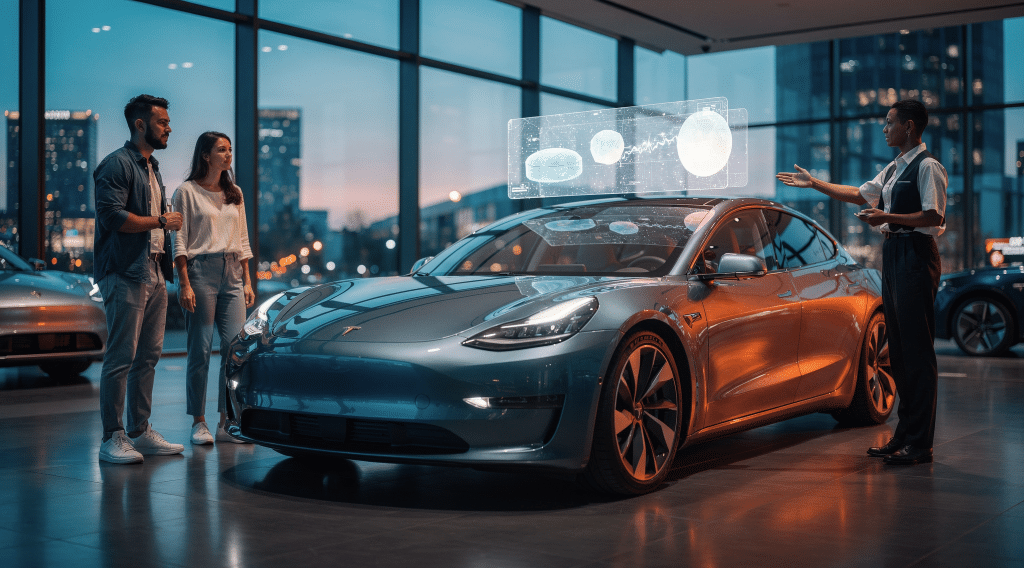
The Evolving Dealership
Dealerships will adapt to this digital shift, focusing on providing a premium, personalized, and value-added in-person experience:
- Experience Centers: Less about high-pressure sales and more about product specialists who can educate you on complex technologies (like EV charging or autonomous features).
- Personalized Appointments: Schedule appointments to test drive specific models, have your trade-in appraised, or finalize paperwork.
- Hybrid Sales Models: Start your process online and finish it in-store, or vice-versa. Dealerships will facilitate seamless transitions between digital and physical interactions.
- Focus on Service and Aftercare: Dealerships will emphasize their service departments, maintenance plans, and customer support to build long-term relationships.
Regardless of whether you choose an online or in-person approach, remember to do your homework. Read reviews of dealerships, inquire about their sales practices, and ensure they are transparent with pricing and fees. This due diligence is crucial for a positive 2026 car buying experience.
Test Driving in 2026
While virtual test drives offer convenience, there’s no substitute for experiencing a car firsthand. In 2026, test drives will be more tailored:
- Extended Test Drives: Some dealerships may offer longer test drives, allowing you to experience the car in your daily routine.
- Home Delivery Test Drives: The car might be brought to your home or office for a test drive, enhancing convenience.
- Autonomous Feature Demos: Dedicated sessions to demonstrate advanced driver-assistance systems and autonomous parking features.
- EV Specific Tests: For electric vehicles, test drives might include a stop at a fast-charging station to demonstrate charging speed and ease of use.
During the test drive, pay attention to:
- Comfort and Ergonomics: How do the seats feel? Is everything within easy reach?
- Visibility: Check blind spots and overall visibility.
- Ride Quality: How does it handle bumps and rough roads?
- Noise Levels: Listen for road noise, wind noise, and engine/motor sounds.
- Technology Interface: Is the infotainment system intuitive? How easy is it to use navigation and other features?
- Acceleration and Braking: How responsive is the car?
Don’t rush the test drive. Take it on routes you typically drive to get a realistic feel for the vehicle. This is a crucial step in ensuring your 2026 car buying decision is the right one.
Phase 4: Negotiation and Finalizing Your Purchase
The negotiation phase can often be the most daunting part of the 2026 car buying process. However, with solid preparation and a clear strategy, you can confidently secure a favorable deal. The final steps involve not just price, but also understanding warranties, extended service plans, and paperwork.
Negotiation Strategies for 2026
In 2026, transparency in pricing will be more common, especially with online sales models. However, there’s still room for negotiation, particularly at traditional dealerships:
- Know Your Numbers: Armed with your pre-approved loan, research on fair market value (from sites like Kelley Blue Book, Edmunds), and competitor pricing, you have a strong position.
- Negotiate the Out-the-Door Price: Focus on the total price of the vehicle, including all fees and taxes, rather than just the monthly payment. This prevents hidden costs from inflating the final price.
- Separate Negotiations: If you have a trade-in, negotiate the price of the new car first, then discuss your trade-in value. If you bundle them, it becomes harder to determine if you’re getting a good deal on either.
- Be Patient and Prepared to Walk Away: Don’t feel pressured to make an immediate decision. If the deal isn’t right, be ready to leave. There are always other options for your 2026 car buying needs.
- Inquire About Incentives: Ask about any manufacturer rebates, special financing rates, or regional incentives you might qualify for.
- Online Price Matching: Leverage online pricing from other dealerships or direct-to-consumer models to negotiate a better deal in person.
For EVs, also inquire about federal, state, and local tax credits or rebates that can significantly reduce the effective purchase price. These incentives are a key aspect of maximizing savings in 2026 car buying.
Understanding Warranties and Service Plans
A new car typically comes with a manufacturer’s warranty, which covers defects for a specific period or mileage. In 2026, pay close attention to:
- Basic Bumper-to-Bumper Warranty: Covers most components.
- Powertrain Warranty: Covers the engine, transmission, and drivetrain.
- EV Battery Warranty: Crucial for electric vehicles, often longer than other warranties. Understand its coverage and degradation clauses.
- Corrosion Warranty: Protects against rust-through.
Dealerships will often offer extended warranties or service contracts. Carefully weigh the pros and cons:
- Cost vs. Coverage: Are the potential repair savings worth the upfront cost?
- Exclusions: What isn’t covered?
- Provider: Is it backed by the manufacturer or a third party?
- Duplication: Does it overlap with your existing warranty?
For many, an extended warranty provides peace of mind, especially with complex new technologies. However, for others, it might be an unnecessary expense. Evaluate based on expected reliability of the model and your risk tolerance.
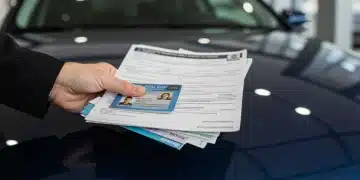
The Paperwork: What to Scrutinize
Before you sign anything, meticulously review all documents:
- Purchase Agreement/Lease Agreement: Ensure the price, trade-in value (if applicable), interest rate, and fees match what you agreed upon.
- Loan Documents: Verify the APR, loan term, monthly payment, and total amount financed.
- Odometer Disclosure Statement: Confirms the vehicle’s mileage.
- Title and Registration Documents: Ensure all personal and vehicle information is accurate.
- Warranty Information: Get copies of all applicable warranties.
- Add-ons: Be wary of unexpected add-ons like paint protection, fabric guard, or VIN etching that weren’t discussed. If they are included, ensure you understand their cost and value.
Don’t hesitate to ask questions if anything is unclear. Take your time to read every line. This attention to detail is paramount for a secure 2026 car buying transaction.
Phase 5: Post-Purchase Considerations and Future Trends
Your 2026 car buying journey doesn’t end when you drive off the lot. The post-purchase phase involves important considerations for maintenance, technology updates, and understanding the future trajectory of automotive ownership.
Maintenance and Service in 2026
Modern vehicles, especially EVs, have different maintenance requirements than older internal combustion engine (ICE) cars:
- EV Maintenance: Generally lower maintenance due to fewer moving parts. Focus areas include tire rotation, brake fluid checks (regenerative braking reduces wear on physical brakes), cabin air filter replacement, and battery health monitoring.
- ICE/Hybrid Maintenance: Regular oil changes, filter replacements, tire care, and fluid checks remain essential. Hybrids also require attention to their electric components.
- Software Updates: Many 2026 vehicles will receive over-the-air (OTA) software updates, improving performance, adding features, and enhancing security. Ensure your vehicle’s software is kept current.
- Specialized Technicians: As vehicles become more complex, especially with advanced electronics and EV powertrains, seeking service from certified technicians with specialized training will be crucial.
Adhere to the manufacturer’s recommended service schedule to maintain your warranty and ensure the longevity and performance of your vehicle. Consider a prepaid maintenance plan if it aligns with your budget and anticipated usage.
Embracing New Vehicle Technologies
Your 2026 vehicle will likely be packed with advanced features. Take the time to:
- Learn Your Car’s Systems: Read the owner’s manual (or access the digital version) and familiarize yourself with all features, especially safety and driver-assistance systems.
- Customize Settings: Personalize infotainment, climate control, and driving preferences to enhance your experience.
- Stay Informed: Keep an eye on news and updates from your car’s manufacturer regarding new features, software improvements, or recalls.
- Cybersecurity: Be aware of the cybersecurity aspects of your connected car. Keep systems updated and use strong passwords for any linked accounts.
Maximizing your use of these technologies will not only make driving more enjoyable but can also improve safety and efficiency, making your 2026 car buying decision even more rewarding.
The Future of Automotive Ownership Beyond 2026
The trends we see in 2026 are just stepping stones to an even more transformative future:
- Full Autonomy: While Level 5 (full, unsupervised autonomy) might still be a few years away, significant progress will continue, reshaping urban planning and personal mobility.
- Vehicle-to-Everything (V2X) Communication: Cars will communicate with each other, traffic infrastructure, and even pedestrians, enhancing safety and traffic flow.
- Sustainable Materials and Manufacturing: Expect a stronger emphasis on eco-friendly materials in vehicle construction and more sustainable manufacturing processes.
- Personalized Mobility Services: The line between car ownership, ride-sharing, and subscription services will blur further, offering highly flexible and customized transportation solutions.
- Advanced Battery Technologies: Solid-state batteries and other innovations will lead to even greater range, faster charging, and potentially lower costs for EVs.
Understanding these future trends helps you make a 2026 car buying decision that remains relevant and valuable for years to come. Your vehicle isn’t just a mode of transport; it’s an investment in a rapidly evolving technological ecosystem.
Conclusion: Mastering Your 2026 Car Buying Journey
The 2026 car buying process is undoubtedly more complex and technologically advanced than ever before, yet it also offers unprecedented opportunities for consumers. By thoroughly preparing, understanding the evolving market, exploring diverse financing and insurance options, and engaging strategically with both digital and physical showrooms, you can navigate this landscape with confidence.
Remember, the key to a successful purchase lies in detailed research, a clear understanding of your needs and budget, and a willingness to embrace the new technologies and purchasing models that define the modern automotive world. From the increasing dominance of electric vehicles and sophisticated autonomous features to personalized online experiences and flexible ownership options, 2026 heralds a new era of automotive acquisition.
By following the step-by-step guide outlined here, you are well-equipped to make an informed decision that not only meets your current needs but also positions you advantageously for the exciting future of personal mobility. Happy 2026 car buying!