2026 Interior Tech: Luxury Reimagined in Premium U.S.-Bound Vehicles
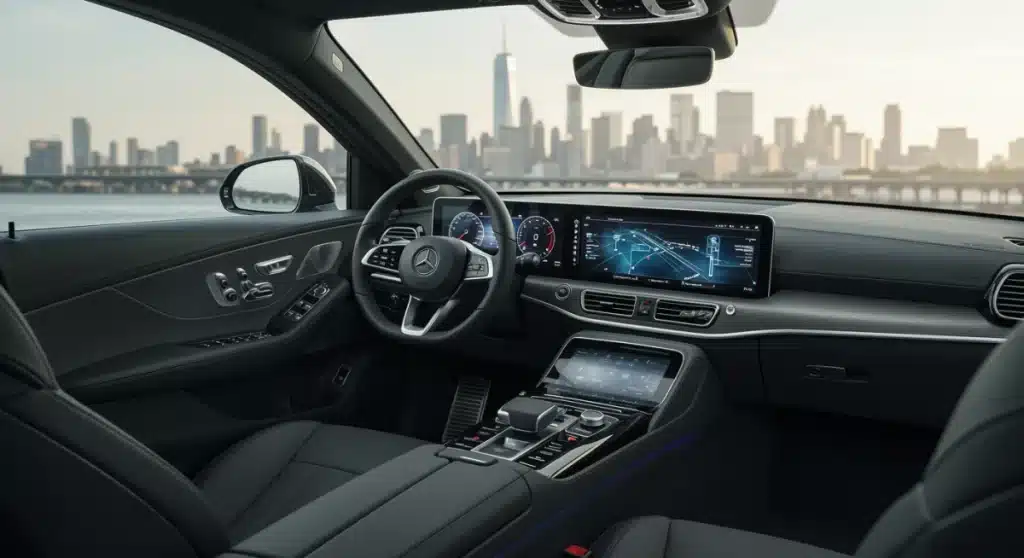
The 2026 interior tech in premium U.S.-bound vehicles is set to revolutionize the automotive experience, integrating advanced AI, sustainable luxury, and hyper-personalization for an unprecedented level of comfort and connectivity.
As we look towards the horizon of automotive innovation, the year 2026 promises a significant leap in how we perceive and interact with our vehicles. The concept of luxury is undergoing a profound transformation, moving beyond mere opulence to encompass intelligent design, seamless connectivity, and unparalleled personalization. This article delves into how 2026 interior tech will redefine premium U.S.-bound vehicles, exploring the groundbreaking features and philosophies driving this evolution.
The Dawn of Intelligent Cockpits and AI Integration
The traditional dashboard is rapidly evolving into an intelligent command center, where artificial intelligence plays a pivotal role in enhancing every aspect of the driving and passenger experience. By 2026, premium vehicles will feature AI systems that learn driver preferences, anticipate needs, and adapt the cabin environment accordingly, creating a truly symbiotic relationship between human and machine.
These sophisticated AI platforms will go beyond simple voice commands, offering proactive assistance and predictive functionalities. Imagine a system that not only suggests the optimal route based on real-time traffic but also adjusts the climate control, seat massage settings, and even your preferred music playlist before you even ask. This level of integration ensures that the vehicle is always a step ahead, providing a seamless and stress-free journey.
Advanced AI Personalization
- Predictive Comfort: AI learns your preferred temperature, seating position, and ambient lighting based on time of day, weather, and driving conditions.
- Proactive Navigation: Systems anticipate destinations and suggest routes, factoring in personal schedules and traffic patterns.
- Personalized Infotainment: AI curates media content, news, and podcasts based on individual preferences and past interactions.
- Wellness Monitoring: Integrated sensors can monitor driver alertness and suggest breaks or adjustments to cabin settings to improve well-being.
The intelligent cockpit isn’t just about convenience; it’s about creating a living space that understands and responds to its occupants. This level of AI integration will be a cornerstone of luxury in 2026, setting new benchmarks for what a premium automotive experience can offer.
Augmented Reality and Immersive Displays
The visual landscape within premium vehicles is undergoing a dramatic transformation, with augmented reality (AR) and expansive, immersive displays becoming standard. Gone are the days of small, static screens; 2026 models will boast panoramic displays and AR head-up displays that seamlessly blend digital information with the real world, enhancing both safety and engagement.
These cutting-edge displays will provide drivers with crucial information projected directly onto the windshield, making navigation intuitive and alerts instantaneous. Passengers, meanwhile, will enjoy personalized entertainment zones, with screens that can project high-definition content, facilitate video conferencing, or even offer interactive gaming experiences, all without distracting the driver.
Redefining the Visual Experience
The integration of AR in navigation systems, for instance, means that directions are no longer just lines on a map but rather dynamic overlays on the road ahead, highlighting turns, points of interest, and potential hazards in real-time. This reduces cognitive load on the driver and allows for a more intuitive understanding of the surroundings. For passengers, multi-zone displays offer individual control over content, ensuring everyone’s journey is tailored to their preferences.
Furthermore, holographic projections may emerge as a novel way to interact with controls and information, adding a sci-fi touch to the luxury cabin. These displays are not merely about size; they are about intelligent, context-aware presentation of information, making the driving experience safer, more engaging, and incredibly intuitive. The visual tech in 2026 luxury vehicles will fundamentally alter how we perceive and interact with our surroundings, both inside and outside the car.
Sustainable Luxury and Biometric Integration
Luxury in 2026 is increasingly synonymous with sustainability and ethical sourcing. Premium U.S.-bound vehicles will feature interiors crafted from innovative, environmentally friendly materials that do not compromise on elegance or comfort. From vegan leathers made from plant-based composites to recycled plastics and responsibly sourced wood, the emphasis is on a guilt-free luxury experience.
Beyond materials, biometric integration will further personalize the cabin experience. Fingerprint scanners, facial recognition, and even heart rate monitors will ensure that the vehicle instantly recognizes its occupants, automatically adjusting settings to their stored profiles. This not only enhances security but also streamlines the user experience, making entry and personalization effortless.
Eco-Conscious Cabin Design
- Vegan and Plant-Based Leathers: High-quality, durable alternatives that mimic traditional leather without animal products.
- Recycled and Upcycled Materials: Utilization of recycled plastics, metals, and fabrics for interior components, reducing waste.
- Natural Wood and Stone Finishes: Responsibly sourced and treated materials adding an organic, sophisticated touch.
- Biometric Access and Personalization: Fingerprint and facial recognition for seamless entry and automatic profile loading.
The shift towards sustainable luxury reflects a growing consumer demand for products that align with their values. These materials are not just about being green; they are about offering superior aesthetics, durability, and a unique tactile experience. Coupled with biometric systems, these innovations create an interior that is both environmentally conscious and deeply personal.
Advanced Haptic Feedback and Intuitive Controls
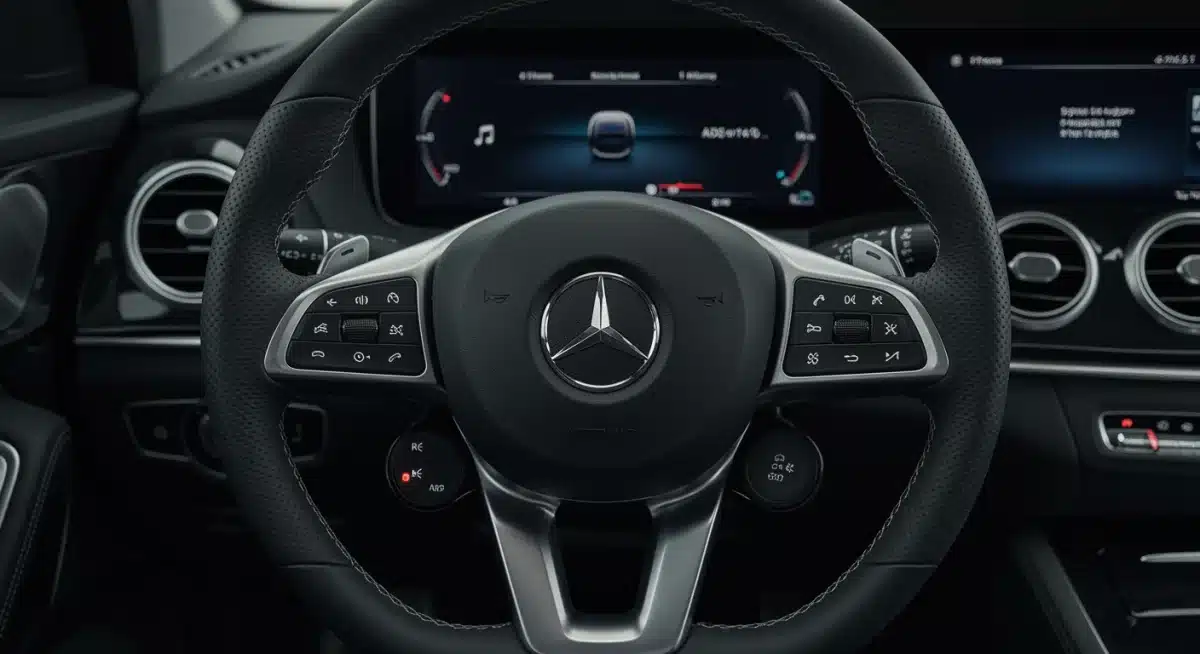
The tactile experience within luxury vehicles is also set for a significant upgrade by 2026. Haptic feedback technology will be integrated into steering wheels, touchscreens, and control surfaces, providing a more intuitive and engaging interaction. Instead of relying solely on visual cues, drivers will receive subtle vibrations and impulses that confirm commands, enhance navigation, and even alert them to potential hazards.
This technology minimizes the need for drivers to look away from the road, improving safety and reducing distraction. Controls will become more seamless, blending into the interior design while offering a rich, responsive tactile experience. The goal is to make every interaction feel natural and immediate, enhancing the overall sense of control and sophistication.
Touch and Feel Reimagined
Imagine a steering wheel that gently vibrates to indicate a lane departure warning, or a touchscreen that provides a subtle click when you select an option, mimicking the feel of a physical button. These advancements are not just about novelty; they are about creating a more intuitive and safer driving environment. The integration of haptic feedback extends to various surfaces, transforming the entire cabin into an interactive space.
Furthermore, gesture controls may become more refined, allowing for hands-free operation of various functions with simple movements. This combination of haptic precision and intuitive gestures will define the control interfaces of 2026 luxury vehicles, ensuring that technology serves the driver and passengers in the most natural way possible. The focus is on reducing cognitive load and increasing user satisfaction through sophisticated yet subtle interaction methods.
Seamless Connectivity and Over-the-Air Updates
Connectivity in 2026 luxury vehicles will transcend simple smartphone integration. These cars will be fully integrated into the digital ecosystem, offering high-speed 5G connectivity as standard, enabling a plethora of services and functionalities. From real-time traffic updates and cloud-based navigation to streaming high-definition content and facilitating remote work, the connected car becomes an extension of our digital lives.
Crucially, over-the-air (OTA) updates will ensure that the vehicle’s software, features, and even performance parameters can be continuously improved and updated without a visit to the dealership. This means that your 2026 luxury vehicle will get smarter, safer, and more feature-rich over its lifetime, maintaining its cutting-edge status for longer.
The Always-Connected Cabin
- 5G Connectivity: Ultra-fast internet access for all occupants, supporting demanding applications and services.
- Cloud-Based Services: Seamless integration with personal cloud accounts, smart home devices, and productivity tools.
- Robust Cybersecurity: Advanced encryption and security protocols to protect personal data and vehicle systems.
- Continuous OTA Improvements: Regular software updates for new features, performance enhancements, and security patches.
This level of connectivity transforms the vehicle from a mere mode of transport into a dynamic, evolving digital hub. The ability to receive OTA updates ensures that the car remains relevant and capable of adapting to future technological advancements and user demands. It’s about providing a future-proof investment that continues to deliver value and innovation throughout its lifespan.
The Future of Comfort: Adaptive Seating and Ambient Experiences
Comfort in 2026 luxury vehicles will be reimagined through highly adaptive seating and customizable ambient experiences. Seats will no longer just be upholstered structures; they will be intelligent entities capable of adjusting to individual body types, providing dynamic support, and offering a range of massage and climate control functions. These systems will use sensors to detect pressure points and adjust proactively, ensuring optimal ergonomic support on long journeys.
Ambient lighting and soundscapes will also play a crucial role in creating a personalized atmosphere. Multi-color LED lighting systems will adapt to mood, time of day, or driving conditions, while advanced audio systems will create immersive sound environments, from concert hall acoustics to tranquil nature sounds, all designed to enhance relaxation or focus.
Personalized Comfort Zones
Adaptive seating technology will incorporate advanced pneumatics and memory foam, allowing for micro-adjustments that support every curve of the body. Beyond physical comfort, these seats might integrate subtle haptic feedback to gently encourage better posture or provide alerts. The climate control systems will be multi-zoned, allowing each passenger to set their ideal temperature and airflow.
The ambient experience extends to scent diffusers, offering a range of calming or invigorating aromas tailored to individual preferences. The cabin of a 2026 luxury vehicle will be a sanctuary, a personalized bubble of comfort and sensory delight, meticulously engineered to cater to the unique desires of its occupants. This holistic approach to comfort underscores the reimagined luxury experience.
| Key Feature | Brief Description |
|---|---|
| Intelligent AI Cockpits | AI systems learn and adapt to driver preferences for proactive comfort, navigation, and infotainment. |
| Augmented Reality Displays | Panoramic and head-up displays blend digital info with the real world for enhanced safety and entertainment. |
| Sustainable Luxury Materials | Interiors feature eco-friendly, ethically sourced materials like vegan leather and recycled plastics. |
| Seamless 5G Connectivity | High-speed internet and OTA updates ensure continuous improvement and digital ecosystem integration. |
Frequently Asked Questions About 2026 Interior Tech
The primary advancements include highly integrated AI systems for personalization, immersive augmented reality displays, sustainable and ethically sourced interior materials, advanced haptic feedback controls, and ubiquitous 5G connectivity with over-the-air updates.
AI will learn driver preferences, anticipate needs, and proactively adjust cabin settings like climate, seating, and entertainment. It will offer predictive navigation and monitor driver well-being, creating a truly intuitive and personalized environment.
Sustainable materials are crucial, reflecting a shift towards eco-conscious luxury. Interiors will feature vegan leathers, recycled plastics, and responsibly sourced wood, offering elegance and comfort without environmental compromise, aligning with consumer values.
Connectivity will feature standard 5G, enabling high-speed access for cloud-based services, streaming, and remote work. Over-the-air updates will ensure continuous software improvements, keeping the vehicle current and extending its technological relevance.
Expect highly adaptive seating with dynamic support, massage functions, and climate control, adjusting to individual body types. Multi-zone ambient lighting and soundscapes will further personalize the cabin atmosphere for ultimate relaxation or focus.
Conclusion
The landscape of luxury automotive interiors is poised for an extraordinary transformation by 2026. The integration of advanced AI, immersive displays, sustainable materials, and hyper-connectivity will redefine what it means to experience premium travel in the U.S. These innovations are not merely technological upgrades; they represent a fundamental shift towards vehicles that are intuitive, personalized, and deeply integrated into our digital and sustainable lifestyles. The future of luxury is intelligent, conscious, and undeniably captivating.