EV news covers government incentives boosting electric car adoption
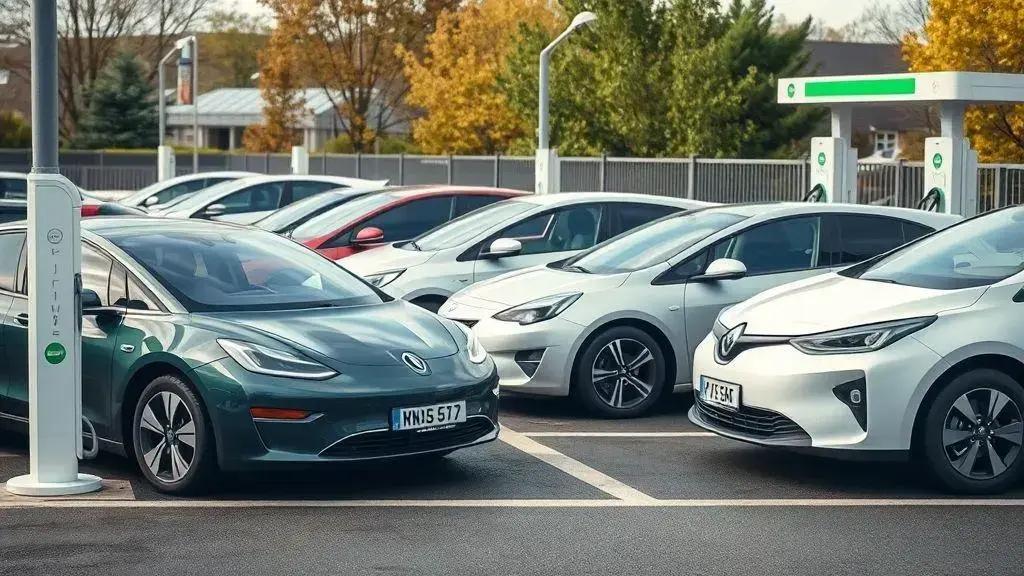
Future electric vehicle policies focus on enhancing sustainability, affordability, and technological integration, while promoting global cooperation to address climate change and increase EV adoption rates effectively.
EV news covers government incentives boosting electric car adoption across states, revealing a significant push towards cleaner transportation. Have you considered how these incentives affect your choices as a driver? Let’s explore the impact of such initiatives.
Understanding government incentives for EVs
Understanding government incentives for EVs can be crucial for potential buyers and stakeholders. These programs aim to encourage the adoption of electric vehicles, making them more accessible to a wider audience. In recent years, many states have implemented these incentives to promote eco-friendly transportation.
Types of Government Incentives
Government incentives come in various forms, providing benefits at both the federal and state levels. These can significantly impact a buyer’s decision to go electric.
- Tax Credits: Many states offer tax credits that can lower the purchase price of electric vehicles.
- Rebates: Some state programs provide cash rebates for buyers, further decreasing overall costs.
- Charging Infrastructure Support: Governments may invest in expanding charging stations, making it easier to own and operate an EV.
- Low-Interest Loans: Financial assistance options can help buyers afford electric vehicles without high upfront costs.
Each state varies in its approach, focusing on aspects that best suit its demographic and environmental goals. For example, some regions prioritize building robust charging networks. This way, they not only support current EV owners but also create a welcoming environment for future buyers.
Benefits of Government Incentives
The benefits of these programs are numerous. They can lead to a significant increase in electric vehicle sales, contributing positively to the environment by reducing emissions. Moreover, they foster innovation in the automotive industry by pushing manufacturers to produce more efficient and appealing models.
As more consumers consider electric vehicles, understanding how these incentives work can help them make informed decisions. Government support plays a vital role in shaping a sustainable future where electric vehicles are the norm rather than the exception.
The impact of incentives on electric car sales
The impact of incentives on electric car sales is substantial and multifaceted. When governments offer financial support, it can make a significant difference in consumer choices, encouraging more individuals to transition to electric vehicles.
Market Response to Incentives
As incentives increase, we often see a corresponding rise in electric vehicle sales. This relationship illustrates how effective government programs can be in promoting environmentally friendly choices. The data shows that many buyers are motivated by the potential savings from tax credits and rebates.
- Significant Sales Growth: States with higher incentives typically see a more rapid increase in EV purchases.
- Wider Model Availability: Increased demand encourages manufacturers to introduce more models, giving consumers more options.
- Increased Consumer Awareness: Campaigns promoting incentives can also educate potential buyers about the benefits of going electric.
- Long-term Market Growth: Sustained incentives can lead to a stable market for electric vehicles, fostering innovation and competition.
This growth is not just a trend; it represents a shift towards more sustainable transportation options. Additionally, as more consumers embrace electric vehicles, the overall market dynamics change, pushing manufacturers to innovate and improve their offerings.
Challenges and Considerations
Despite the positive impact of incentives, challenges remain. Some consumers may still hesitate due to concerns about range limitations or charging infrastructure. Moreover, as the market matures, it is essential to consider how incentives can evolve to remain effective and relevant. States should monitor sales data and consumer feedback to tailor incentive programs accordingly.
While incentives are crucial, understanding local conditions and consumer behaviors is just as important. By combining effective government support with a responsive market, we can create a healthier environment for electric vehicle adoption.
Case studies: States leading in electric vehicle adoption
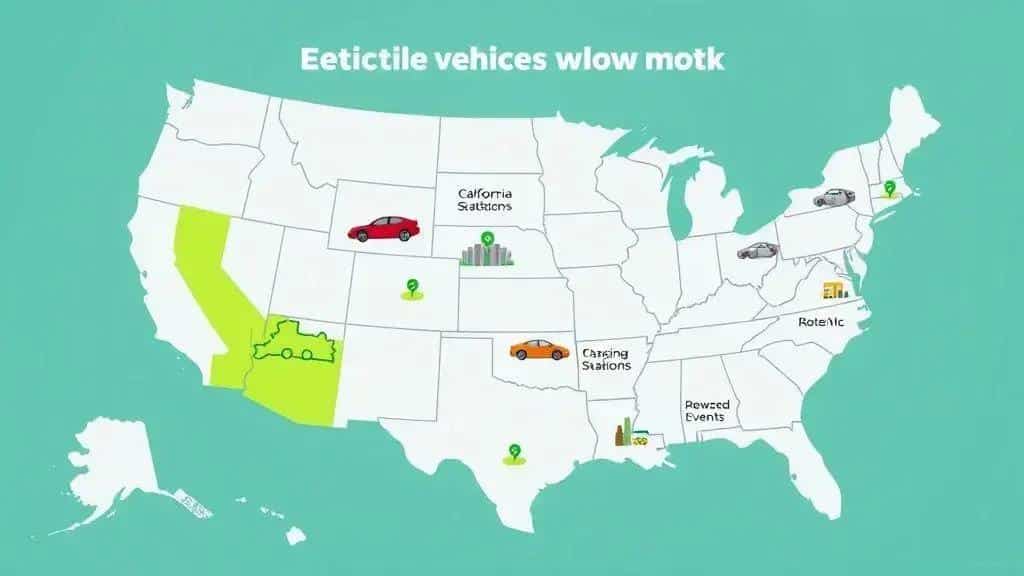
Examining case studies of states leading in electric vehicle adoption provides valuable insights into what works best for promoting green transportation. These states have successfully implemented programs that make owning an electric vehicle more appealing. By looking at these successful examples, we can identify key factors that contribute to high adoption rates.
California: A Pioneer in EV Adoption
California is often regarded as a leader in the electric vehicle market. With strong incentives like rebates and extensive charging infrastructure, the state has seen significant growth in EV sales. Policies targeting emissions reductions also play a critical role in encouraging consumers to choose electric.
- Robust Incentives: California offers substantial rebates for EV purchases, making them more affordable for consumers.
- Charging Network: The state has one of the largest charging networks in the country, reducing range anxiety for potential buyers.
- Environmental Goals: Aggressive goals for emissions reductions motivate consumers to switch to electric.
- Public Awareness Campaigns: Ongoing education about the benefits of EVs helps increase consumer interest.
These factors combined make California a model for other states looking to increase their electric vehicle adoption rates.
Washington: Innovative Approaches to EV Adoption
Washington State takes a slightly different approach. It focuses on community involvement and innovation in sustainable transportation. Programs designed to engage local communities have resulted in increased EV sales.
- Community Engagement: Local workshops educate residents about EV technology and benefits.
- Incentives for Businesses: Programs aimed at businesses encourage the adoption of electric fleets, influencing consumers to follow suit.
- Investment in Research: Washington invests in research and development to improve EV technology and infrastructure.
- Partnerships with Automakers: Collaborations with automakers help ensure the availability of diverse and affordable EV options.
These initiatives highlight how community engagement can foster a strong culture of electric vehicle adoption.
New York: Urban Challenges and Solutions
New York faces unique challenges with its high population density and urban environment. However, the state has implemented effective policies to promote electric vehicles, addressing the urban challenges head-on.
- Incentives for Charging Stations: Grants and support for home and public charging stations make EV ownership feasible in urban settings.
- Integration with Public Transport: Electric vehicles are being integrated with existing public transport options, enhancing accessibility.
- Focus on City Policies: New York City has specific policies promoting electric taxis and ride-sharing services.
- Emphasis on Environmental Impact: A strong focus on reducing emissions motivates urban residents to consider EVs.
These efforts show how even densely populated areas can effectively promote electric vehicle adoption.
Challenges faced in implementing EV incentives
Implementing EV incentives comes with various challenges that can hinder effective adoption. While these incentives are designed to promote electric vehicle usage, several obstacles can complicate their overall success. Understanding these challenges is essential for developing effective policies.
Funding and Budget Constraints
A major issue is the availability of funding. Many states and local governments are constrained by budgets, making it challenging to allocate sufficient resources for incentive programs. This limitation can lead to reductions in the size or scope of available incentives, which diminishes their attractiveness to potential buyers.
- Limited State Budgets: Many states face tight budgets that can restrict the funds available for EV incentives.
- Competing Priorities: Governments often have various departments competing for limited funds, making it difficult to prioritize EV programs.
- Long-term Financial Commitments: Programs may require sustained funding over many years, which can strain budgets.
Without robust financial backing, incentive programs may lack the impact needed to foster significant EV adoption.
Public Awareness and Engagement
Another challenge is raising public awareness about available incentives. Many consumers remain unaware of the benefits of electric vehicles or the incentives designed to make them more affordable. Bridging this information gap is crucial for increasing participation in these programs.
- Educational Efforts: Effective outreach and education campaigns are necessary to inform the public about EV benefits and incentives.
- Misinformation: Misunderstandings about electric vehicles can deter potential buyers from taking advantage of incentives.
- Community Involvement: Local engagement can drive interest, but without it, programs may stagnate.
Engaging the community through events and informative resources can help increase awareness and participation levels.
Infrastructure Development
Lastly, insufficient infrastructure can pose a significant barrier to effective EV adoption. Having a robust network of charging stations is essential for encouraging drivers to switch to electric vehicles. If potential buyers perceive charging as inconvenient or unavailable, they may hesitate to invest in an EV.
- Charging Station Availability: Limited charging infrastructure can create range anxiety for potential EV owners.
- Urban vs. Rural Disparities: Urban areas may have better access to charging stations than rural communities, making incentives less effective in those regions.
- Integration with Existing Infrastructure: Adapting current systems to accommodate charging networks can be complex and expensive.
Addressing these infrastructure challenges is vital for making electric vehicles a viable option for more consumers.
Future outlook for electric vehicle policies
The future outlook for electric vehicle policies looks promising as governments continue to prioritize sustainable transportation. Increasing concerns about climate change and the need for cleaner air are driving policies aimed at reducing emissions. As technology advances, the landscape for electric vehicles will evolve, presenting new opportunities and challenges.
Integration of Advanced Technologies
Future policies will likely embrace advanced technologies that enhance electric vehicle performance and efficiency. Innovations in battery technology may lead to longer ranges and quicker charging times, making EVs more attractive to consumers. As these technologies develop, regulations will need to adapt to encourage their adoption.
- Battery Recycling Initiatives: Policies may focus on responsible recycling of batteries to promote sustainability.
- Smart Charging Solutions: Future incentives could support the development of smart grid technology to optimize charging times and reduce costs.
- Vehicle-to-Grid (V2G) Technology: Regulations might encourage V2G systems that allow EVs to feed energy back into the grid during peak times.
The integration of such technologies will be crucial for enhancing the overall efficiency and sustainability of electric vehicles.
Expanding Access and Affordability
A significant focus of future EV policies will be on improving access and affordability. As the market matures, ensuring that all consumers can benefit from electric vehicle ownership becomes essential. Expanding incentives and financing options will help reduce barriers for underrepresented groups.
- Subsidies for Low-Income Households: Future policies may include subsidies that specifically target low-income families to make EVs more affordable.
- Public Charging Infrastructure: Increased investment in public charging stations will enhance accessibility in urban and rural areas alike.
- Collaboration with Automakers: Partnerships with car manufacturers can lead to more affordable models entering the market.
Enhancing access and affordability will create a more inclusive environment for electric vehicle adoption.
Global Policy Coordination
Another important aspect of future electric vehicle policies will be international cooperation. Climate change is a global issue that requires collective action. Countries may look to harmonize regulations and share best practices, creating a more consistent policy landscape for electric vehicles.
- Global Emission Standards: Coordinated emission standards can help streamline the development of cleaner technologies worldwide.
- Research and Development Collaborations: Countries may collaborate on research initiatives to accelerate innovation in EV technology.
- Shared Learning Experiences: Successful case studies from leading states can inform policy decisions in other regions.
This kind of collaboration is vital for addressing the global challenges of climate change and pollution.
FAQ – Frequently Asked Questions about Electric Vehicle Policies
What are the main goals of future electric vehicle policies?
Future policies aim to enhance sustainability, improve accessibility, and foster technological innovations in electric vehicles.
How will technology impact electric vehicle adoption?
Advancements in battery technology and smart charging solutions will make EVs more efficient and user-friendly, encouraging more consumers to switch.
What measures are in place to increase the affordability of electric vehicles?
Policies may include subsidies for low-income households and partnerships with manufacturers to produce more affordable electric models.
Why is global cooperation important for electric vehicle policies?
International collaboration can lead to standardized emission regulations and shared best practices, strengthening efforts to combat climate change.