2025 Luxury Car Review: Infotainment & Driver-Assist Features
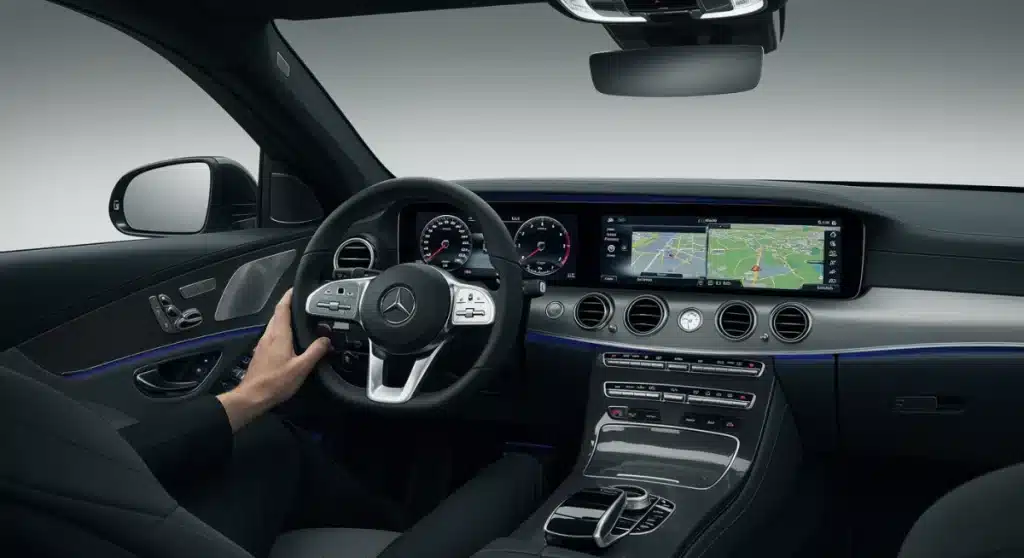
The 2025 luxury car review highlights significant advancements in infotainment and driver-assist features across three flagship vehicles, setting new benchmarks for in-car technology and passenger safety.
As the automotive landscape rapidly evolves, the 2025 luxury car review delves into the heart of innovation, focusing on the sophisticated infotainment systems and advanced driver-assist features now standard in top-tier vehicles. This comprehensive analysis will explore how three flagship models redefine the in-car experience, blending unparalleled comfort with cutting-edge technology to create a truly immersive and safe driving environment.
The Evolving Landscape of Luxury Car Technology
The luxury automotive segment has always been a crucible for technological innovation, with manufacturers continually pushing boundaries to offer an unparalleled driving and passenger experience. For 2025, this trend continues with an even greater emphasis on seamless digital integration and intelligent safety systems. These aren’t just incremental updates; they represent a fundamental shift in how we interact with our vehicles and how cars interact with the world around them.
Modern luxury vehicles are no longer just about opulent materials and powerful engines; they are sophisticated mobile hubs, capable of providing entertainment, connectivity, and critical safety interventions. The integration of artificial intelligence, machine learning, and advanced sensor technology has transformed the cabin into a personalized command center, where convenience, safety, and enjoyment converge. This section sets the stage for our in-depth look at specific models.
Infotainment Systems: More Than Just a Screen
Gone are the days when infotainment systems merely offered radio and basic navigation. Today’s luxury cars boast expansive, high-resolution displays that serve as central nervous systems for the vehicle. These systems are designed for intuitive interaction, often featuring multi-touch capabilities, voice control, and gesture recognition, all working in harmony to minimize driver distraction while maximizing user engagement.
- Seamless Smartphone Integration: Advanced wireless Apple CarPlay and Android Auto are now standard, offering robust mirroring of smartphone apps and services.
- Personalized User Profiles: Multiple driver profiles store preferences for seat position, climate control, media settings, and even preferred driving modes.
- Over-the-Air Updates: Systems benefit from continuous improvements and new features delivered remotely, ensuring the car remains cutting-edge throughout its lifespan.
- High-Fidelity Audio: Premium sound systems with dozens of speakers, often custom-tuned for the vehicle’s interior acoustics, provide an immersive audio experience.
The contemporary luxury car infotainment system is a testament to the industry’s commitment to digital excellence. It’s about creating an extension of the driver’s digital life, securely and efficiently. The goal is to make every journey as connected and enjoyable as possible, whether commuting or embarking on a long road trip. The meticulous design and user experience research behind these systems are evident in their fluidity and responsiveness.
Driver-Assist Features: The Road to Autonomous Driving
Driver-assist features (DAF) have evolved from simple cruise control to complex ecosystems designed to enhance safety and reduce driver fatigue. The 2025 models showcase an impressive array of these technologies, moving closer to fully autonomous capabilities. These systems leverage a combination of radar, lidar, cameras, and ultrasonic sensors to perceive the environment and react faster than humanly possible, mitigating risks and providing a more relaxed driving experience.
The shift towards more sophisticated DAFs is driven by both regulatory pressures and consumer demand for safer, more convenient vehicles. These systems are not just about preventing accidents; they are also about improving the overall quality of driving, making long commutes less stressful and enhancing situational awareness in complex traffic scenarios. The integration of AI allows these systems to learn and adapt, becoming more effective over time.
Advanced Safety Protocols
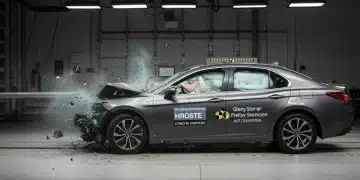
The safety suite in these 2025 luxury vehicles goes far beyond passive protection. Active safety features are designed to prevent collisions or minimize their impact. Predictive capabilities, using data from multiple sensors, allow the car to anticipate potential hazards and prepare for evasive action or emergency braking, often before the driver is fully aware of the threat.
- Adaptive Cruise Control with Stop-and-Go: Maintains a safe distance from the vehicle ahead, automatically adjusting speed and capable of bringing the car to a complete stop and resuming.
- Lane-Keeping Assist and Lane Centering: Actively steers the vehicle to keep it within its lane, reducing driver effort on highways.
- Automatic Emergency Braking with Pedestrian and Cyclist Detection: Identifies potential collisions with other vehicles, pedestrians, or cyclists and applies brakes autonomously if the driver fails to react.
- Blind Spot Monitoring with Rear Cross-Traffic Alert: Warns the driver of vehicles in blind spots and approaching traffic when reversing out of a parking space.
These systems work in concert to create a robust safety net, protecting occupants and other road users. The ongoing development of these technologies is a core focus for luxury manufacturers, aiming to achieve a future with zero accidents. The sophistication of these features is a key differentiator in the premium segment.
Vehicle One: The Pinnacle of Digital Integration
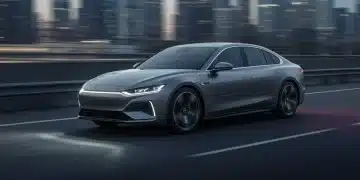
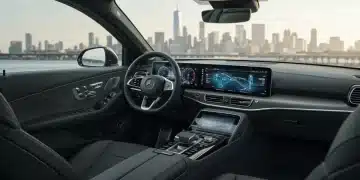
Our first flagship vehicle for this 2025 luxury car review exemplifies the seamless integration of digital technology. Its infotainment system is centered around a massive, curved OLED display that spans the dashboard, offering crisp visuals and haptic feedback. The user interface is highly customizable, allowing drivers to prioritize information crucial to their journey.
Voice commands are processed by an advanced AI assistant that understands natural language, capable of controlling everything from navigation and climate to media and even some vehicle settings. This reduces the need to interact with physical buttons or touchscreens, keeping the driver’s attention on the road. The system also features augmented reality overlays for navigation, projecting turn-by-turn directions directly onto the windshield.
Revolutionary Infotainment and Connectivity
The vehicle’s connectivity extends beyond standard smartphone integration. It includes a built-in 5G hotspot, allowing for ultra-fast internet access for all passengers. Streaming services are deeply integrated, offering a personalized entertainment experience. Rear passengers benefit from individual touchscreens, providing access to media, climate controls, and even personalized productivity tools.
- Multi-zone Audio: Allows different audio sources to be played in various parts of the cabin without interference.
- Biometric Authentication: Uses fingerprint or facial recognition for vehicle access and personalized settings.
- Integrated Digital Wallet: Enables secure in-car payments for fuel, parking, and other services.
The driver-assist suite in this model is equally impressive, featuring a Level 2+ autonomous driving system that can handle highway driving with minimal driver intervention. It includes advanced semi-automatic lane changes and predictive road scanning to adjust suspension and powertrain for upcoming road conditions. The system learns driver habits and offers personalized suggestions for routes and driving styles.
Vehicle Two: A Focus on Intuitive User Experience
Our second contender emphasizes intuitive user experience, aiming to make advanced technology feel effortless. Its infotainment system features a minimalist design with a focus on ease of use. Physical controls are strategically placed for essential functions, complementing the high-resolution central touchscreen. The system prioritizes quick access to frequently used features, reducing menu diving.
The driver-assist features are designed to be unintrusive yet highly effective. The adaptive cruise control system is particularly smooth, reacting naturally to traffic flow. Lane-keeping assist provides gentle corrections, making it feel more like a co-pilot than an automated system. The vehicle also introduces advanced parking assist, capable of navigating complex parking scenarios with minimal driver input, including perpendicular and parallel parking.
Seamless Integration and Enhanced Safety
This vehicle distinguishes itself with its seamless integration of technology into the driving experience. The head-up display is exceptionally clear, projecting vital information directly into the driver’s line of sight without being distracting. The navigation system uses real-time traffic data and offers intelligent re-routing options, even suggesting alternative modes of transport if congestion is severe.
- Predictive Lane Departure Warning: Uses camera data to warn of potential lane departures before they occur, not just when crossing a line.
- Intersection Assist: Monitors cross-traffic at intersections and can apply brakes if a collision is imminent.
- Driver Drowsiness Monitoring: Utilizes facial recognition and steering inputs to detect signs of fatigue and alert the driver.
The emphasis here is on creating a harmonious relationship between driver and machine. The technology is present to assist and enhance, not to overpower or complicate. This model appeals to those who appreciate sophisticated features delivered with understated elegance and practicality. The balance between digital innovation and traditional driving pleasure is a hallmark of this vehicle.
Vehicle Three: Performance Meets Cutting-Edge Tech
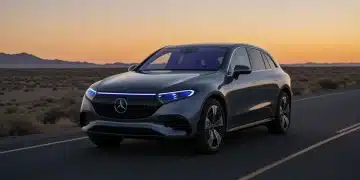
The third flagship vehicle in our 2025 luxury car review stands out by blending high-performance capabilities with an equally high-tech interior. Its infotainment system is built on a powerful, custom-designed processor, ensuring lightning-fast responses and fluid animations. The multi-screen setup includes a dedicated passenger display, allowing them to control media or access navigation without distracting the driver.
Driver-assist features are tuned for dynamic driving, providing support without dulling the driving experience. The adaptive suspension system uses road-scanning cameras to anticipate bumps and potholes, adjusting damping in milliseconds for a consistently smooth ride. The vehicle also features advanced torque vectoring, utilizing individual wheel braking to improve cornering stability and agility.
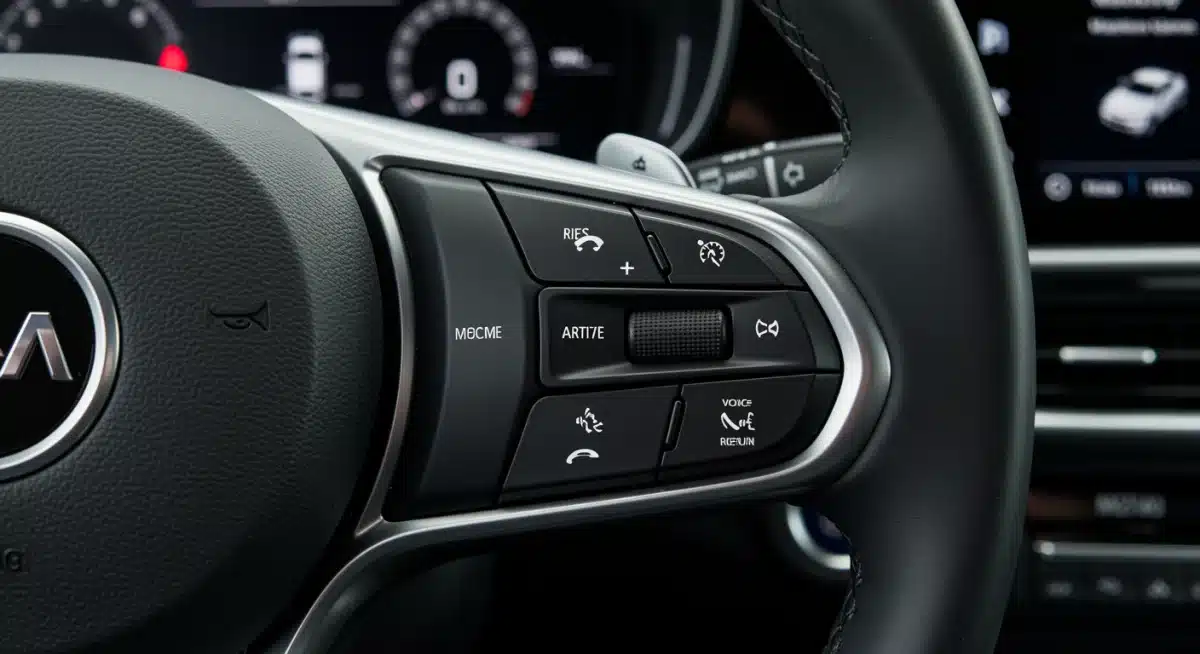
Innovative Driver-Centric Technology
This model’s technology suite is clearly driver-centric, focusing on enhancing control and awareness. The instrument cluster is fully digital and configurable, allowing the driver to display performance metrics, navigation, or driver-assist information as desired. The haptic steering wheel provides subtle feedback for lane-keeping and proximity warnings, adding a tactile dimension to safety alerts.
- Performance Data Recorder: Captures driving metrics, lap times, and video for track enthusiasts.
- Active Noise Cancellation: Uses microphones and speakers to counteract unwanted road and engine noise, ensuring a serene cabin.
- Predictive Power Delivery: Integrates navigation data with powertrain management to optimize performance and efficiency for upcoming terrain.
The driver-assist systems are not just about safety; they are about enhancing the vehicle’s performance envelope. For example, the advanced traction control system uses predictive algorithms to optimize grip in various conditions, while the active aerodynamic elements adjust to improve stability at high speeds. This car is designed for those who demand both exhilarating performance and the very latest in technological sophistication.
Comparative Analysis: Infotainment and Driver-Assist
When comparing these three flagship vehicles, distinct philosophies emerge regarding infotainment and driver-assist features. Vehicle One prioritizes sheer digital integration and expansive screen real estate, aiming for a fully immersive, connected experience. Its AI assistant and AR navigation are standout features, pushing the boundaries of in-car digital interaction. The focus is on making the car a true extension of the digital lifestyle.
Vehicle Two, conversely, champions intuitive design and user-friendliness. While technologically advanced, its systems are crafted to be less obtrusive, with a strong emphasis on practical, seamless assistance. Its minimalist approach to controls and highly refined adaptive cruise control exemplify this philosophy. This model appeals to those who prefer technology to blend effortlessly into the background, enhancing without overwhelming.
Vehicle Three marries high performance with cutting-edge tech, offering systems that not only assist but also elevate the driving dynamics. Its powerful processor and driver-centric displays cater to enthusiasts who want technology to amplify their connection to the road. The integration of performance data recording and predictive power delivery highlights its dual focus on luxury and driving engagement.
Key Differentiators and User Preferences
Each vehicle offers a unique blend of features that will appeal to different luxury car buyers. The choice often comes down to personal priorities: is it maximum digital immersion, effortless usability, or performance-oriented technological enhancement? All three demonstrate exceptional engineering and a commitment to advancing the luxury automotive experience.
- Display Size and Layout: Ranges from single, massive curved screens to multi-display setups with dedicated passenger screens.
- Voice Assistant Capabilities: From basic commands to advanced AI understanding natural language and context.
- Level of Autonomous Driving: All offer Level 2+, but with varying degrees of automation and driver involvement.
- Integration of Haptics and Gestures: Some emphasize tactile feedback and touchless controls more than others.
Ultimately, the best system depends on individual preferences and driving habits. However, what is clear across all three models is a shared vision for the future of luxury motoring: one where technology is not just an add-on but an integral, intelligent, and indispensable part of the vehicle’s identity. The continued evolution promises even more exciting advancements in the years to come.
| Key Feature | Description |
|---|---|
| Advanced Infotainment | Expansive screens, AI voice assistants, and seamless connectivity for enhanced user experience. |
| Driver-Assist Systems | Adaptive cruise control, lane-keeping, and automatic emergency braking for safety and convenience. |
| Personalization Options | Customizable profiles, display layouts, and driving modes tailored to individual preferences. |
| Over-the-Air Updates | Continuous software enhancements and new features delivered remotely to keep systems current. |
Frequently Asked Questions About 2025 Luxury Car Technology
Primary advancements include larger, curved OLED displays, advanced AI voice assistants understanding natural language, comprehensive smartphone integration, and personalized user profiles. These systems aim to offer seamless connectivity and a highly intuitive user experience, often with over-the-air update capabilities to ensure future-proofing.
2025 driver-assist features enhance safety through predictive capabilities like adaptive cruise control with stop-and-go, advanced lane-keeping assist, and automatic emergency braking with pedestrian and cyclist detection. These systems utilize multiple sensors to anticipate hazards and intervene, significantly reducing the risk of collisions and driver fatigue.
While fully autonomous driving (Level 5) is not yet standard, many 2025 luxury cars offer advanced Level 2+ systems. These provide significant assistance for highway driving, including semi-automatic lane changes and intelligent traffic jam assistance. The technology is rapidly progressing towards higher levels of autonomy, focusing on safety and convenience.
Artificial intelligence plays a crucial role in enhancing voice assistants, personalizing user experiences, and improving driver-assist system accuracy. AI algorithms help systems learn driver habits, optimize routes, predict road conditions, and refine safety interventions, making the car more intelligent and responsive to its occupants and environment.
Manufacturers differentiate by focusing on unique aspects like expansive display integration, intuitive user interfaces, performance-enhancing tech, or a blend of these. Some emphasize entertainment and connectivity, while others prioritize seamless safety and driving dynamics. The choice often reflects a brand’s overall philosophy and target audience preferences, offering diverse high-tech experiences.
Conclusion
The 2025 luxury car review unequivocally demonstrates that the future of automotive excellence is deeply intertwined with technological innovation. The flagship vehicles examined showcase not just advancements in traditional luxury attributes but a profound transformation in how we interact with our cars. Infotainment systems have evolved into sophisticated digital ecosystems, offering seamless connectivity, personalized experiences, and intuitive control, while driver-assist features have reached new levels of sophistication, providing unparalleled safety and comfort. These advancements are not merely optional extras but core components that define the modern luxury vehicle, promising a driving future that is safer, more connected, and undeniably intelligent.