Solid-State Batteries 2026: Revolutionizing EV Range by 50%?
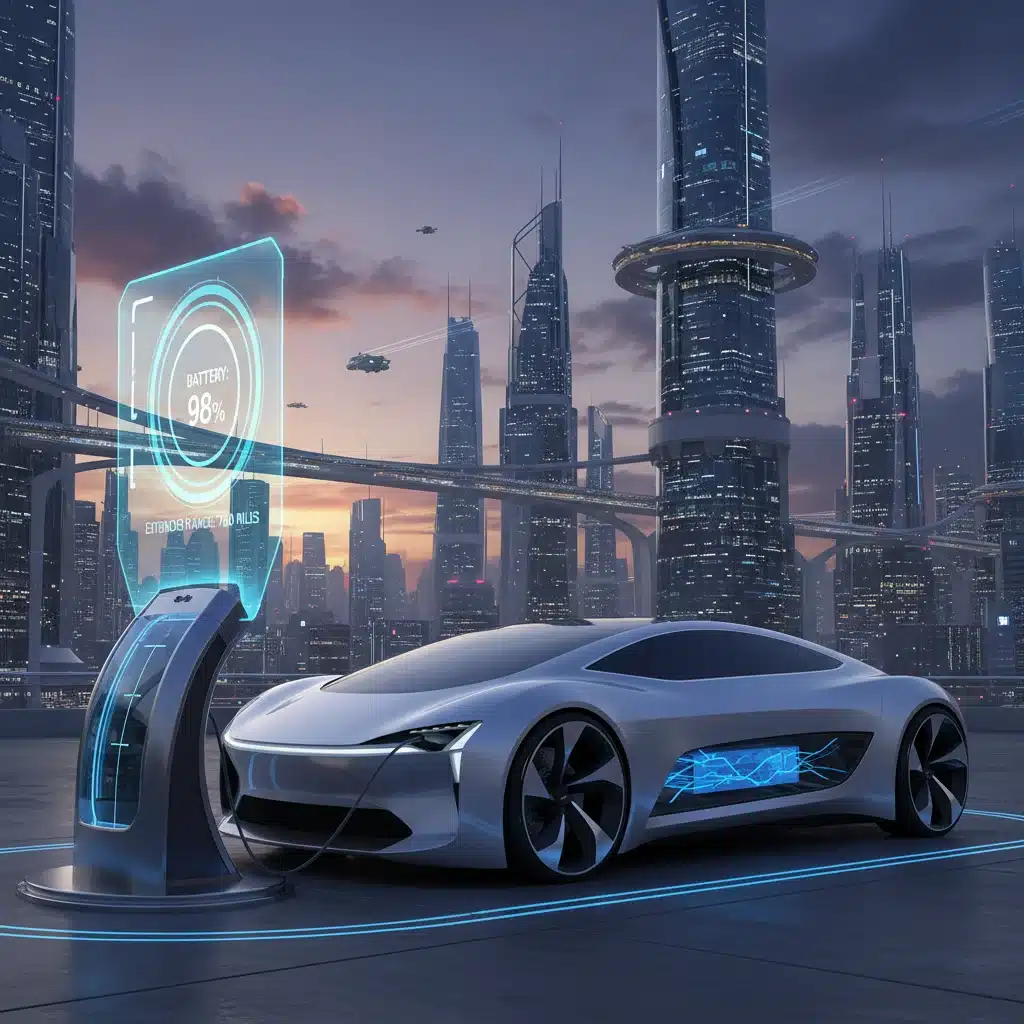
Solid-State Batteries in 2026: When Will They Revolutionize EV Range by 50%?
The automotive industry stands on the precipice of a monumental shift, driven primarily by advancements in electric vehicle (EV) technology. At the heart of this revolution lies the battery, the single most critical component determining an EV’s performance, cost, and ultimately, its widespread adoption. For years, lithium-ion batteries have been the workhorse of the EV world, steadily improving but still facing limitations in energy density, charging speed, and safety. However, a new contender is rapidly gaining traction: Solid-State Battery EV technology. The promise? A potential revolution in EV range, possibly increasing it by a staggering 50% as early as 2026. But is this an optimistic dream or a tangible reality on the horizon?
This article delves deep into the world of solid-state batteries, exploring their technological underpinnings, the challenges they face, and the realistic timeline for their integration into mainstream electric vehicles. We will examine what a 50% increase in EV range would mean for consumers and the industry, and whether 2026 is a truly achievable target for this transformative technology. Understanding the nuances of Solid-State Battery EV development is crucial for anyone interested in the future of transportation.
The Current State of EV Batteries: Lithium-ion’s Limitations
Before we can fully appreciate the potential of Solid-State Battery EV technology, it’s essential to understand the current landscape. Lithium-ion batteries have been instrumental in making EVs a viable alternative to internal combustion engine vehicles. They offer a good balance of energy density, power output, and cycle life. However, they come with inherent limitations:
- Energy Density: While significantly better than older battery chemistries, current lithium-ion batteries still struggle to match the energy density of gasoline, leading to range anxiety for many potential EV buyers.
- Charging Speed: Fast charging is improving, but significantly reducing charging times without degrading battery life remains a challenge.
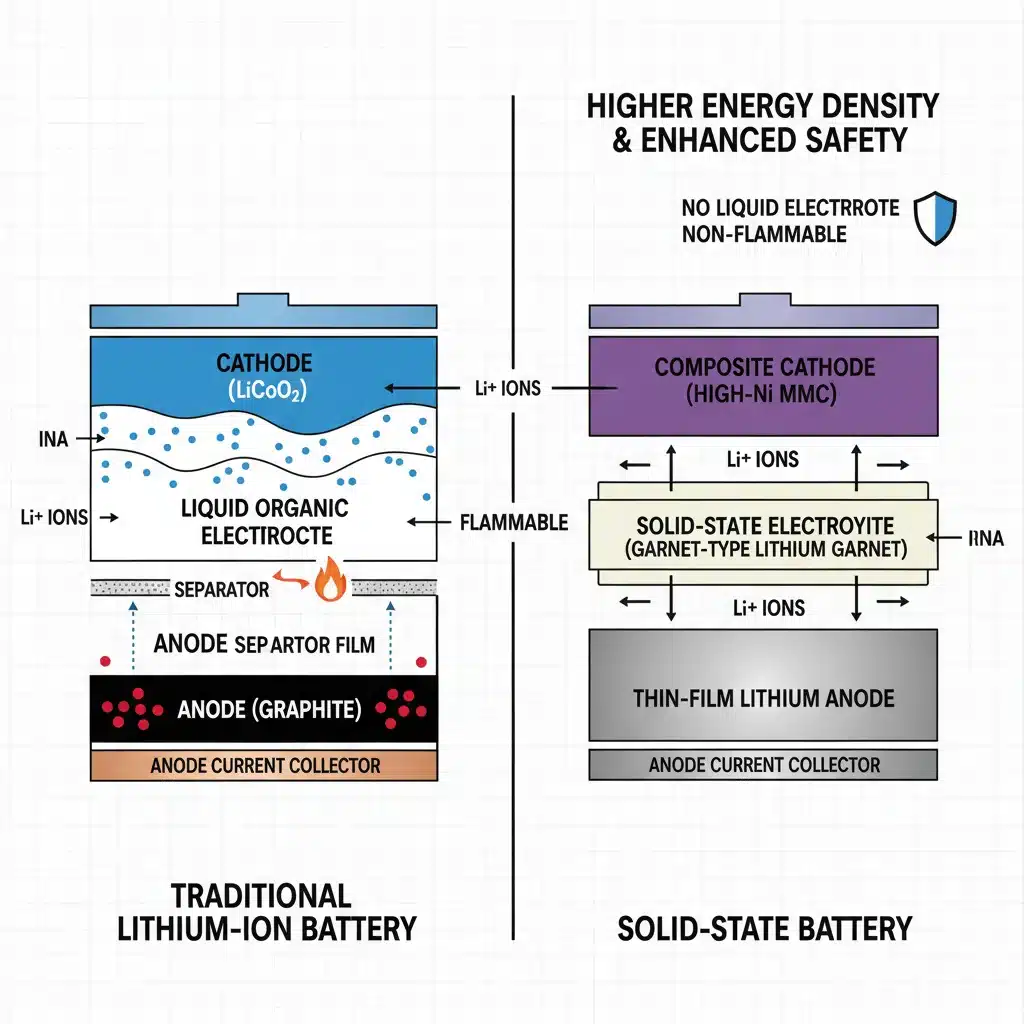
- Safety Concerns: The liquid organic electrolytes used in traditional lithium-ion batteries are flammable, posing a risk of thermal runaway (battery fires) under certain conditions, such as damage or overheating.
- Degradation: Lithium-ion batteries degrade over time and with repeated charge cycles, leading to reduced capacity and range.
- Cost: Although battery costs have decreased dramatically, they still represent a significant portion of an EV’s total price.
These limitations are precisely what Solid-State Battery EV technology aims to overcome, promising a paradigm shift in how electric vehicles perform and are perceived by the public. The quest for higher energy density, faster charging, and enhanced safety has fueled intense research and development in solid-state electrolytes.
What are Solid-State Batteries and How Do They Work?
At its core, a solid-state battery replaces the flammable liquid or gel electrolyte found in traditional lithium-ion batteries with a solid material. This seemingly simple change unlocks a cascade of benefits that could fundamentally alter the capabilities of a Solid-State Battery EV.
Key Components of a Solid-State Battery:
- Solid Electrolyte: This is the defining feature. Instead of a liquid, the electrolyte is a solid material – it could be a ceramic, glass, polymer, or sulfide-based compound. This solid medium conducts lithium ions between the electrodes.
- Anode: Often made of lithium metal, which offers significantly higher energy density compared to the graphite anodes used in conventional lithium-ion batteries.
- Cathode: Similar to lithium-ion batteries, but optimized to work with the solid electrolyte.
The Advantages of a Solid Electrolyte:
- Higher Energy Density: The ability to use a lithium metal anode dramatically increases the amount of energy that can be stored in a given volume or weight. This is the primary driver behind the projected 50% range increase for a Solid-State Battery EV.
- Enhanced Safety: With no flammable liquid electrolyte, the risk of thermal runaway and fires is significantly reduced, making solid-state batteries inherently safer. This is a crucial factor for consumer confidence and regulatory approval.
- Faster Charging: Solid electrolytes can potentially allow for much faster charging rates without the dendrite formation issues that plague liquid electrolytes when pushed to high currents.
- Longer Lifespan: Reduced degradation mechanisms could lead to batteries that last longer, potentially for the entire lifespan of the vehicle.
- Wider Operating Temperature Range: Some solid electrolytes can perform better in extreme hot or cold conditions compared to their liquid counterparts.
The 50% Range Increase by 2026: Is it Realistic?
The prospect of a 50% increase in EV range is incredibly enticing. Imagine an EV that currently gets 300 miles on a charge suddenly achieving 450 miles, or a 400-mile EV pushing past 600 miles. This would effectively eliminate range anxiety for the vast majority of drivers and make EVs competitive with, or even superior to, gasoline cars in terms of convenience. But can Solid-State Battery EV technology deliver this by 2026?
Optimistic Projections and Industry Players:
Several major players in the automotive and battery industries have made bold claims:
- Toyota: A pioneer in battery research, Toyota has been vocal about its solid-state battery development, hinting at production vehicles by the mid-2020s. They have demonstrated prototypes with impressive performance.
- QuantumScape: Backed by Volkswagen, QuantumScape is a leading solid-state battery startup that has showcased promising lab results, including fast charging and high energy density. They aim for commercial production in the coming years.
- Factorial Energy: Partnered with Mercedes-Benz and Stellantis, Factorial is working on a solid-state electrolyte that can operate at room temperature, a significant hurdle for many solid-state chemistries.
- StoreDot: While not purely solid-state, StoreDot is developing ‘extreme fast charging’ (XFC) batteries that aim for a 100-mile charge in 5 minutes, often seen as a stepping stone or complementary technology to solid-state.
These companies are pouring billions into R&D, and their timelines often point to pilot production and limited vehicle integration before 2026, with widespread adoption following shortly after. The 50% range increase is often cited as a direct consequence of the higher energy density achievable with lithium metal anodes and solid electrolytes.
Challenges to Mass Production by 2026:
Despite the optimism, significant hurdles remain before Solid-State Battery EV technology can achieve mass production and realize its full potential by 2026:
- Manufacturing Scalability: Scaling up solid-state battery production from laboratory prototypes to millions of units annually is a monumental task. New manufacturing processes, equipment, and supply chains need to be established.
- Cost: Initial production costs are expected to be higher than current lithium-ion batteries. Reducing these costs to make them competitive for mainstream EVs will require significant innovation and economies of scale.
- Durability and Cycle Life: While promising, ensuring long-term durability and cycle life under real-world driving conditions (temperature fluctuations, vibrations, rapid charging/discharging) is crucial. Interface resistance between the solid electrolyte and electrodes is a common challenge.
- Temperature Performance: Some solid electrolytes require elevated temperatures to achieve optimal ion conductivity, which would necessitate complex thermal management systems in EVs. Developing room-temperature solid electrolytes is a key focus.
- Dendrite Formation: Although less prone than liquid electrolytes, lithium dendrite formation (short circuits caused by lithium spikes) can still be an issue with solid-state batteries, especially with pure lithium metal anodes.
- Infrastructure: While not a direct battery issue, the charging infrastructure will need to evolve to support even faster charging speeds that solid-state batteries could enable.
Given these challenges, a widespread 50% range increase across a significant portion of the EV market by 2026 might be ambitious. However, it’s entirely plausible that certain premium or specialized EV models could begin to feature Solid-State Battery EV technology within that timeframe, showcasing the capabilities and paving the way for broader adoption.
Impact on the EV Market and Beyond
If Solid-State Battery EV technology delivers on its promise, the ripple effects will be profound, extending far beyond just increased range:
For Electric Vehicles:
- Mass Adoption: Eliminating range anxiety and significantly reducing charging times would make EVs a compelling choice for a much wider demographic, accelerating the transition away from fossil fuels.
- New Vehicle Segments: Longer range and lighter batteries could enable electric trucks, SUVs, and even long-haul commercial vehicles to become more practical and efficient.
- Performance Boosts: Lighter batteries also mean better acceleration and handling for performance EVs.
- Lower Total Cost of Ownership: Longer battery lifespan and potentially lower running costs could further reduce the total cost of owning an EV.
For Energy Storage and Other Industries:
The benefits of solid-state technology are not limited to EVs:
- Grid Storage: Safer, more energy-dense, and longer-lasting batteries would be ideal for large-scale grid energy storage, supporting renewable energy integration.
- Consumer Electronics: Thinner, safer, and longer-lasting batteries could revolutionize smartphones, laptops, and wearable devices.
- Aerospace and Drones: Lighter and more powerful batteries are critical for extending the flight times and capabilities of electric aircraft and drones.
The advent of a reliable, mass-produced Solid-State Battery EV would truly be a game-changer for the entire energy landscape.
The Road Ahead: Milestones and Key Developments
Achieving the 2026 target for a significant impact from Solid-State Battery EV technology will depend on hitting several critical milestones:
- Breakthroughs in Electrolyte Materials: Continued research into new solid-electrolyte materials that offer high ion conductivity at room temperature, excellent stability, and easy processability is vital. Sulfide-based and polymer-based electrolytes are currently leading candidates.
- Interface Engineering: Solving the interface resistance and stability issues between the solid electrolyte and electrodes is paramount for long-term performance and cycle life.
- Manufacturing Innovation: Developing cost-effective and scalable manufacturing processes is perhaps the biggest immediate hurdle. This includes techniques for depositing thin, uniform solid electrolyte layers and assembling complex battery cells.
- Supply Chain Development: Establishing robust supply chains for new raw materials and components required for solid-state batteries will be crucial for mass production.
- Standardization and Testing: Developing industry standards for solid-state battery performance, safety, and testing protocols will be necessary for widespread adoption and consumer confidence.
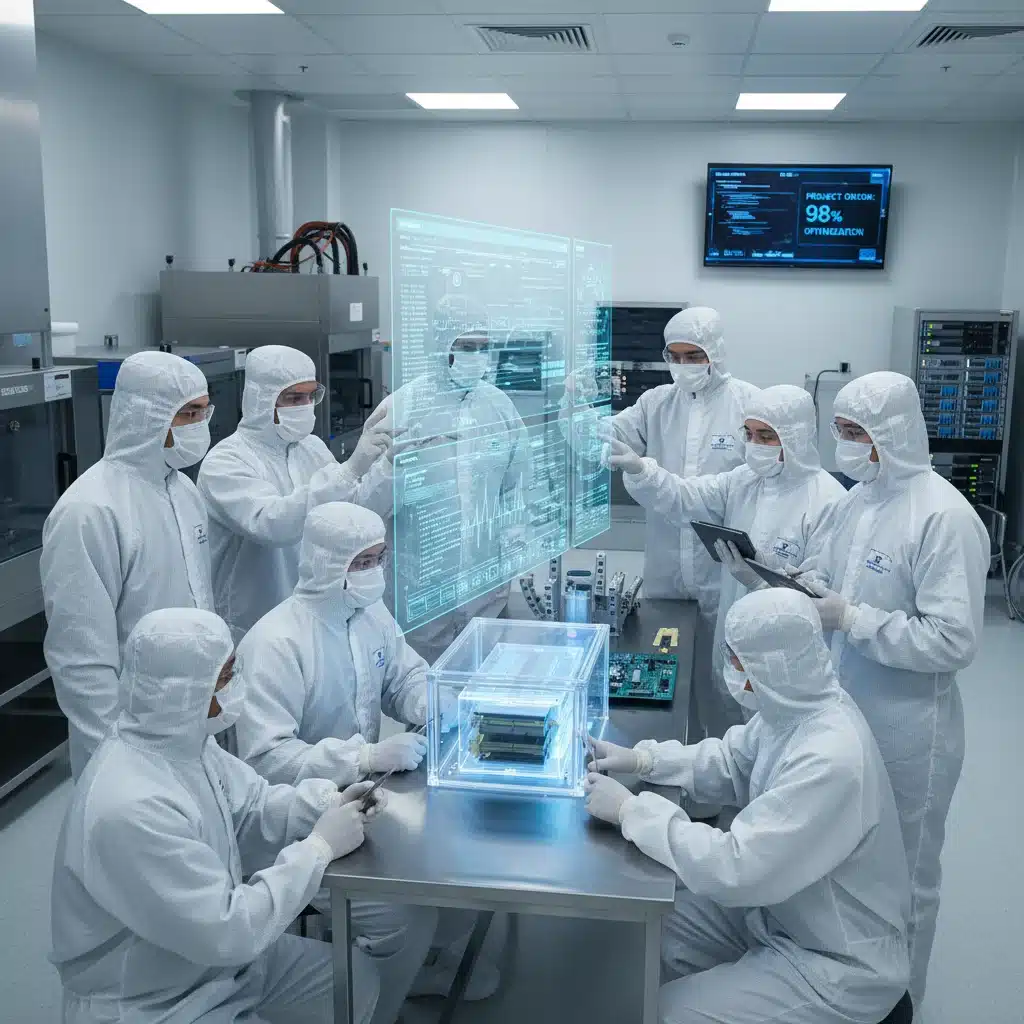
Major automotive manufacturers like Toyota, Volkswagen, and Hyundai, along with battery specialists such as Samsung SDI, LG Energy Solution, and CATL, are all heavily invested in solid-state research. Startups like QuantumScape, Solid Power, and Factorial Energy are also making significant strides, often focusing on proprietary electrolyte chemistries and manufacturing techniques. The collaborative efforts and competitive drive within this ecosystem are accelerating development.
Beyond 2026: The Long-Term Vision
Even if 2026 sees only limited deployment of Solid-State Battery EV technology, the long-term outlook remains incredibly bright. The initial rollout will likely be in high-end vehicles, where the higher cost can be absorbed, and the performance benefits can serve as a strong differentiator. As production scales and technology matures, costs will inevitably come down, making solid-state batteries accessible to a broader market.
By the end of the decade, solid-state batteries could become the dominant battery chemistry for EVs, leading to:
- Ultra-Long Range EVs: Vehicles with ranges exceeding 500-600 miles becoming common.
- Sub-10 Minute Charging: EVs that can recharge to 80% in the time it takes to grab a coffee.
- Enhanced Durability: Batteries designed to last for 15-20 years or more, outliving the vehicle itself.
- Sustainable Manufacturing: Continued efforts to develop more environmentally friendly and resource-efficient manufacturing processes for solid-state batteries.
The implications for urban planning, energy infrastructure, and even personal travel habits are immense. A truly long-range, fast-charging, and safe Solid-State Battery EV could make flying for short to medium distances obsolete for many, and dramatically reduce the carbon footprint of transportation globally.
Conclusion: A Transformative Future, But Patience is Key
The vision of a 50% increase in EV range by 2026, powered by Solid-State Battery EV technology, is an exciting one. While the technological promise is undeniable, the journey from lab to mass production is fraught with engineering and manufacturing challenges. It is highly probable that we will see initial deployments of solid-state batteries in specific EV models by 2026, showcasing their superior performance and safety characteristics. These early adopters will likely be premium vehicles, setting the stage for wider integration.
A full-scale revolution, where a 50% range increase is common across the entire EV market, might take a few more years beyond 2026. However, the trajectory is clear: solid-state batteries are not a question of ‘if,’ but ‘when.’ The relentless pursuit of better, safer, and more efficient energy storage solutions is driving innovation at an unprecedented pace. When solid-state batteries do reach maturity, they will undoubtedly redefine the electric vehicle landscape, making range anxiety a relic of the past and accelerating our transition to a sustainable, electrified future. The race is on, and the finish line, though still distant, is becoming clearer with each passing year, promising a truly revolutionary Solid-State Battery EV experience for all.