US Auto Material Scarcity 2026: Beyond the Chip Crisis
The automotive industry has barely caught its breath from the tumultuous semiconductor chip shortage, a crisis that exposed the fragility of global supply chains and cost manufacturers billions. Yet, as the dust begins to settle on that particular challenge, a new and potentially more profound threat looms on the horizon for US auto production by 2026: the escalating auto material scarcity of critical raw materials, primarily lithium and rare earth elements. These aren’t just minor hiccups; they represent fundamental bottlenecks that could redefine the landscape of vehicle manufacturing for decades to come, particularly as the world accelerates towards electrification.
For too long, the narrative surrounding automotive supply chain vulnerabilities has been dominated by chips. While undeniably critical, semiconductors are just one piece of a much larger, increasingly complex puzzle. The transition to electric vehicles (EVs) and the demand for advanced technologies in conventional cars have placed unprecedented strain on the supply of specific minerals and metals. This article will delve deep into the impending auto material scarcity, focusing on lithium and rare earth elements, analyzing their indispensable roles, the factors driving their scarcity, and the profound implications for US auto production in 2026 and beyond. We will also explore potential strategies and innovations aimed at mitigating these risks and securing a resilient future for the American automotive sector.
The Indispensable Role of Lithium in the EV Revolution
Lithium, often dubbed ‘white gold,’ is the cornerstone of the electric vehicle revolution. Its unique electrochemical properties make it the ideal material for high-energy-density batteries, powering everything from smartphones to electric cars. The global push for decarbonization and the aggressive targets set by governments and automakers for EV adoption have sent demand for lithium skyrocketing. The International Energy Agency (IEA) projects that global lithium demand could increase by over 40 times by 2040 under sustainable development scenarios. This exponential growth in demand is colliding head-on with a supply chain that is struggling to keep pace, leading to a significant auto material scarcity.
Understanding the Lithium Supply Chain Bottlenecks
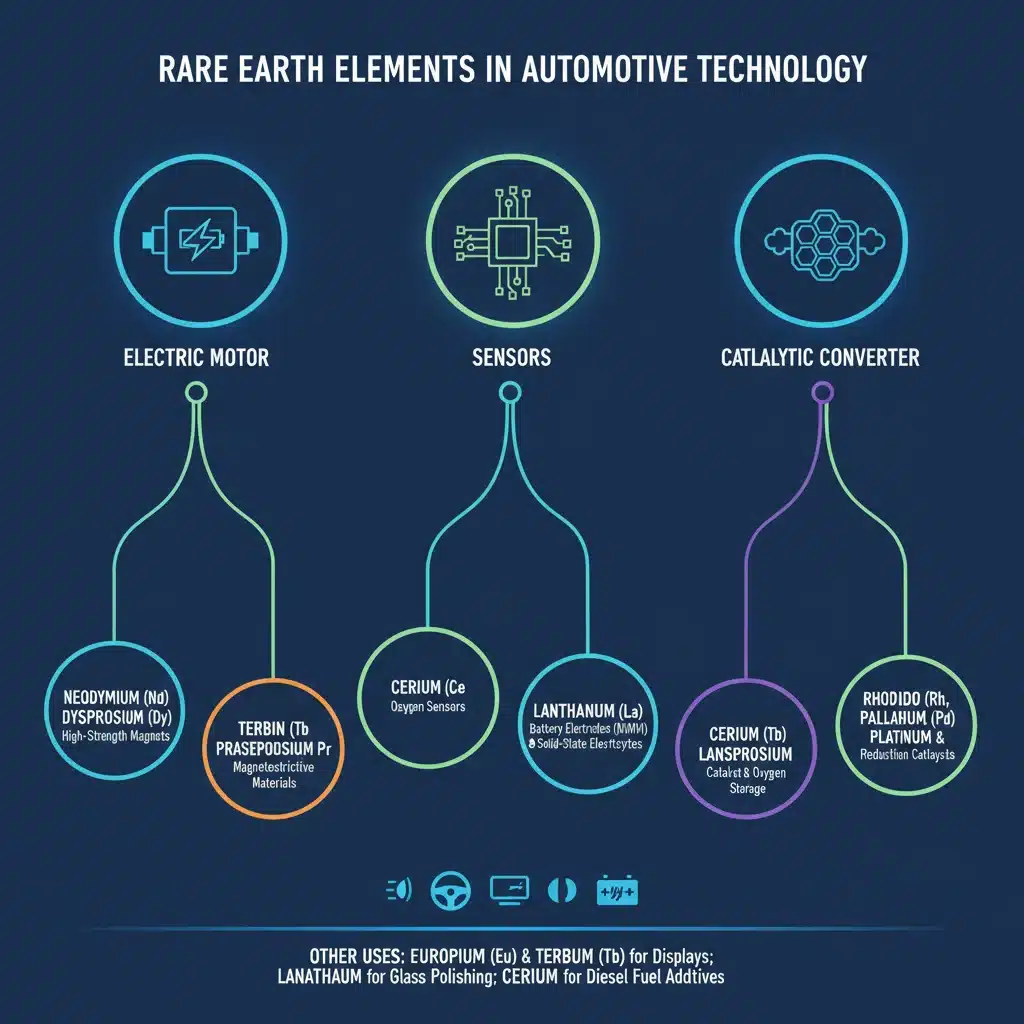
The lithium supply chain is complex and geographically concentrated. While lithium is relatively abundant in the Earth’s crust, extracting, processing, and refining it into battery-grade material is a capital-intensive, time-consuming, and environmentally challenging endeavor. The majority of the world’s lithium reserves are concentrated in a few countries, notably Australia (hard rock mining), Chile and Argentina (brine extraction), and China (both mining and significant processing capacity). This geographical concentration creates inherent vulnerabilities, as geopolitical tensions, labor disputes, environmental regulations, and natural disasters in these regions can have ripple effects across the entire global automotive industry.
Processing capacity is perhaps the most critical bottleneck. China currently dominates the refining of raw lithium into battery-grade chemicals, holding an estimated 60-70% of the world’s processing capacity. This reliance on a single nation for such a crucial processing step creates a significant point of leverage and risk for Western automakers, including those in the US. Establishing new processing facilities is not a quick fix; it requires massive investment, advanced technological know-how, and several years for construction and commissioning. This lag between demand growth and supply expansion is a primary driver of the impending auto material scarcity.
Impact on US Auto Production by 2026
By 2026, the scarcity of lithium is expected to have tangible and potentially severe consequences for US auto production. Automakers, particularly those heavily invested in EV manufacturing, could face:
- Production Delays and Quotas: Limited access to battery-grade lithium will translate directly into fewer batteries, thus fewer EVs that can be produced. This could force manufacturers to scale back production targets or even implement quotas, impacting sales volumes and market share.
- Increased Costs: The basic economic principle of supply and demand dictates that scarcity drives up prices. Higher lithium prices will inevitably increase the cost of EV batteries, which are already the most expensive component of an electric vehicle. These increased costs will either be absorbed by manufacturers, eroding profit margins, or passed on to consumers, potentially slowing EV adoption.
- Reduced Competitiveness: US automakers that struggle to secure sufficient lithium supplies might fall behind international competitors who have established more robust supply agreements or diversified their sourcing.
- Innovation Challenges: While research into alternative battery chemistries (e.g., solid-state, sodium-ion) is ongoing, these technologies are not yet ready for mass production and widespread adoption by 2026. Therefore, lithium-ion batteries will remain dominant, exacerbating the auto material scarcity.
Rare Earth Elements: Small in Quantity, Massive in Impact
Beyond lithium, another critical group of materials facing significant auto material scarcity comprises the rare earth elements (REEs). Despite their name, REEs are not particularly rare in the Earth’s crust. However, they are rarely found in economically viable concentrations, and their extraction and processing are complex, environmentally intensive, and often involve specialized metallurgical techniques. REEs are vital for a wide array of advanced technologies, especially in the automotive sector.
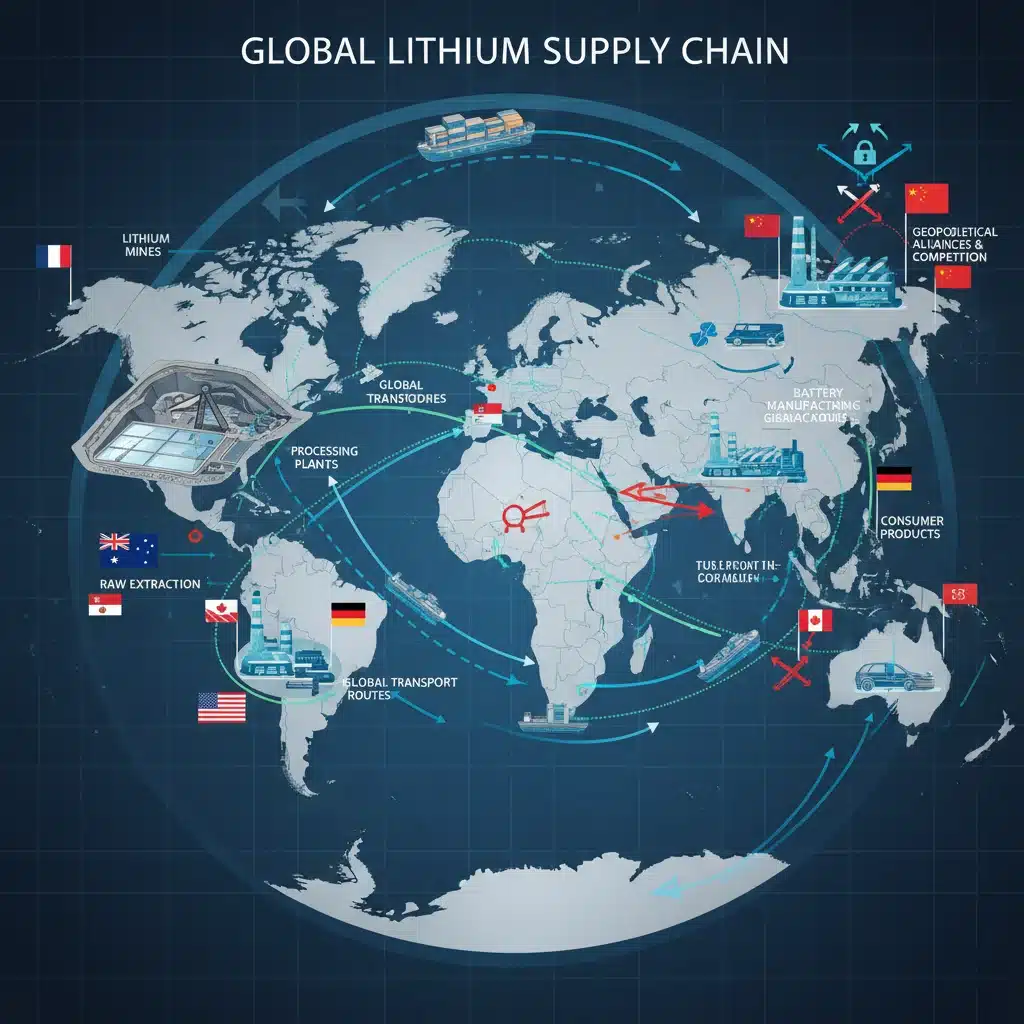
Where Rare Earths are Used in Automobiles
In modern vehicles, REEs are indispensable for achieving performance, efficiency, and safety targets. Their applications include:
- Electric Motors: Neodymium and praseodymium are crucial components of permanent magnets used in the most efficient electric motors for EVs and hybrid vehicles. Without these, motors would be less powerful, less efficient, and heavier.
- Catalytic Converters: Cerium and lanthanum are used in catalytic converters in gasoline and diesel engines to reduce harmful emissions.
- Sensors and Electronics: Various REEs are found in vehicle sensors, displays, and other electronic components, contributing to advanced driver-assistance systems (ADAS) and in-car infotainment.
- Lighting: Europium and yttrium are used in phosphors for LED lighting, enhancing efficiency and color quality.
The increasing electrification of vehicles means a higher demand for efficient electric motors, directly translating to a greater need for neodymium and praseodymium. As with lithium, the growth in demand is outpacing the reliable supply, contributing to the looming auto material scarcity.
The Geopolitical Dimension of Rare Earths
The rare earth supply chain is even more concentrated than that of lithium, with China dominating both mining and, crucially, processing. China accounts for approximately 60% of global rare earth mining and an estimated 85-90% of global processing capacity. This near-monopoly gives China significant geopolitical leverage and poses a substantial risk to any nation, including the US, that relies heavily on these materials for its high-tech and automotive industries.
Past instances, such as China’s temporary restriction of rare earth exports in 2010, demonstrated the potential for supply weaponization. This concentration of power makes the rare earth auto material scarcity not just an economic challenge but also a national security concern. Diversifying sources and developing domestic processing capabilities are paramount for the US to mitigate this risk by 2026.
Consequences for US Auto Production
The scarcity of rare earth elements can lead to similar, if not more severe, consequences than lithium shortages:
- Compromised Performance and Efficiency: Without sufficient access to specific REEs, automakers might be forced to design less efficient electric motors or catalytic converters, hindering the performance of EVs and the environmental compliance of conventional vehicles.
- Production Bottlenecks: Even small quantities of REEs are critical. A shortage in one specific rare earth could halt the production of entire vehicle lines if alternative designs are not readily available.
- Heightened Costs: The concentrated market and increasing demand will drive up REE prices, impacting manufacturing costs across the board.
- Strategic Vulnerability: The US auto industry’s reliance on a single dominant supplier for REEs creates a strategic vulnerability that could be exploited during times of geopolitical tension, exacerbating the auto material scarcity.
Broader Implications for the US Automotive Industry by 2026
The combined impact of lithium and rare earth auto material scarcity extends far beyond just production numbers. By 2026, these shortages could:
- Slow EV Adoption: Higher prices and limited availability of EVs due to material shortages could deter consumers, making it harder to meet climate targets and transition away from fossil fuels.
- Impact R&D and Innovation: Companies might divert resources from developing new technologies to securing existing material supplies, potentially stifling innovation.
- Job Losses: Reduced production volumes could lead to layoffs in manufacturing plants and related industries, impacting regional economies.
- National Security Concerns: The reliance on foreign sources for critical materials has national security implications, particularly in the context of defense and advanced technology development.
- Increased Geopolitical Competition: Nations will increasingly compete for access to these vital resources, leading to new trade dynamics and potential conflicts.
Strategies for Mitigating Auto Material Scarcity
Addressing the impending auto material scarcity requires a multi-faceted and long-term strategic approach involving governments, industry players, and research institutions. No single solution will suffice, but a combination of initiatives can help build resilience by 2026 and beyond.
1. Diversification of Supply Chains
Reducing reliance on a few concentrated sources is paramount. This involves:
- Exploring New Mining Opportunities: Investing in and developing new lithium and rare earth mining projects in politically stable regions, including within the US and allied countries. While environmentally challenging, responsible mining practices are crucial.
- Establishing Domestic Processing Capacity: This is perhaps the most critical step. The US needs to invest heavily in building out its own processing and refining capabilities for both lithium and rare earth elements to reduce dependence on foreign adversaries.
- Strategic Partnerships and Alliances: Forming robust alliances with countries that have significant reserves or processing capabilities, ensuring stable and diversified supply agreements.
2. Recycling and Circular Economy Initiatives
As the number of EVs on the road grows, so does the potential for recycling valuable materials from end-of-life batteries and components. Developing efficient and economically viable recycling technologies for lithium-ion batteries and rare earth magnets is crucial. This not only reduces the demand for newly mined materials but also mitigates environmental impact. By 2026, robust recycling infrastructure needs to be well underway, moving towards a circular economy model for critical materials.
3. Material Substitution and Design Innovation
Research and development into alternative materials and designs that reduce or eliminate the need for scarce elements is vital. For example:
- Battery Chemistries: Exploring and commercializing battery chemistries that use less lithium or no nickel/cobalt (e.g., lithium iron phosphate – LFP, sodium-ion batteries).
- Magnet Technologies: Developing non-rare-earth magnet alternatives for electric motors, or designing motors that use fewer rare earth magnets.
- Lightweighting: Developing advanced materials that reduce vehicle weight, thereby decreasing overall energy consumption and potentially the size of the battery required.
4. Government Policies and Incentives
Governments have a critical role to play in addressing auto material scarcity. This includes:
- Funding R&D: Investing in research for extraction, processing, recycling, and material substitution technologies.
- Streamlining Permitting: Expediting the permitting process for new domestic mining and processing facilities while ensuring stringent environmental standards.
- Tax Incentives and Subsidies: Providing incentives for companies to invest in domestic supply chain infrastructure and advanced manufacturing.
- Strategic Stockpiling: Considering the strategic stockpiling of critical materials to buffer against short-term supply disruptions.
5. Enhanced Data and Transparency
A better understanding of global material flows, reserves, and consumption patterns is essential. Improved data collection and transparency across the supply chain can help identify potential bottlenecks earlier and inform strategic decisions.
The Road Ahead for US Auto Production
The year 2026 is rapidly approaching, and the challenges posed by auto material scarcity are not speculative; they are imminent. The US automotive industry, still reeling from the chip crisis, must now pivot its focus to securing the fundamental building blocks of future mobility. While the transition to EVs promises a cleaner future, it simultaneously introduces new dependencies on a different set of critical raw materials.
The good news is that the lessons learned from the semiconductor shortage can be applied here. Proactive investment in domestic capabilities, diversification of international partnerships, robust recycling programs, and continuous innovation in material science are not luxuries but necessities. The stakes are incredibly high: the competitiveness of US automakers, the pace of EV adoption, and ultimately, the nation’s energy independence and economic security depend on effectively navigating these material challenges.
Failure to address the impending auto material scarcity could lead to a scenario where US auto production is perpetually constrained, innovation is stifled, and the ambitious climate goals remain out of reach. Success, however, offers the opportunity to build a more resilient, sustainable, and technologically advanced automotive industry that can lead the world into the era of electric and autonomous vehicles. The time for decisive action is now.
Conclusion: Building Resilience in a Material-Constrained World
The narrative of the automotive industry is shifting from one dominated by internal combustion engines and traditional supply chains to a future powered by electrification and advanced materials. The semiconductor crisis served as a stark warning, and the looming auto material scarcity of lithium and rare earth elements for US auto production by 2026 is another critical wake-up call. These materials are not merely commodities; they are strategic assets that underpin the future of mobility and technological advancement.
Addressing these scarcities requires a national effort, combining the ingenuity of American industry with strategic government support. By investing in domestic mining and processing, fostering a robust recycling ecosystem, championing material substitution, and forging strong international alliances, the US can build a more secure and resilient automotive supply chain. The path forward is challenging, but the opportunity to secure a leading position in the global automotive landscape, while also achieving critical environmental objectives, makes this endeavor not just necessary, but imperative.
The future of US auto production hinges on its ability to adapt and innovate in the face of these material constraints. As 2026 approaches, the decisions made today regarding critical material supply will determine the shape and success of the American automotive industry for decades to come. It’s time to look beyond the chips and focus on the fundamental materials that will drive the next generation of vehicles.