EV Subsidies 2026: Beyond Tax Credits in the US
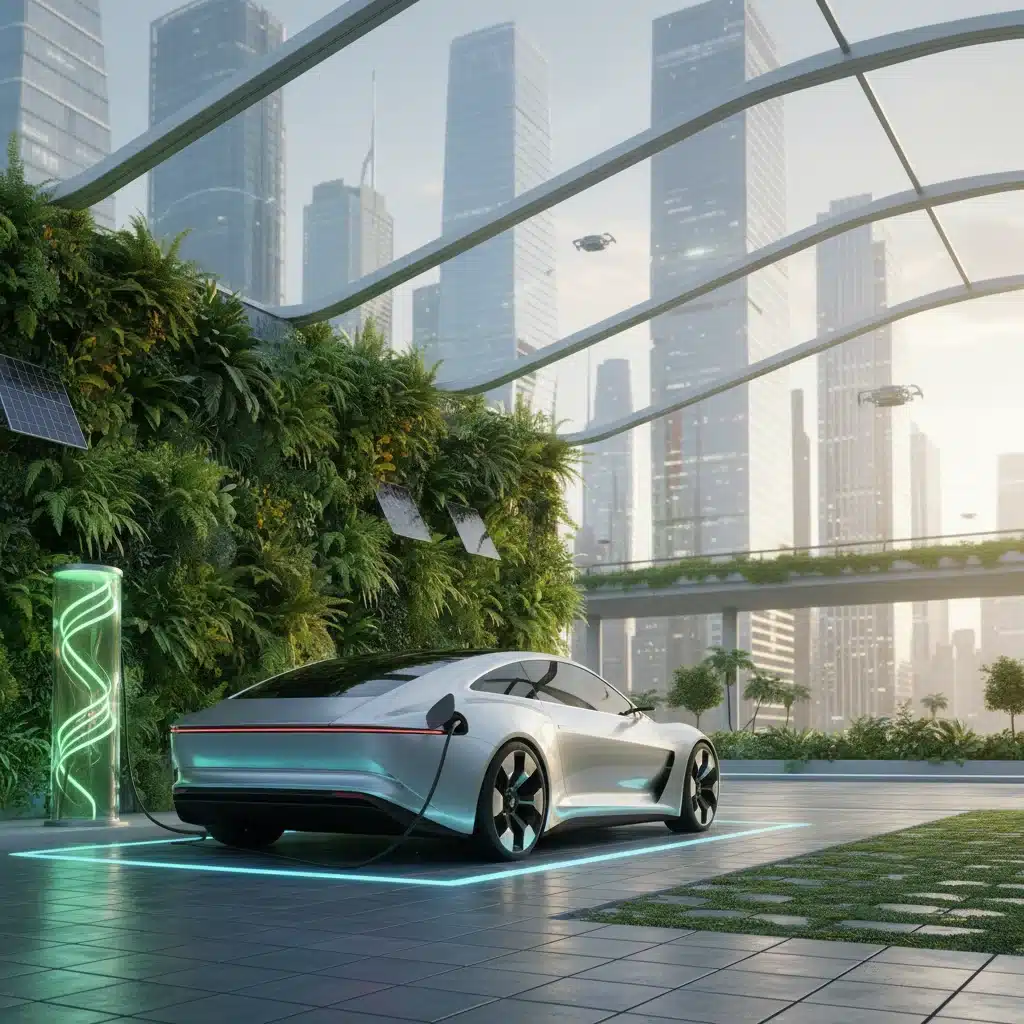
The automotive industry is undergoing a monumental transformation, with electric vehicles (EVs) at the forefront of this revolution. As we look towards 2026, the landscape of EV subsidies in the United States is evolving rapidly, moving beyond the well-known federal tax credits to a more diverse and comprehensive array of incentives. This shift is driven by a collective desire to accelerate EV adoption, address critical infrastructure needs, and foster a sustainable transportation ecosystem. Understanding these multifaceted incentives is crucial for consumers, businesses, and policymakers alike as they navigate the path to an electrified future.
While federal tax credits have played a significant role in stimulating initial EV sales, their efficacy and scope are subject to change. The focus is increasingly broadening to encompass a holistic approach that supports not just the purchase of EVs, but also the development of robust charging infrastructure, the electrification of commercial and public fleets, and the promotion of domestic manufacturing. This article will delve deep into the projected landscape of EV Subsidies 2026, exploring the innovative programs and policies that are set to shape the next phase of electric mobility in the US.
The transition to EVs is not merely about environmental benefits; it’s also about energy independence, economic growth, and technological advancement. Governments at all levels are recognizing the strategic importance of this transition, leading to a proliferation of programs designed to smooth the path for widespread EV adoption. From direct rebates and grants to innovative financing solutions and infrastructure support, the incentives are becoming more targeted and sophisticated. This comprehensive overview will provide a clear picture of what to expect in 2026 and how these incentives will influence consumer choices and industry trajectories.
The Evolution of Federal EV Incentives Beyond Tax Credits
Historically, federal tax credits, such as the Section 30D Clean Vehicle Credit, have been the cornerstone of federal EV incentives. These credits offered significant financial relief for eligible new and used EV purchases. However, as the market matures and domestic manufacturing capabilities expand, the criteria for these credits are becoming more stringent, particularly regarding battery component sourcing and critical mineral requirements. This evolution signals a strategic shift towards strengthening the domestic EV supply chain and reducing reliance on foreign sources.
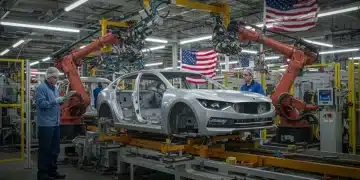
By 2026, while tax credits may still exist, their structure and eligibility might be significantly altered. We anticipate a greater emphasis on incentives that foster domestic production, from battery manufacturing to vehicle assembly. This strategic move aims to create jobs, bolster the US economy, and enhance national security. The federal government is likely to continue investing in research and development for advanced battery technologies and charging solutions, further solidifying the US position in the global EV market.
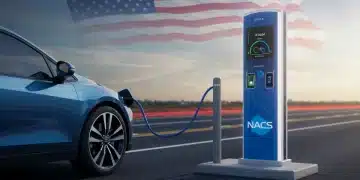
Beyond direct consumer tax credits, federal initiatives are increasingly focusing on infrastructure development. Programs like the National Electric Vehicle Infrastructure (NEVI) Formula Program, established under the Bipartisan Infrastructure Law, are allocating substantial funds to states for building a national network of EV chargers. This includes not just Level 2 chargers but also high-speed DC fast chargers along major transportation corridors. The goal is to alleviate range anxiety and ensure that EV owners have convenient and reliable access to charging facilities across the country. These infrastructure grants are a critical component of EV Subsidies 2026, as they address one of the primary barriers to widespread EV adoption.
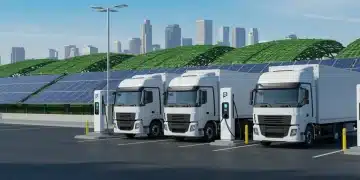
Furthermore, federal agencies are exploring incentives for fleet electrification. The US Postal Service, for example, is making significant investments in electric delivery vehicles. Other federal agencies and even private sector fleets are being encouraged through various programs to transition their vehicles to electric. This not only reduces emissions but also offers long-term operational cost savings. We can expect to see more targeted funding and technical assistance programs aimed at accelerating fleet electrification across various sectors by 2026.
Another area of federal focus is on equity and accessibility. Efforts are being made to ensure that EV benefits and infrastructure are available to all communities, including underserved and rural areas. This might involve special grants for charging infrastructure in low-income neighborhoods or programs designed to make EVs more affordable for a wider demographic. The federal government’s role in EV Subsidies 2026 will likely be characterized by a multi-pronged approach that combines consumer incentives with strategic investments in infrastructure, manufacturing, and equitable access.
State-Specific EV Incentives and Programs
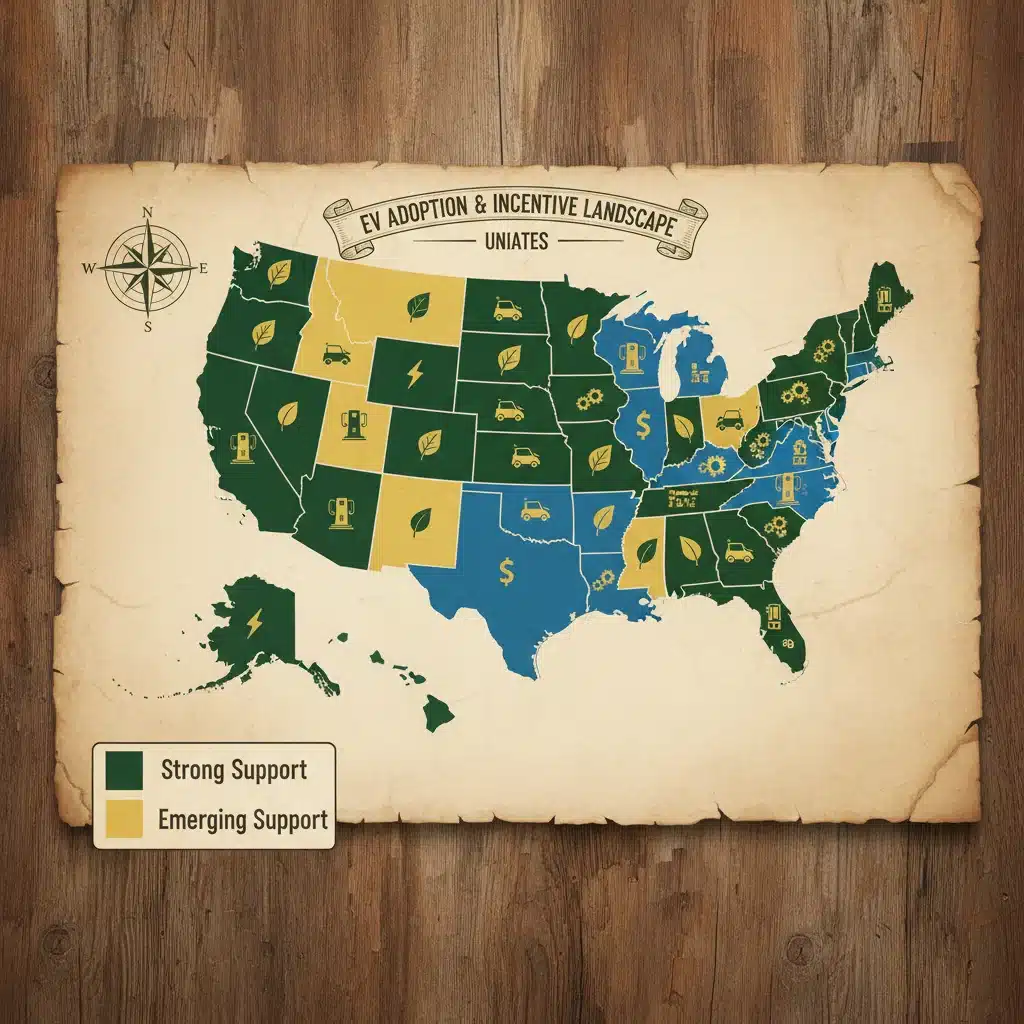
While federal initiatives set a broad framework, state-specific EV programs are often more dynamic and tailored to local needs and priorities. By 2026, we anticipate an even greater divergence in state incentives, with some states leading the charge with aggressive policies and others gradually catching up. These state-level programs are crucial for filling gaps left by federal policies and for addressing unique regional challenges.
Many states offer their own rebate programs for the purchase or lease of new or used EVs. These rebates can often be combined with federal tax credits, significantly reducing the upfront cost for consumers. For example, states like California, New York, and Colorado have robust rebate programs that are regularly updated to reflect market conditions and policy goals. These programs are often administered by state energy commissions or environmental agencies and are a key part of the EV Subsidies 2026 landscape.
Beyond direct purchase incentives, states are also implementing various non-monetary benefits. These can include HOV lane access for single-occupant EVs, reduced vehicle registration fees, and preferential parking. Such perks, while not directly financial, contribute to the overall attractiveness and convenience of owning an EV, providing a compelling reason for consumers to switch. These non-monetary incentives are often overlooked but play a vital role in encouraging EV adoption.
Charging infrastructure development is another major focus for state governments. Many states offer grants and rebates for the installation of home chargers, workplace chargers, and public charging stations. These programs are essential for building out the necessary infrastructure to support a growing EV fleet. Some states are also implementing innovative utility-led programs that offer incentives for off-peak charging or provide managed charging solutions to optimize grid performance. These utility programs are becoming increasingly sophisticated and are a critical component of state-level EV Subsidies 2026.
Furthermore, states are increasingly focusing on fleet electrification for both public and private entities. Grants are available for municipalities to purchase electric buses, school buses, and other public service vehicles. Similarly, commercial businesses can often find state-level incentives for electrifying their delivery fleets. These programs not only reduce emissions but also demonstrate the viability and benefits of EVs in a wide range of applications, inspiring broader adoption.
The regulatory environment also plays a significant role. States with zero-emission vehicle (ZEV) mandates require automakers to sell a certain percentage of EVs, which indirectly drives innovation and market availability. These mandates, combined with robust incentive programs, create a powerful ecosystem for EV growth. Understanding the specific policies and programs in various states will be crucial for anyone looking to capitalize on EV Subsidies 2026.
Charging Infrastructure Grants and Support
The availability of convenient and reliable charging infrastructure is paramount to accelerating EV adoption. Recognizing this, both federal and state governments are pouring significant resources into expanding the charging network. By 2026, we expect to see a much more robust and interconnected charging ecosystem across the United States.
Federal programs, such as those under the Bipartisan Infrastructure Law, are providing billions of dollars to states for the deployment of EV charging stations along designated alternative fuel corridors. These funds often come with specific requirements regarding charger type, uptime reliability, and payment interoperability, ensuring a high-quality user experience. The goal is to create a seamless charging experience for long-distance travel, effectively mitigating range anxiety for EV owners. These federal grants form a foundational layer of EV Subsidies 2026 related to infrastructure.
State-level initiatives complement these federal efforts by focusing on urban charging, workplace charging, and multi-unit dwelling (MUD) charging. Many states offer rebates or grants for businesses and property owners to install EV chargers. For example, programs might cover a percentage of the installation cost for Level 2 chargers at workplaces, encouraging employees to switch to EVs. Similarly, incentives for MUDs are critical for residents who do not have access to single-family home charging, addressing a significant equity challenge.
Utilities are also playing an increasingly important role in charging infrastructure development. Many electric utilities offer their own rebate programs for residential and commercial charger installations, sometimes even providing incentives for smart charging technologies that help manage grid load. These utility programs often include make-ready rebates, which cover the costs of electrical upgrades necessary to install chargers, making it easier for businesses and property owners to participate. The integration of utility programs with government incentives will be a defining feature of EV Subsidies 2026.
Beyond direct financial support, there’s a growing emphasis on innovative charging solutions. This includes exploring vehicle-to-grid (V2G) technologies, which allow EVs to feed power back into the grid during peak demand, and inductive charging, which offers wireless convenience. While still in early stages for widespread adoption, pilot programs and research grants are paving the way for these advanced technologies to become more commonplace by 2026. The goal is not just to install more chargers, but to install smarter, more efficient, and more integrated charging solutions.
The focus on public charging infrastructure also extends to ensuring accessibility for all vehicle types and users. This includes mandates for ADA-compliant charging stations and efforts to standardize payment systems, making public charging as easy and straightforward as refueling a gasoline car. The comprehensive approach to charging infrastructure support highlights its critical role in the overall success of the EV transition and its prominence within EV Subsidies 2026.
Fleet Electrification Incentives and Programs
Electrifying commercial and public fleets represents a massive opportunity to reduce emissions, improve air quality, and achieve significant operational cost savings. By 2026, we anticipate a surge in incentives specifically designed to accelerate fleet electrification across various sectors, from delivery services to public transportation.
Federal programs are already providing substantial grants for the purchase of electric school buses and transit buses. These grants often cover a significant portion of the vehicle cost, making it financially viable for school districts and transit agencies to make the switch. The environmental and health benefits, particularly for children, are a major driver behind these initiatives. These targeted grants are a powerful component of EV Subsidies 2026 for public sector fleets.
For commercial fleets, state and local governments are offering a mix of rebates, grants, and financing options. These incentives often target specific vehicle types, such as electric delivery vans, trucks, and even forklifts. Some programs may also provide funding for the necessary charging infrastructure required to support an electrified fleet, recognizing that vehicle purchase is only one part of the equation. The economic rationale for fleet electrification is strong, with lower fuel and maintenance costs over the vehicle’s lifespan, and incentives help overcome the higher upfront purchase price.
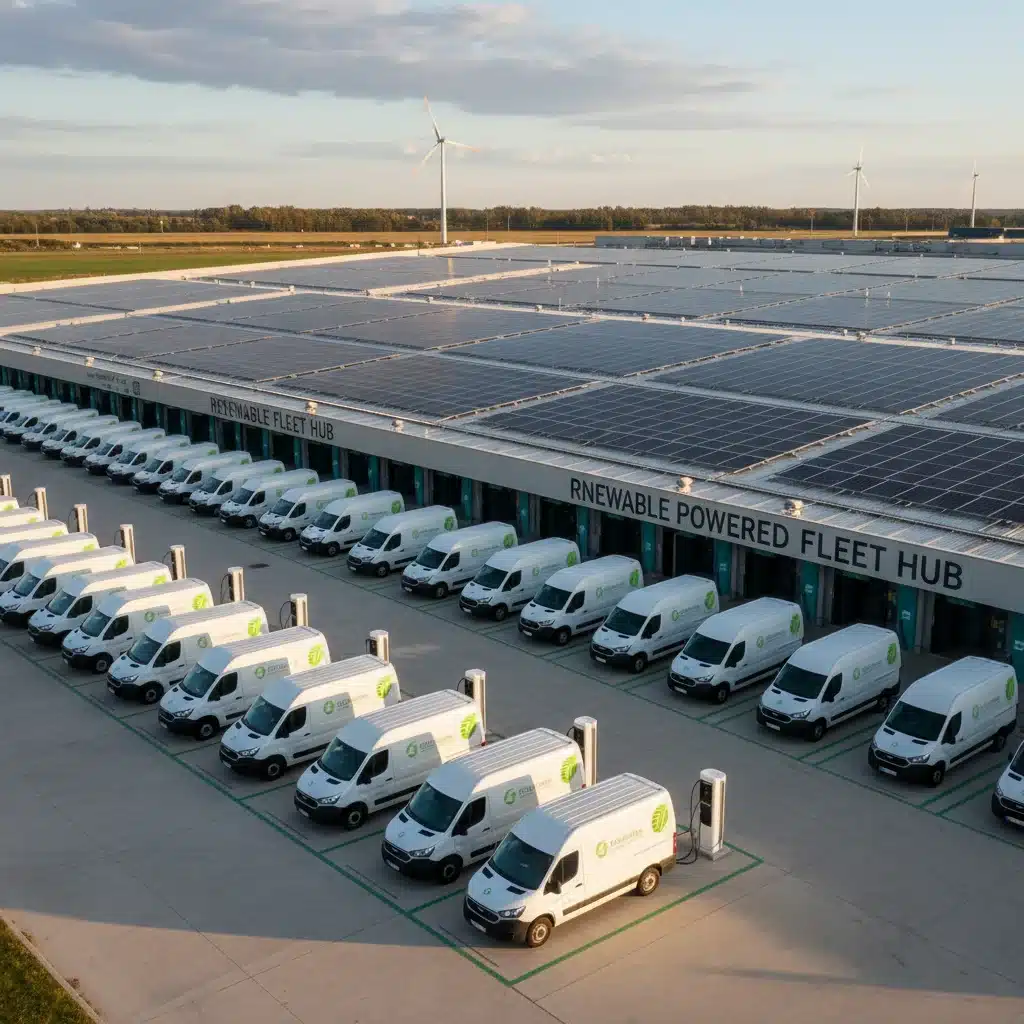
Beyond direct financial incentives, some programs offer technical assistance and planning support for businesses looking to electrify their fleets. This can include guidance on vehicle selection, charging infrastructure design, and route optimization. Such holistic support is invaluable for companies that may lack in-house expertise in EV deployment. The availability of such comprehensive support will be a key factor in the success of fleet electrification within EV Subsidies 2026.
Innovative financing models are also emerging to facilitate fleet electrification. This includes lease-to-own options, power purchase agreements for charging infrastructure, and even vehicle-as-a-service models. These creative financial solutions help businesses manage the capital expenditure associated with transitioning to electric fleets, making the switch more accessible to a wider range of companies, including small and medium-sized enterprises.
The increasing focus on environmental, social, and governance (ESG) goals also motivates companies to electrify their fleets. Government incentives act as a catalyst, helping businesses meet their sustainability targets while simultaneously realizing economic benefits. By 2026, fleet electrification is expected to be a major driver of EV sales, supported by a robust ecosystem of government and private sector incentives and services, further cementing the importance of EV Subsidies 2026 in this sector.
Local and Municipal Incentives
While federal and state programs often receive the most attention, local and municipal incentives play a crucial role in fostering EV adoption at the community level. These programs are highly localized, reflecting the specific needs and priorities of individual cities and counties. By 2026, we anticipate an increase in the number and diversity of these local incentives, creating a patchwork of support across the nation.
Many cities offer their own rebate programs for EV purchases or leases, often targeting residents or businesses within their jurisdiction. These local rebates can be stacked with state and federal incentives, further reducing the cost of an EV. For example, some cities might offer an additional rebate for low-income residents to ensure equitable access to clean transportation. These localized financial boosts are a significant aspect of EV Subsidies 2026.
Parking incentives are another common form of local support. This can include free parking for EVs in municipal lots, discounted parking passes, or dedicated EV-only parking spaces with charging capabilities. Such perks enhance the convenience of EV ownership, particularly in dense urban environments where parking can be a challenge. These seemingly small incentives can have a considerable impact on consumer decision-making.
Local governments are also actively involved in expanding public charging infrastructure within their communities. This includes installing chargers in public parking garages, at community centers, and along commercial streets. Many cities are leveraging federal and state grants to fund these installations, but they also often contribute their own funds or offer streamlined permitting processes to encourage private sector charging deployment. The role of local governments in building out community-level charging will be vital for EV Subsidies 2026.
Furthermore, some municipalities are implementing building codes that require new construction (both residential and commercial) to be EV-ready, meaning they must include the necessary electrical infrastructure for future charger installation. This forward-thinking approach ensures that as EV adoption grows, the built environment is prepared to support it, reducing future costs and complexities. These regulatory incentives, while indirect, are powerful drivers of EV readiness.
Local governments are also leading by example through the electrification of their own municipal fleets. This includes police cars, sanitation trucks, and administrative vehicles. By demonstrating the reliability and efficiency of EVs in demanding applications, municipalities can inspire private businesses and residents to follow suit. The success of these local initiatives contributes significantly to the overall narrative of EV Subsidies 2026, showcasing how incentives can be tailored to specific community contexts.
Emerging Trends and Future Outlook for EV Subsidies in 2026
Looking ahead to 2026 and beyond, several emerging trends are likely to shape the future of EV subsidies. The focus will continue to shift towards a more integrated and holistic approach, addressing not just vehicle purchase but the entire EV ecosystem.
One significant trend is the increasing emphasis on performance-based incentives. Instead of simply subsidizing the purchase, some programs may tie incentives to metrics like vehicle efficiency, battery longevity, or the use of sustainably sourced materials. This encourages manufacturers to innovate and produce even greener, more durable EVs. Such performance-based criteria will likely become more prevalent in EV Subsidies 2026.
The role of renewable energy integration with EV charging is also gaining prominence. Incentives may increasingly favor charging stations powered by solar or wind energy, or those that incorporate battery storage solutions. This ensures that the environmental benefits of EVs are maximized by drawing power from clean sources, further decarbonizing the transportation sector. Programs promoting smart grid integration and vehicle-to-grid (V2G) capabilities will also likely see increased support.
Moreover, we can expect a greater focus on used EV incentives. As the new EV market matures, a robust used EV market is essential for making electric transportation accessible to a broader range of consumers. Programs offering rebates or financing for used EVs, particularly for lower-income households, will play a critical role in achieving widespread adoption and equity goals. This will be a key area of expansion for EV Subsidies 2026.
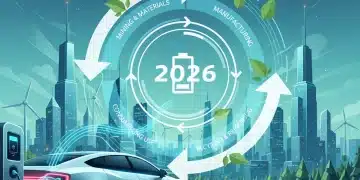
The global geopolitical landscape and supply chain resilience will also influence incentive structures. Policies will likely continue to prioritize domestic manufacturing and the secure sourcing of critical minerals to reduce vulnerabilities and promote economic self-sufficiency. This could lead to more stringent eligibility requirements for incentives, favoring EVs and batteries produced in North America or from allied nations.
Finally, public awareness campaigns and educational programs will complement financial incentives. Governments and non-profits will likely invest more in educating consumers about the benefits of EVs, debunking myths, and providing practical information on charging and maintenance. These ‘soft’ incentives are crucial for building consumer confidence and accelerating the transition. The combination of financial inducements, infrastructure development, and public education will define the comprehensive approach to EV Subsidies 2026 and beyond.
Conclusion
The journey towards widespread electric vehicle adoption in the United States is complex and multifaceted. As we approach 2026, the landscape of EV subsidies and incentives is clearly moving beyond simple tax credits to embrace a more sophisticated and integrated approach. This involves a dynamic interplay of federal, state, and local programs, all working in concert to support vehicle purchases, expand charging infrastructure, accelerate fleet electrification, and promote equitable access.
For consumers, this means a wider array of financial assistance and non-monetary benefits that can significantly reduce the cost and enhance the convenience of EV ownership. For businesses, it translates into opportunities to electrify fleets, reduce operational costs, and meet sustainability targets with the help of targeted grants and technical support. For policymakers, it signifies a commitment to fostering a cleaner, more sustainable, and economically resilient transportation sector.
The emphasis on domestic manufacturing, supply chain resilience, and renewable energy integration underscores a strategic vision for the future. While challenges remain, the evolving framework of EV Subsidies 2026 demonstrates a strong commitment to overcoming these hurdles and paving the way for a fully electrified future. Staying informed about these diverse and changing incentives will be key for anyone looking to participate in, or benefit from, the ongoing electric vehicle revolution in the United States.