Next-Generation EV Motor Technology: US Innovations Driving Efficiency in 2026 Models
Next-Generation EV Motor Technology: US Innovations Driving Efficiency in 2026 Models
The automotive landscape is undergoing a monumental shift, driven by the relentless pursuit of sustainability and technological advancement. At the heart of this transformation lies electric vehicle (EV) motor technology, a field where innovation is not just desirable but essential. The United States, with its robust research and development ecosystem and a burgeoning EV market, is at the forefront of this revolution. As we look towards 2026 models, the advancements in EV Motor Technology US are poised to redefine efficiency, performance, and the overall driving experience. This comprehensive article delves into the cutting-edge developments, the key players, and the profound impact these innovations will have on the future of electric mobility.
The journey of electric vehicles from niche products to mainstream transportation has been propelled by significant improvements across all components, but none more critical than the electric motor. These motors are the powerhouses that convert electrical energy into mechanical motion, directly influencing an EV’s range, acceleration, and energy consumption. For 2026 models, the focus is squarely on enhancing these attributes through sophisticated engineering, novel materials, and advanced manufacturing processes. The ambition is clear: to create motors that are lighter, more powerful, more efficient, and ultimately, more sustainable.
The Core of Innovation: Permanent Magnet Synchronous Motors (PMSMs) and Beyond
For years, Permanent Magnet Synchronous Motors (PMSMs) have been the workhorse of the EV industry, renowned for their high efficiency and power density. These motors utilize rare-earth magnets, typically neodymium, to generate a strong magnetic field, contributing to their superior performance. However, the reliance on rare-earth elements presents supply chain challenges and environmental concerns. This has spurred significant research into alternative motor designs and magnet-free solutions, particularly within the realm of EV Motor Technology US.
Reducing Rare-Earth Dependence: A Strategic Imperative
One of the most significant trends in EV Motor Technology US is the drive to reduce or eliminate rare-earth magnets. This is not merely an environmental consideration but a strategic one, aiming to secure supply chains and reduce manufacturing costs. Researchers and automotive companies in the US are exploring several promising avenues:
- Switched Reluctance Motors (SRMs): These motors operate without permanent magnets, relying instead on the reluctance torque created by the alignment of magnetic poles. While historically known for higher noise and vibration, modern control algorithms and design improvements are making SRMs increasingly viable for EV applications. Their robust construction and fault tolerance are additional advantages.
- Synchronous Reluctance Motors (SyRMs): Similar to SRMs, SyRMs also forgo permanent magnets. They offer excellent efficiency and a relatively simple construction, making them attractive for cost-effective EV powertrains. US manufacturers are investing in optimizing SyRM designs for broader adoption.
- Induction Motors (IMs): Although induction motors have been a staple in some EVs (notably early Tesla models), their efficiency at higher speeds can be lower than PMSMs. However, ongoing research in the US focuses on improving IM efficiency and power density through advanced winding techniques and material science.
- Hybrid Permanent Magnet Motors: These designs aim to reduce the amount of rare-earth material by combining smaller permanent magnets with reluctance principles, offering a balance between performance and material dependency.
The goal for 2026 models is to see a more diversified motor portfolio, with manufacturers selecting the optimal motor type based on vehicle segment, performance requirements, and cost targets, all while minimizing environmental impact and supply chain risks. This strategic shift is a testament to the innovative spirit of EV Motor Technology US.
Power Density and Efficiency: The Holy Grail of EV Motors
Beyond the type of motor, continuous advancements in power density and efficiency remain paramount. A higher power density means a smaller, lighter motor that can deliver the same or greater power output, freeing up space and reducing overall vehicle weight. Efficiency, on the other hand, directly translates to increased range and reduced energy consumption, addressing two of the biggest concerns for potential EV buyers. The US is leading the charge in several areas:
Advanced Materials for Enhanced Performance
The materials used in EV motors are undergoing a revolution. Innovations include:
- High-Performance Magnetic Materials: Even for motors that still use permanent magnets, research is focused on developing new alloys with improved magnetic properties that can withstand higher temperatures and reduce demagnetization risks.
- Advanced Copper Alloys: For windings, new copper alloys are being developed that offer lower electrical resistance, reducing energy losses and improving thermal management.
- Silicon Carbide (SiC) and Gallium Nitride (GaN) Power Electronics: While not directly part of the motor, these wide-bandgap semiconductors are crucial for motor controllers and inverters. US-based companies are at the forefront of SiC and GaN development, enabling higher switching frequencies, lower energy losses, and more compact inverter designs, which directly enhance the overall efficiency of the EV powertrain. For 2026 models, the integration of these materials will be more widespread, pushing the boundaries of what’s possible in EV Motor Technology US.
- Lighter Core Materials: Research into lightweight composite materials for motor cores aims to further reduce the motor’s mass without compromising structural integrity or magnetic performance.
Innovative Cooling and Thermal Management
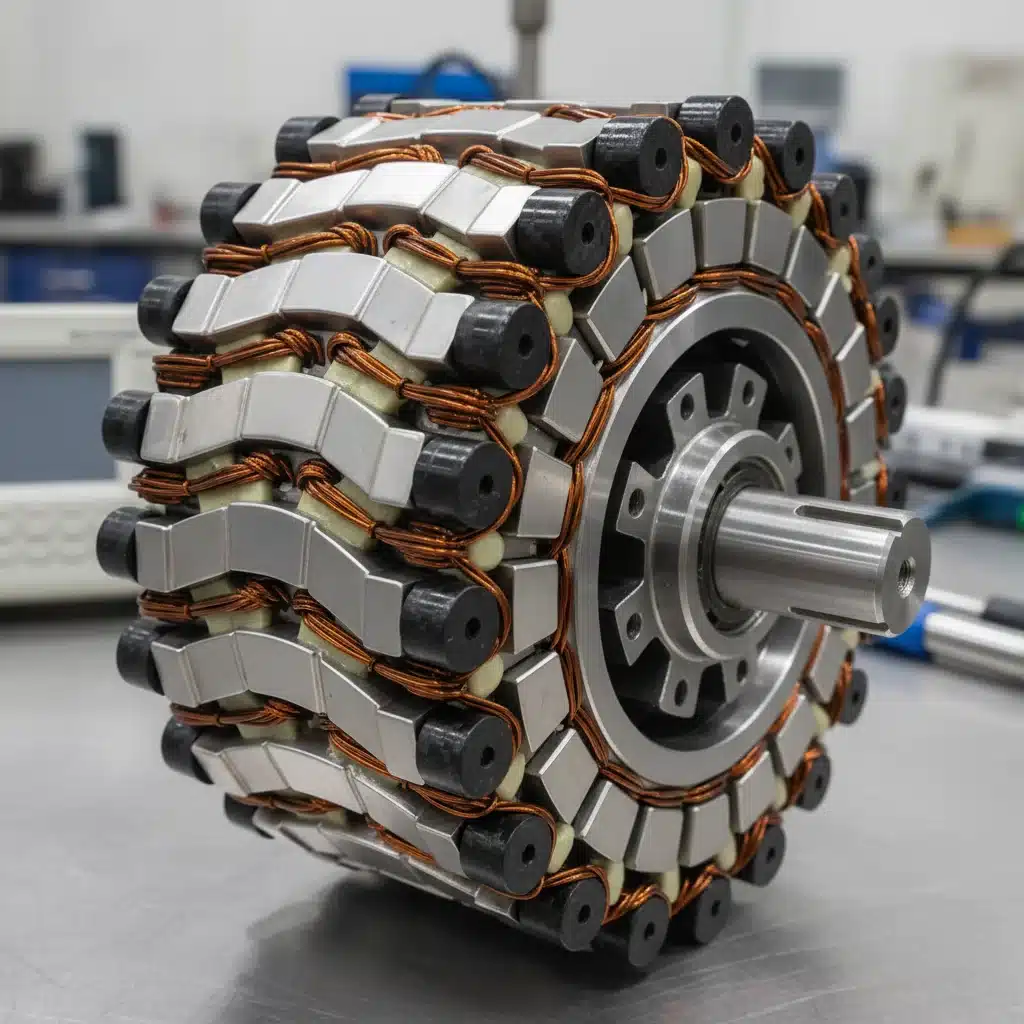
As motors become more powerful and compact, managing heat becomes increasingly critical. Overheating can lead to reduced efficiency, demagnetization of magnets, and premature component failure. US innovators are developing sophisticated thermal management solutions:
- Direct Oil Cooling: Submerging motor components directly in dielectric oil allows for highly efficient heat transfer, enabling motors to operate at higher power levels for longer durations.
- Integrated Cooling Channels: Designing intricate cooling channels directly into the motor’s stator and rotor structures maximizes surface area for heat dissipation.
- Phase-Change Materials (PCMs): Incorporating PCMs into motor housings or cooling systems can absorb and release significant amounts of heat, helping to maintain optimal operating temperatures.
- Advanced Heat Sinks and Fins: Optimized designs for heat sinks and fins, often leveraging additive manufacturing (3D printing), allow for complex geometries that enhance heat dissipation in a compact form factor.
Effective thermal management is a cornerstone of next-generation EV Motor Technology US, ensuring consistent performance and longevity, especially for high-performance and fast-charging applications in 2026 models.
Manufacturing Innovations: Scaling Up and Driving Down Costs
The best motor designs are only as good as their manufacturability. US engineers and manufacturers are focusing on innovative production techniques to scale up EV motor production while simultaneously driving down costs and improving quality. This is crucial for making EVs more accessible and competitive.
Automation and Robotics
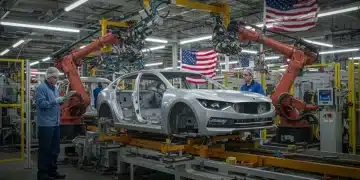
Highly automated production lines, utilizing advanced robotics for precise winding, assembly, and testing, are becoming standard. This not only increases production speed but also ensures consistent quality and reduces human error. The investment in these technologies within the US is significant, mirroring the broader trend in advanced manufacturing.
Additive Manufacturing (3D Printing)
While not yet widely used for mass production of entire motors, 3D printing is playing an increasing role in prototyping, creating complex cooling channels, and producing specialized components with optimized geometries that are difficult or impossible to achieve with traditional methods. As additive manufacturing technologies mature, their application in EV Motor Technology US production is expected to expand.
Modular Designs and Platform Approaches
Developing modular motor designs that can be easily adapted for various vehicle platforms helps streamline production, reduce engineering costs, and accelerate time to market. This strategy is vital for US automakers looking to rapidly expand their EV lineups by 2026.
The Role of Software and Control Systems
A sophisticated electric motor is only as effective as the software that controls it. Advanced control algorithms are critical for optimizing motor performance, efficiency, and driving dynamics. In the US, significant research is dedicated to:
- Predictive Control: Algorithms that anticipate driving conditions and adjust motor operation accordingly, maximizing efficiency and minimizing energy consumption.
- Torque Vectoring: Advanced control systems that can precisely distribute torque to individual wheels, enhancing handling, stability, and regenerative braking capabilities.
- Fault Detection and Diagnostics: Software that can monitor motor health in real-time, detect potential issues, and even predict failures, enabling proactive maintenance and improving reliability.
- Over-the-Air (OTA) Updates: The ability to update motor control software remotely allows manufacturers to continuously improve performance, efficiency, and add new features throughout the vehicle’s lifespan, a key differentiator for EV Motor Technology US.
The synergy between hardware innovation and intelligent software is what truly unlocks the potential of next-generation EV motors, making them more adaptable and efficient than ever before.
Key Players and Collaborations in the US EV Motor Landscape
The advancements in EV Motor Technology US are not happening in isolation. A vibrant ecosystem of automakers, startups, research institutions, and government initiatives is driving this progress:
- Automakers: Traditional giants like Ford and General Motors are heavily investing in in-house motor development and manufacturing, aiming to control their supply chains and differentiate their products. New players like Tesla continue to push boundaries with their integrated powertrain designs.
- Startups and Technology Companies: A plethora of innovative startups are emerging, focusing on specific aspects of motor technology, from new magnetic materials to advanced cooling systems and novel motor topologies.
- National Laboratories and Universities: Institutions like the National Renewable Energy Laboratory (NREL) and various university research centers are conducting fundamental and applied research, often in collaboration with industry partners, to explore groundbreaking concepts in electric motor design and manufacturing.
- Government Initiatives: Programs funded by the Department of Energy (DOE) and other agencies support research and development in advanced manufacturing, materials science, and power electronics, accelerating the pace of innovation in EV Motor Technology US.
These collaborations foster a dynamic environment where ideas are exchanged, technologies are refined, and the path to commercialization is expedited. The collective effort is ensuring that the US remains a global leader in EV motor innovation.
Impact on 2026 EV Models: What to Expect
The culmination of these technological advancements will be evident in the electric vehicles hitting the market in 2026. Consumers can anticipate a range of significant improvements:
- Extended Range: More efficient motors will translate directly into longer driving ranges on a single charge, alleviating range anxiety.
- Faster Charging: Improved thermal management and robust motor designs will better accommodate the demands of ultra-fast charging, reducing downtime.
- Enhanced Performance: Higher power density motors will deliver quicker acceleration and more responsive driving dynamics, making EVs even more exciting to drive.
- Reduced Cost: Manufacturing innovations and reduced reliance on expensive rare-earth materials will contribute to lower overall vehicle costs, making EVs more affordable for a broader consumer base.
- Increased Sustainability: Motors designed with reduced rare-earth content, improved recyclability, and more efficient manufacturing processes will bolster the environmental credentials of EVs.
- Quieter Operation: Advances in motor design and control algorithms will lead to even smoother and quieter operation, enhancing passenger comfort.
The 2026 models will not just be incremental improvements; they will represent a significant leap forward, showcasing the mature and highly optimized EV Motor Technology US has to offer.
Challenges and Future Outlook
Despite the rapid progress, challenges remain. Continued investment in research and development is necessary to overcome hurdles such as:
- Material Sourcing and Sustainability: While rare-earth reduction is a focus, ensuring ethical and sustainable sourcing of all materials remains a priority.
- Recycling and Circular Economy: Developing efficient methods for recycling EV motors and their components is crucial for long-term sustainability.
- Standardization: As motor designs diversify, there may be a need for greater standardization in certain interfaces to facilitate broader adoption and aftermarket support.
- Cost Reduction: While progress has been made, further innovations are needed to bring down the cost of advanced motor technologies to compete with traditional internal combustion engines on a wider scale.
The future of EV Motor Technology US is bright, characterized by continuous innovation and a commitment to pushing the boundaries of what’s possible. The trend towards greater integration of motors with other powertrain components, such as inverters and gearboxes, into compact e-axles will continue, leading to even more efficient and space-saving designs. We can also expect to see further exploration of in-wheel motors, offering unique packaging and control advantages, particularly for urban mobility solutions.
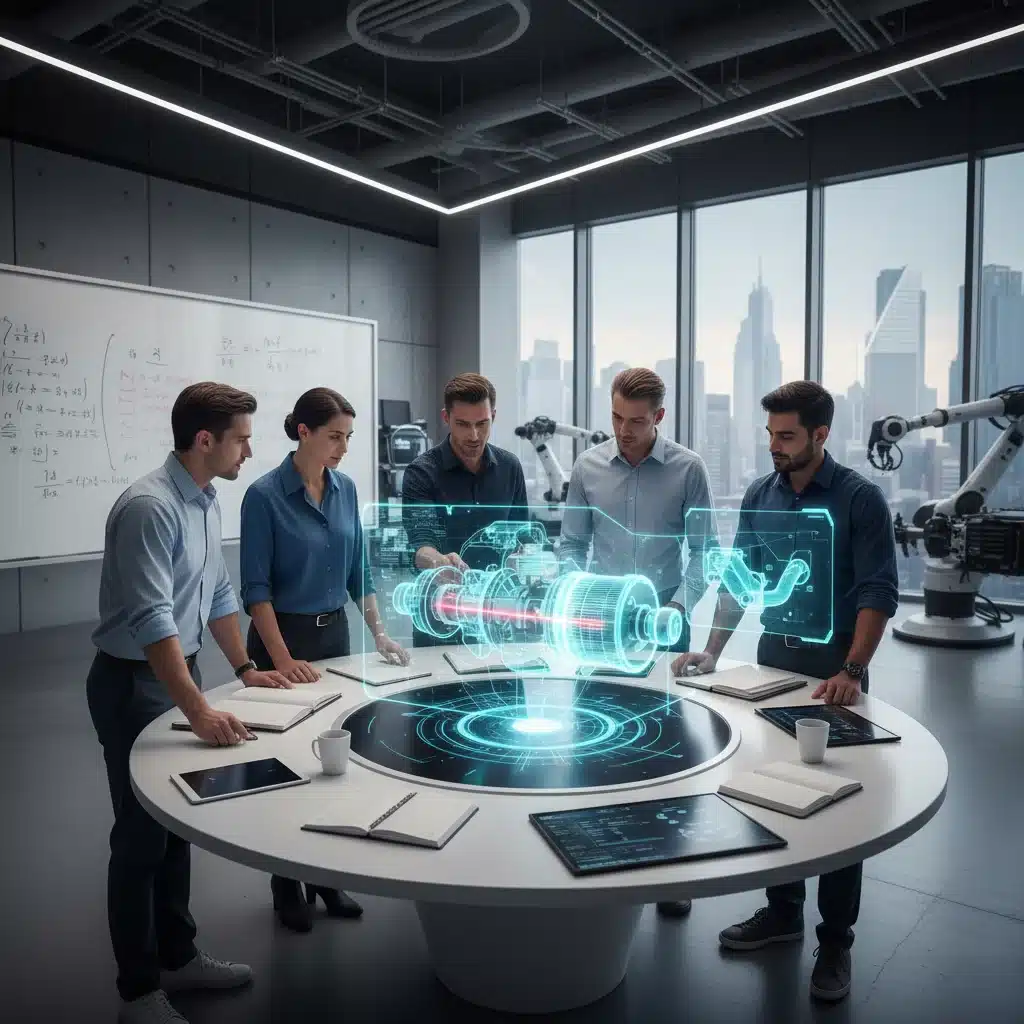
Furthermore, the convergence of artificial intelligence and machine learning with motor design and control offers immense potential. AI can optimize motor topologies, predict material performance under various conditions, and refine control algorithms in real-time, leading to unprecedented levels of efficiency and adaptability. The US is well-positioned to leverage these advanced computational tools to accelerate the development cycle of next-generation EV motors.
Another exciting area of research involves exploring new magnetic principles and materials beyond traditional electromagnetic induction. This includes piezoelectric effects, magnetostrictive materials, and even quantum phenomena, albeit these are still in very early stages of development for automotive applications. However, the foundational research being conducted in US universities and national labs today could lay the groundwork for truly revolutionary motor technologies decades down the line.
The emphasis on robust testing and validation also cannot be overstated. As motor designs become more complex and operate under increasingly extreme conditions, advanced simulation tools and physical testing facilities are essential. US research centers are equipped with state-of-the-art dynamometers and environmental chambers to rigorously test motors for durability, performance, and thermal resilience, ensuring that the 2026 models meet and exceed consumer expectations for reliability.
Moreover, the concept of ‘digital twins’ for EV motors is gaining traction. This involves creating a virtual replica of a physical motor, complete with real-time data from sensors. This digital twin can then be used for predictive maintenance, performance optimization, and even to simulate the effects of software updates before they are deployed to physical vehicles. This approach, heavily reliant on advanced data analytics and connectivity, is a natural fit for the tech-savvy US automotive industry.
The journey towards fully sustainable and hyper-efficient electric transportation is a marathon, not a sprint. However, with the relentless pace of innovation in EV Motor Technology US, the milestones being achieved are both impressive and inspiring. The commitment to overcoming current limitations, exploring novel solutions, and fostering a collaborative environment ensures that the United States will remain a pivotal force in shaping the electric future.
Conclusion
The landscape of EV Motor Technology US is dynamic and rapidly evolving. The innovations being developed and implemented for 2026 models represent a significant leap forward in efficiency, power density, and sustainability. From reducing reliance on rare-earth magnets to integrating advanced materials and sophisticated thermal management systems, American ingenuity is driving the electric vehicle revolution. These advancements will not only enhance the performance and appeal of EVs but also contribute significantly to global efforts in combating climate change and fostering a more sustainable future. The road ahead is paved with exciting possibilities, and the US is firmly in the driver’s seat of this electrifying journey.