Charging Speed Evolution: A 2026 Look at Ultra-Fast Charging Networks Across the US
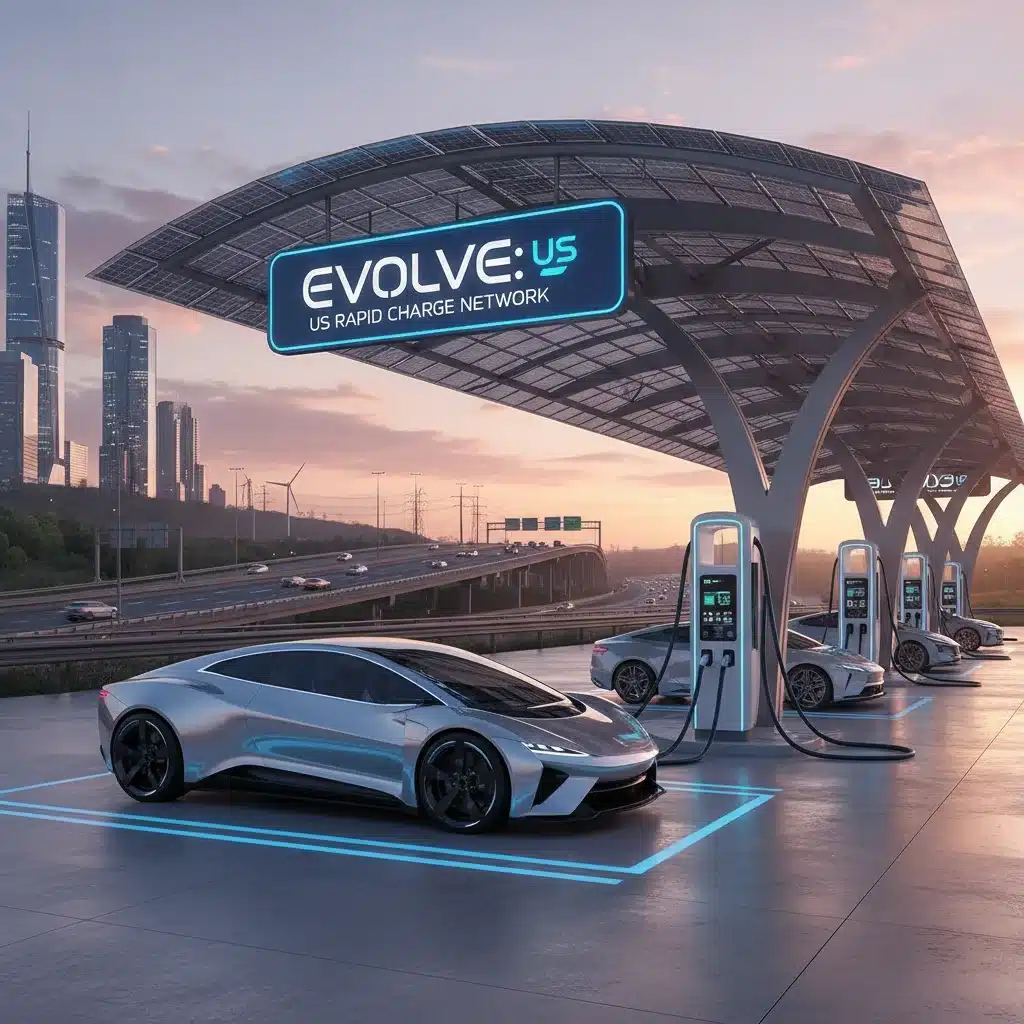
The electric vehicle (EV) revolution is accelerating at an unprecedented pace, and at the heart of this transformation lies the evolution of charging technology. As we look towards 2026, one of the most critical developments is the widespread adoption and expansion of ultra-fast charging networks across the United States. This isn’t just about faster charging times; it’s about fundamentally changing the perception and practicality of EV ownership, making long-distance travel as seamless and convenient as it is with gasoline-powered cars.
For years, range anxiety and long charging times have been significant barriers to mass EV adoption. However, the landscape is rapidly shifting. By 2026, the US will witness a robust and interconnected network of charging stations capable of delivering unprecedented power, allowing EVs to regain hundreds of miles of range in mere minutes. This comprehensive guide will delve into the technological advancements, infrastructure expansions, key players, and the profound impact these ultra-fast charging networks will have on the future of transportation.
The Dawn of Ultra-Fast Charging: What Does it Mean?
Defining "ultra-fast charging" is crucial. While standard Level 2 chargers offer speeds of 3-10 kW and DC fast chargers typically range from 50-150 kW, ultra-fast charging propels us into the realm of 250 kW, 350 kW, and even higher. These incredible power outputs are designed to significantly reduce the time spent charging, often bringing an EV battery from 10% to 80% in under 20-30 minutes, depending on the vehicle’s battery chemistry and capacity. This dramatic reduction in charging time is a game-changer, effectively making "refueling" an EV comparable to a quick coffee break.
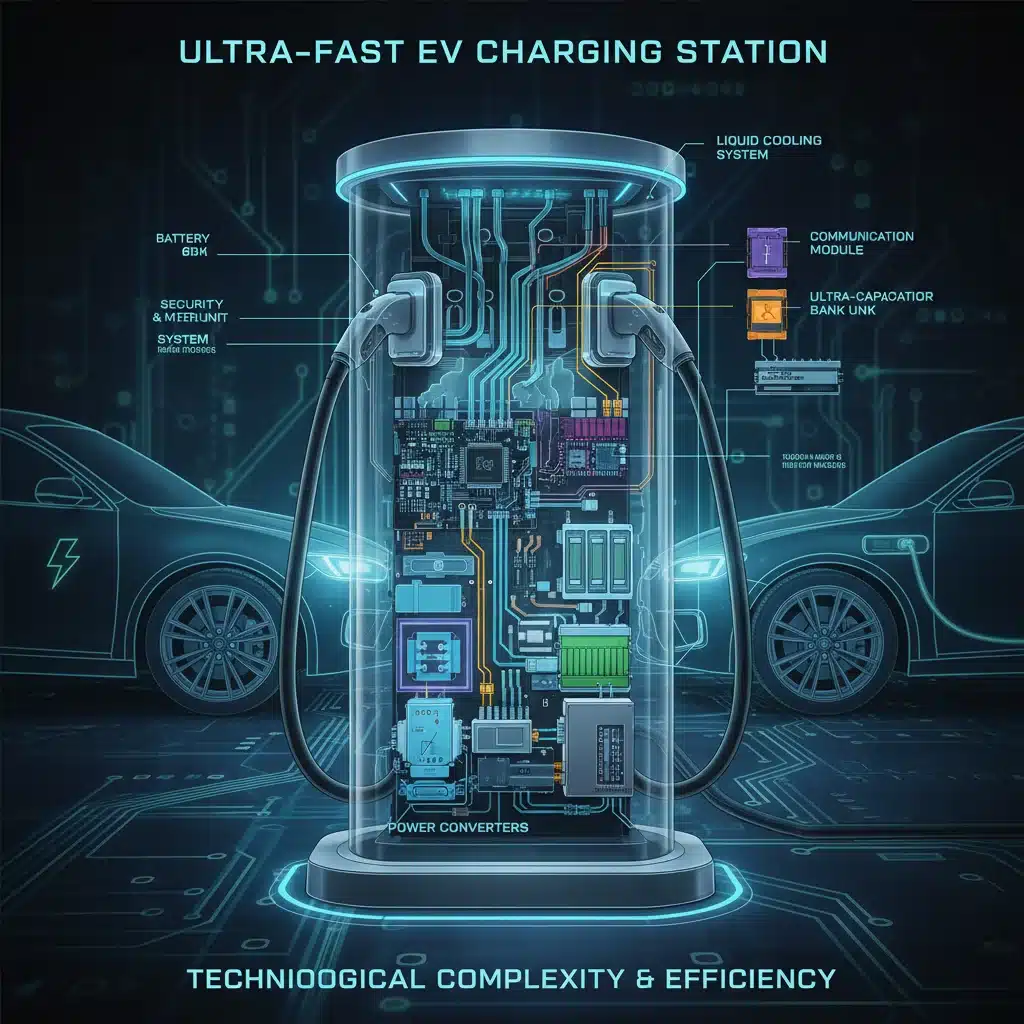
The technology behind these speeds is complex, involving high-power rectifiers, advanced cooling systems for both the chargers and the vehicle’s battery, and sophisticated communication protocols to ensure safe and efficient power transfer. Voltage levels are also increasing, with many new EVs and charging stations supporting 800V architectures, allowing for much higher power delivery without excessive current.
Technological Pillars Supporting Ultra-Fast Charging Networks
Several technological advancements are converging to make these networks a reality:
- Higher Voltage Architectures: Vehicles like the Porsche Taycan and Hyundai Ioniq 5 already utilize 800V systems, which significantly reduce charging times. More manufacturers are expected to adopt this standard by 2026.
- Advanced Battery Management Systems (BMS): Sophisticated BMS are essential to handle the intense power input of ultra-fast charging, ensuring battery health and longevity while optimizing charging curves.
- Liquid-Cooled Cables: To manage the heat generated by high current flow, liquid-cooled charging cables are becoming standard for ultra-fast chargers, allowing for thinner, more flexible cables despite the immense power.
- Improved Power Electronics: Silicon Carbide (SiC) technology in power converters is enabling more efficient, compact, and reliable charging station hardware.
- Smart Grid Integration: Future ultra-fast charging networks will be deeply integrated with smart grids, allowing for dynamic load balancing, renewable energy utilization, and demand-response capabilities.
The Expanding Footprint: Where Will We Find Them in 2026?
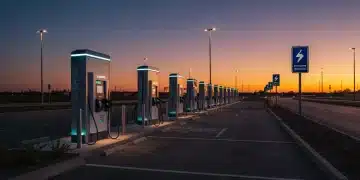
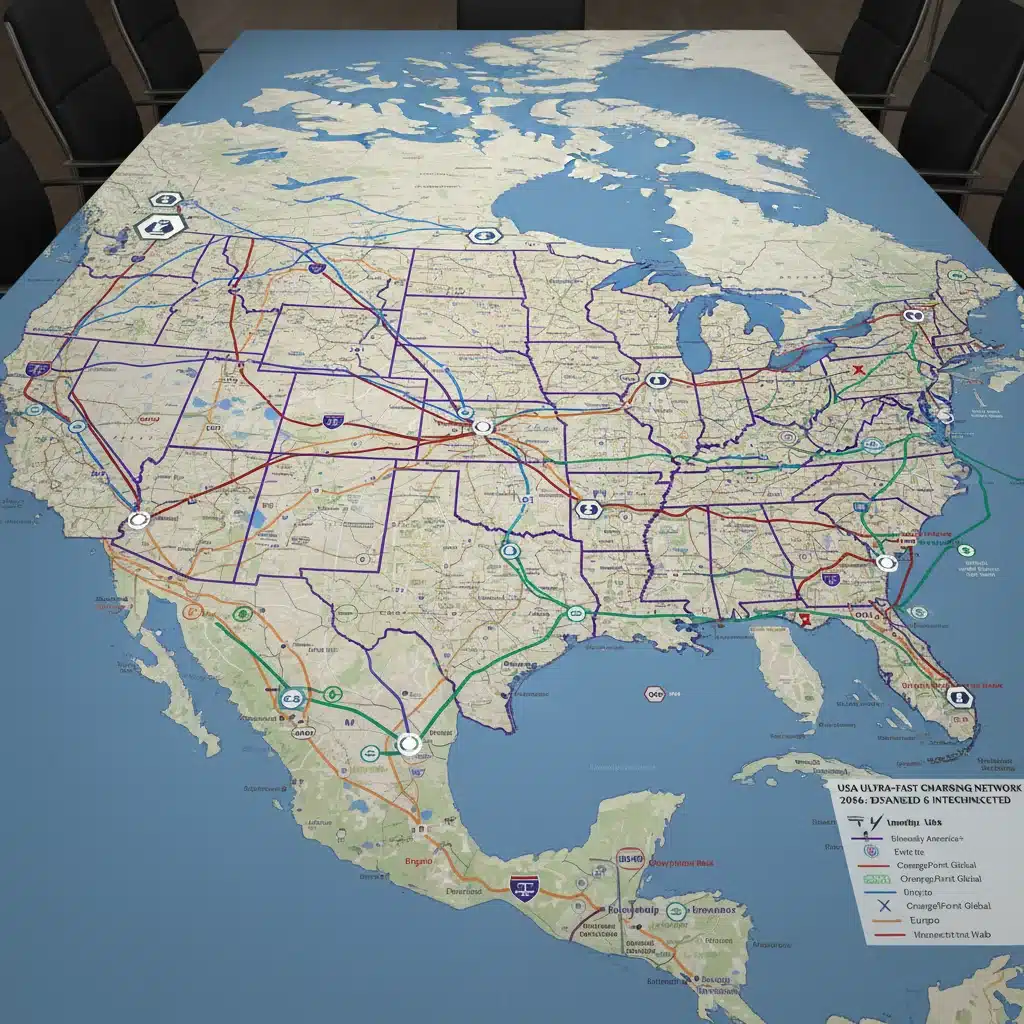
By 2026, the geographical spread of ultra-fast charging networks will be substantially more robust than it is today. Major interstates, critical travel corridors, and densely populated urban centers will see a significant increase in charging availability. The focus will be on creating seamless travel experiences, eliminating the "charging deserts" that currently deter many potential EV buyers.
Key Players and Their Expansion Plans
Several companies are leading the charge (pun intended) in building out these essential networks:
- Electrify America: Already a significant player, Electrify America continues to expand its network of 150 kW and 350 kW chargers, strategically placed along highways and in metropolitan areas. Their commitment, spurred by the Volkswagen Dieselgate settlement, ensures continued growth.
- EVgo: With a focus on reliability and accessibility, EVgo is also rapidly expanding its fast-charging footprint, including many ultra-fast locations, often partnering with retail outlets and gas stations.
- ChargePoint: While known for its extensive Level 2 network, ChargePoint is increasingly deploying DC fast chargers, including ultra-fast options, often through partnerships with businesses and local governments.
- Tesla Supercharger Network: Tesla’s proprietary network, long considered the gold standard, is becoming more accessible to non-Tesla EVs. By 2026, expect a significant portion of their V3 (250 kW) and future V4 (potentially higher) Superchargers to be open to all EVs, further boosting the overall ultra-fast charging capacity.
- Pilot/Flying J (EVgo Partnership): This partnership aims to install fast chargers at hundreds of travel centers across the US, providing critical infrastructure along major trucking routes and interstates.
- Standalone "Charging Hubs": We’ll see the emergence of dedicated charging hubs, akin to modern gas stations, but solely for EVs. These hubs will feature multiple ultra-fast chargers, amenities like restrooms, food services, and even entertainment, making charging stops more comfortable and efficient.
Government initiatives, such as the National Electric Vehicle Infrastructure (NEVI) Formula Program, are also playing a crucial role by providing funding to states to build out a national EV charging network, prioritizing fast chargers along designated alternative fuel corridors. This federal support ensures a more coordinated and rapid deployment of infrastructure, especially in underserved areas.
The User Experience: What Changes for EV Owners by 2026?
The impact of widespread ultra-fast charging networks on the EV ownership experience will be transformative. Range anxiety, once a primary concern, will largely become a relic of the past for most drivers. The ability to quickly top up an EV battery during a short break means that long road trips become significantly more viable and less stressful.
Reduced Charging Times and Increased Convenience
Imagine pulling into a charging station, plugging in, grabbing a coffee or using the restroom, and returning to a substantially charged vehicle. This scenario will be the norm by 2026. The convenience factor will be a major driver for new EV purchases, as it addresses one of the most persistent criticisms of electric vehicles.
Improved Reliability and Uptime
As networks mature, so too will their reliability. Charging station operators are investing heavily in maintenance, remote diagnostics, and redundant systems to ensure high uptime. Furthermore, standardized payment systems and improved charger interfaces will streamline the charging process, reducing frustration for users.
"Plug & Charge" Technology
The widespread adoption of "Plug & Charge" technology, based on the ISO 15118 standard, will further simplify the charging experience. This technology allows an EV to communicate directly with the charging station, automatically authenticating and initiating payment without the need for apps, RFID cards, or credit card swipes. Just plug in, and charging begins – a truly seamless experience that enhances the convenience of ultra-fast charging networks.
Challenges and Solutions on the Road to 2026
While the outlook is overwhelmingly positive, deploying extensive ultra-fast charging networks isn’t without its challenges. Addressing these will be crucial for success.
Grid Capacity and Power Demands
Ultra-fast chargers draw tremendous amounts of power, which can strain local grid infrastructure. Solutions include:
- Battery Storage: Integrating large-scale battery storage at charging hubs can buffer demand from the grid, allowing stations to draw power slowly and then discharge rapidly to vehicles.
- Smart Grid Management: Advanced software and hardware will enable better load forecasting and management, ensuring the grid can handle peak charging demands.
- Renewable Energy Integration: Pairing charging stations with solar canopies or other renewable sources can help offset demand and provide greener charging options.
Standardization and Interoperability
The charging ecosystem has historically been fragmented with various connectors and payment systems. By 2026, we anticipate greater standardization, particularly with the widespread adoption of the CCS (Combined Charging System) connector as the dominant standard for DC fast charging across most non-Tesla EVs in North America. Tesla’s move to open its Supercharger network and potentially adopt the NACS (North American Charging Standard) as a broader industry standard will further simplify the landscape.
Maintenance and Uptime
Ensuring that chargers are consistently operational is paramount. Investment in robust hardware, proactive maintenance schedules, and rapid response teams for repairs will be critical to building consumer trust in ultra-fast charging networks.
The Economic and Environmental Impact
The proliferation of ultra-fast charging networks will have far-reaching economic and environmental benefits.
Economic Growth and Job Creation
The build-out of charging infrastructure creates jobs in manufacturing, installation, maintenance, and software development. Furthermore, reliable charging encourages EV sales, stimulating the automotive industry and related sectors. Businesses located near charging hubs may also see increased foot traffic and revenue.
Reduced Emissions and Cleaner Air
By making EVs more practical and accessible, ultra-fast charging accelerates the transition away from fossil fuel vehicles. This leads to a significant reduction in tailpipe emissions, improving air quality in urban areas and contributing to national and global climate goals.
Energy Independence
A robust EV ecosystem, powered by domestic electricity generation (increasingly from renewable sources), reduces reliance on imported oil, enhancing national energy independence and security.
The Future Beyond 2026: What’s Next for Ultra-Fast Charging?
While 2026 marks a significant milestone, the evolution of charging technology won’t stop there. Future developments could include:
- Even Faster Charging Speeds: As battery technology advances, we might see chargers pushing beyond 350 kW, potentially offering full charges in under 10 minutes.
- Wireless Charging: While currently slower than wired options, advancements in wireless charging could make it a convenient option for home, workplace, and even dynamic road-based charging.
- Vehicle-to-Grid (V2G) and Vehicle-to-Home (V2H): Ultra-fast charging stations could also facilitate bidirectional power flow, allowing EVs to return energy to the grid or power homes during peak demand or outages, further integrating them into the energy ecosystem.
- Advanced Battery Swapping: While less likely for passenger vehicles in the US, battery swapping could offer an alternative "instant refill" solution for specialized fleets or specific vehicle types.
The synergy between advancements in battery technology, power electronics, and smart grid solutions will continue to drive innovation in the charging space.
Preparing for the Ultra-Fast Future
For consumers, businesses, and policymakers, understanding the trajectory of ultra-fast charging networks is essential. Consumers can confidently consider EVs for their next vehicle purchase, knowing that range and charging time are becoming less of an obstacle. Businesses, especially those in retail, hospitality, and transportation, have opportunities to integrate charging solutions to attract customers and support their fleets.
Policymakers must continue to incentivize infrastructure development, streamline permitting processes, and ensure equitable access to charging across all communities. Collaboration between government, industry, and utility providers will be key to overcoming remaining hurdles and accelerating the transition to a fully electric transportation system.
Conclusion: A Seamless Electric Future by 2026
By 2026, the United States will have taken monumental strides in establishing robust and reliable ultra-fast charging networks. These networks are not merely collections of charging stations; they are the arteries of a new electric transportation system, enabling freedom of movement, reducing environmental impact, and fostering economic growth. The era of range anxiety is rapidly fading into the rearview mirror, replaced by the promise of quick, convenient, and ubiquitous charging. The future of electric travel is not just coming; it’s arriving with unprecedented speed, and by 2026, it will be firmly integrated into the fabric of American life.
The journey towards a fully electric future is complex, but the rapid development of ultra-fast charging infrastructure is a clear indicator that the path is being paved for widespread adoption. As technology continues to evolve and investments pour into this critical sector, the vision of a seamless, sustainable, and electric future is well within reach.