Car Buying Scams 2026: Protect Yourself from Deceptive Deals
Buying a car, whether new or used, is often one of the most significant financial decisions an individual makes. It’s an exciting prospect, the promise of new adventures and reliable transportation. However, beneath the gleaming paint and persuasive sales pitches lies a treacherous landscape, rife with sophisticated schemes designed to separate you from your hard-earned money. As we move further into 2026, these car buying scams are evolving, becoming more cunning and difficult to detect. Understanding these updated warnings is not just advisable; it’s absolutely crucial for any consumer looking to make a secure and fair purchase.
The digital age has brought unprecedented convenience to car shopping, but it has also opened new avenues for fraudsters. From elaborate online cons to subtle manipulations in the dealership, the methods employed by scammers are constantly adapting. This comprehensive guide aims to arm you with the knowledge and strategies necessary to navigate the modern car market safely. We will delve deep into the most prevalent car buying scams of 2026, offering detailed explanations, red flags to watch out for, and actionable advice to protect your investment. Your vigilance and informed decisions are your best defense against becoming another victim.
The Digital Deception: Online Car Buying Scams
The internet has revolutionized how we shop for cars, offering vast selections and competitive pricing. Unfortunately, it has also become a fertile ground for car buying scams. Online fraudsters often leverage anonymity and sophisticated digital tools to create convincing but ultimately fake listings and elaborate schemes.
Phantom Vehicles and Non-Existent Sellers
One of the oldest yet still effective online car buying scams involves advertising vehicles that don’t exist. Scammers create attractive listings, often with stolen photos and unbelievably low prices, on popular classified sites or even fake dealership websites. They might claim to be out of the country, in the military, or facing an urgent personal crisis, using these excuses to pressure you into making a quick decision and sending money before you can inspect the vehicle. Once the money is wired, the seller disappears, and you’re left with no car and no recourse.
Red Flags:
- Prices that are significantly below market value.
- Seller insists on communicating only via email or text, avoiding phone calls or video chats.
- Refusal to allow a physical inspection of the vehicle or provide a vehicle history report (e.g., CarFax, AutoCheck).
- Demands for payment via wire transfer, gift cards, or cryptocurrency – methods that are untraceable and non-refundable.
- Emotional appeals or urgent circumstances used to rush the sale.
Escrow Service Scams
To appear legitimate, scammers sometimes suggest using an escrow service to facilitate the transaction. They’ll direct you to a fake escrow website that looks professional but is entirely controlled by them. You deposit the money into this ‘escrow’ account, believing it’s safe, but the funds are immediately siphoned off by the fraudsters, and the car never materializes. This is a common tactic in sophisticated car buying scams.
Red Flags:
- The seller insists on a specific escrow service you’ve never heard of.
- The escrow service website has subtle misspellings, poor grammar, or unprofessional design elements.
- The website URL doesn’t match the official website of a reputable escrow service (always verify independently).
- The escrow service fees seem unusually low or high.
VIN Cloning and Title Washing
VIN (Vehicle Identification Number) cloning involves fraudsters taking the VIN from a legally registered car and applying it to a stolen or salvaged vehicle. This allows them to register and sell the illegal car. Title washing is a similar tactic where a salvage, flood, or accident-damaged title is moved across state lines to a state with less stringent reporting requirements, allowing the damage history to be removed from the title and the car sold as ‘clean.’ These are particularly dangerous car buying scams as they involve significant safety risks and legal complications.
Red Flags:
- Discrepancies between the VIN on the dashboard, door jamb, and title documentation.
- Unusually low mileage for an older vehicle, or mileage discrepancies on service records.
- Evidence of repainting, mismatched body panels, or inconsistencies in the vehicle’s condition.
- A vehicle history report that seems too clean or has gaps in its reporting.
Dealership Deceptions: On-Lot Car Buying Scams
While the internet has expanded the reach of fraudsters, traditional dealerships are not immune to deceptive practices. Some dealerships, unfortunately, employ tactics that, while not always outright illegal, are designed to maximize their profit at your expense, sometimes blurring the lines into outright car buying scams.
Bait-and-Switch Tactics
The bait-and-switch is a classic dealership scam. An enticingly low-priced vehicle is advertised to lure customers in. Once you arrive, you’re told that car has just been sold, is undergoing maintenance, or has a hidden flaw. The salesperson then steers you towards a more expensive model, often with less favorable terms. This high-pressure tactic is designed to make you feel like you’ve wasted your time and should just settle for what’s available.
Red Flags:
- The advertised car is conveniently unavailable upon your arrival.
- Salesperson immediately tries to upsell you to a different vehicle.
- Reluctance to provide details or show photos of the advertised car before your visit.
Yo-Yo Financing
Yo-yo financing, also known as ‘spot delivery’ or ‘conditional delivery,’ is a particularly insidious car buying scam. You drive off the lot with your new car, believing the financing is secured. A few days or weeks later, the dealership calls, claiming the financing fell through and you need to sign a new contract with worse terms (higher interest rate, longer loan term, or larger down payment). If you refuse, they threaten to repossess the car or demand its immediate return, often keeping your trade-in or down payment.
Red Flags:
- Being rushed through the financing paperwork.
- The contract states the financing is ‘conditional’ or ‘subject to approval.’
- Being pressured to take the car home before all financing is finalized.
- Dealership calls you back days later claiming a problem with the original financing.
Add-On Scams and Hidden Fees
Many dealerships attempt to inflate the final price with unnecessary or overpriced add-ons. These can include extended warranties, paint protection, fabric protection, VIN etching, rustproofing, or even nitrogen-filled tires. While some of these might have legitimate value, they are often marked up significantly or are entirely superfluous. Hidden fees, such as ‘documentation fees’ or ‘preparation fees’ that are excessive or not clearly disclosed, also fall into this category of car buying scams.
Red Flags:
- Pressure to purchase numerous extras you didn’t ask for.
- Refusal to negotiate on the price of add-ons.
- Unexplained charges on the final bill of sale.
- Being told certain add-ons are mandatory (they usually aren’t).
Trade-In Value Manipulation
Some dealerships will intentionally undervalue your trade-in vehicle to increase their profit margin. They might point out minor flaws to justify a lower offer, or simply give you an offer significantly below market value, hoping you won’t do your research. This is a common tactic to maximize their profit on both ends of the deal.
Red Flags:
- The dealership offers a trade-in value significantly lower than what you found through independent research (e.g., Kelley Blue Book, Edmunds).
- Refusal to provide a clear breakdown of the trade-in valuation process.
- Pressure to accept a low trade-in offer immediately.
Private Seller Pitfalls: Individual Car Buying Scams
Buying from a private seller can often yield better deals than a dealership, but it also comes with its own unique set of risks and car buying scams. Without the regulatory oversight of a dealership, you need to be even more vigilant.
Curbstoning
Curbstoning involves unlicensed dealers posing as private sellers to avoid regulations, taxes, and providing warranties. They often sell vehicles with hidden defects, salvaged titles, or cars they’ve bought cheaply at auction. These sellers frequently operate out of temporary locations, use multiple phone numbers, and avoid meeting at their residence. They aim for a quick sale, often without proper documentation, making it difficult to find them if problems arise later.
Red Flags:
- The seller has multiple vehicles for sale at different locations.
- Reluctance to provide their home address or meet at their residence.
- The seller claims to be selling the car for a friend or family member.
- Lack of proper documentation or a clear title.
Odometer Rollback
Odometer fraud, though illegal, still persists. Scammers digitally alter a car’s odometer to show fewer miles than it has actually traveled, significantly inflating its perceived value. A car with 150,000 miles might be rolled back to 50,000, making it appear much younger and less worn. This is a classic example of car buying scams that directly impact vehicle reliability and resale value.
Red Flags:
- Wear and tear on the pedals, steering wheel, or seats that don’t match the odometer reading.
- Loose screws or misaligned numbers on older mechanical odometers.
- Discrepancies in mileage on service records, inspection stickers, or vehicle history reports.
- Tires that appear newer than expected for the reported mileage.
Lien Washing and Stolen Vehicles
In this scam, a private seller sells a car that still has an outstanding loan (a lien) against it or is outright stolen. They might provide a fake title or promise to pay off the lien after the sale. If you buy a car with a lien, the lender can repossess it, even if you paid the seller in full. If it’s a stolen vehicle, you’ll lose the car and your money once law enforcement gets involved. These are severe car buying scams with significant financial and legal repercussions.
Red Flags:
- Seller is unable to produce the original title or provides a suspicious-looking duplicate.
- Pressure to complete the sale quickly without verifying the title.
- Reluctance to meet at a bank or DMV to complete the transaction.
- The sale price is unusually low for the vehicle’s make and model.
Protecting Yourself: Strategies to Avoid Car Buying Scams
Forewarned is forearmed. Knowing about these car buying scams is the first step, but actively implementing protective measures is what will truly safeguard your purchase. Here’s how to protect yourself:
1. Do Your Research Thoroughly
- Market Value: Always research the fair market value of the car you’re interested in using reputable sources like Kelley Blue Book, Edmunds, or NADA Guides. An offer that’s too good to be true almost always is.
- Seller Reputation: For dealerships, check online reviews on multiple platforms (Google, Yelp, BBB). For private sellers, try to verify their identity and ensure they are who they say they are.
2. Verify Vehicle History
- Vehicle History Report: Always obtain a comprehensive vehicle history report from services like CarFax or AutoCheck. This report will reveal accidents, salvage titles, odometer discrepancies, flood damage, and previous ownership.
- VIN Inspection: Physically inspect the VIN on the dashboard, driver’s side door jamb, and any other locations to ensure they match the title and the history report. Look for signs of tampering.
3. Get a Pre-Purchase Inspection (PPI)
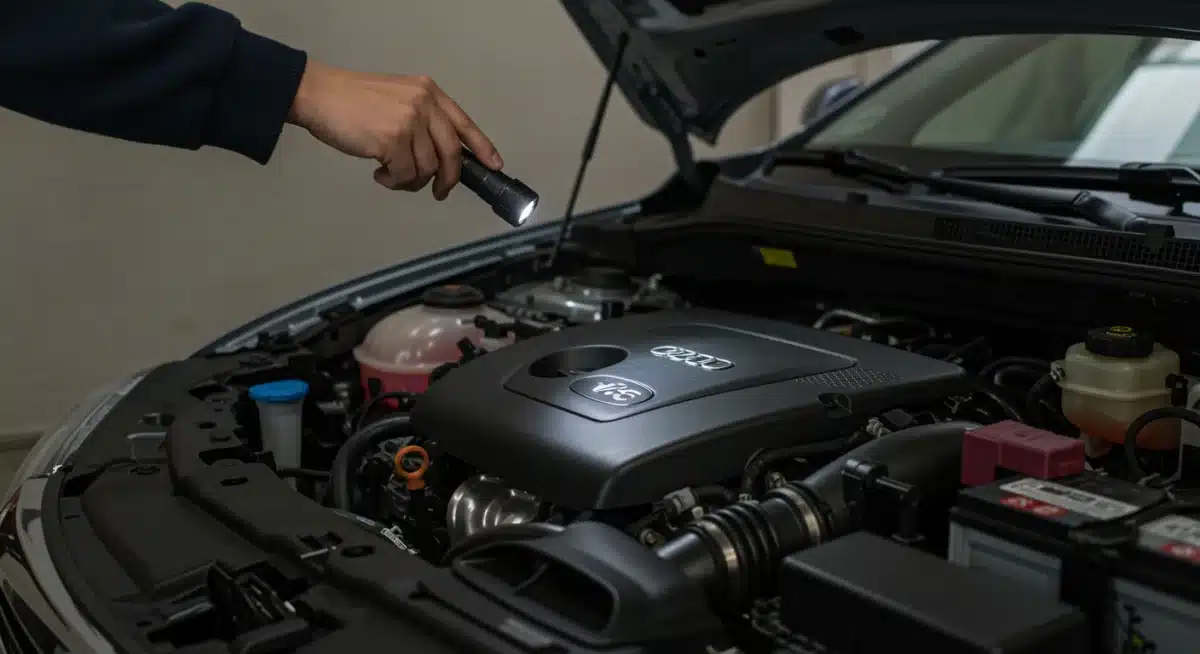
This is arguably the most critical step, especially for used vehicles. Before finalizing any purchase, have an independent, certified mechanic inspect the car. They can identify hidden mechanical issues, previous accident damage, or signs of odometer tampering that even a savvy buyer might miss. Do not use a mechanic recommended by the seller or dealership. These inspections are a small investment that can save you thousands in future repairs and protect you from significant car buying scams.
4. Scrutinize All Paperwork
- Read Everything: Never sign anything you haven’t read and fully understood. Pay close attention to the fine print, especially in financing agreements and sales contracts.
- Title Verification: Ensure the seller’s name on the title matches their ID. Verify there are no liens on the title. In many states, you can do this through the DMV.
- Bill of Sale: Ensure the bill of sale clearly lists the purchase price, any trade-in value, and all included features.
5. Secure Payment Methods
- Avoid Untraceable Payments: Never use wire transfers, gift cards, or cryptocurrency for car purchases, especially with private sellers you don’t know. These methods offer no buyer protection.
- Certified Checks or Bank Transfers: For private sales, use a certified check or arrange a bank transfer, ideally at a bank branch, where the legitimacy of funds can be verified by both parties.
- Dealership Payments: For dealerships, use a personal check, credit card (for a down payment to leverage chargeback protection), or arranged bank financing.
6. Be Wary of Pressure Tactics
Legitimate sellers and dealerships will give you time to think, consult with others, and get inspections. If you feel rushed, pressured, or uncomfortable at any point, walk away. A good deal will still be a good deal tomorrow, and there are always other cars. High-pressure tactics are often a sign of underlying car buying scams.
7. Trust Your Gut
If something feels off, it probably is. Pay attention to your instincts. If the deal seems too good to be true, the seller is behaving suspiciously, or you’re being asked to do something unusual, proceed with extreme caution or disengage entirely.
The Future of Car Buying Scams: What to Expect in 2026 and Beyond
As technology advances, so too do the methods of fraudsters. In 2026 and the years to come, we can anticipate more sophisticated digital car buying scams. Artificial intelligence and deepfake technology could be used to create even more convincing fake profiles, videos, and documentation. Blockchain technology, while offering potential for secure vehicle history, could also be exploited by those who understand its complexities to obscure fraudulent transactions.
The rise of autonomous vehicles and subscription-based car services might also introduce new vectors for fraud, related to software licensing, ownership rights, or data privacy. Staying informed through reputable consumer protection agencies, automotive news outlets, and community forums will be essential to keeping abreast of emerging threats.
Conclusion: Drive Away Safely
Buying a car should be an exciting and rewarding experience, not a source of stress and financial loss. By understanding the common and evolving car buying scams of 2026, and by diligently applying the protective strategies outlined in this guide, you can significantly reduce your risk. Empower yourself with knowledge, exercise caution, and never hesitate to walk away from a deal that doesn’t feel right.
Remember, your vigilance is your strongest shield. Take your time, ask questions, verify everything, and seek independent professional advice when needed. With these tools at your disposal, you can confidently navigate the car market and drive away in your desired vehicle, secure in the knowledge that you’ve made a smart and safe purchase. Don’t let the threat of car buying scams deter you; instead, let it empower you to be a more informed and protected consumer.