
Connected Car Cybersecurity: 2026 Mandates & Data Protection
The 2026 mandates for connected car cybersecurity in the U.S. will profoundly impact data protection for 75% of new vehicles, demanding robust security measures and innovative solutions from manufacturers.

Lightweight Composites: 2026 Vehicle Weight Reduction by 5%
By 2026, advanced lightweight composites are expected to reduce vehicle weight by a significant 5% in new models, drastically improving fuel efficiency, electric range, and overall vehicle performance across the automotive sector.

Subscription Models: 10% US Auto Software Penetration by 2026
The automotive industry is rapidly embracing subscription models for software services, with projections indicating a significant 10% market penetration in the U.S. by 2026, fundamentally reshaping vehicle ownership.

U.S. Investments Target Auto Semiconductor Stability by 2026
New U.S. investments are strategically targeting the semiconductor shortage, with a clear objective to stabilize auto production within 18 months by 2026, bolstering domestic manufacturing and supply chain resilience for the automotive sector.

2026 Emissions Standards: Impact on U.S. Auto Imports
The 2026 emissions standards are set to profoundly reshape the U.S. automotive landscape, particularly impacting 30% of auto imports by compelling manufacturers to adopt cleaner technologies and influencing consumer choices towards more sustainable vehicles.

Autonomous Vehicle Fleets: 20% Growth Projected by 2026
Autonomous vehicle fleets are poised for significant expansion, with a projected 20% growth across the U.S. by 2026, driven by technological advancements and evolving transportation needs.
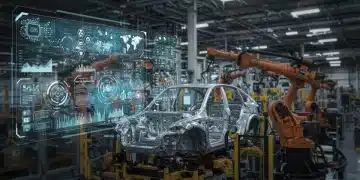
AI in Auto Supply Chains: 2026 Predictive Analytics to Cut Delays
By 2026, artificial intelligence and predictive analytics are poised to significantly transform the automotive supply chain, promising a 25% reduction in delays through enhanced forecasting and optimized logistics.

U.S. Auto Manufacturing Shifts: 2025 Reshoring Impact Analysis
The U.S. automotive sector is undergoing significant changes by 2025, with an anticipated 15% reshoring of production, profoundly impacting the economy, supply chains, and domestic employment.
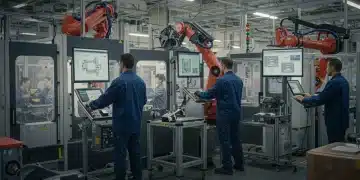
Automotive Workforce Future: Bridging the U.S. Skill Gap by 2025
U.S. automotive manufacturers are implementing innovative strategies, from advanced training programs to technology integration, to bridge a projected 8% skill gap by 2025, ensuring a resilient and skilled workforce for the industry's evolving demands.

U.S. Regulations Drive 20% Recycled Materials in Auto Manufacturing by 2025
U.S. regulations are significantly impacting the automotive sector, mandating a 20% increase in recycled materials within auto manufacturing by 2025 to foster greater sustainability and reduce environmental footprints across the industry.