Digital Transformation Driving Auto Sales: 30% US Market Shift by 2026
The Future of Dealerships: How Digital Transformation Will Reshape 30% of US Auto Sales by 2026
The automotive industry is on the cusp of a profound revolution, one driven by the relentless march of digital transformation. For decades, the traditional dealership model has been the bedrock of car sales, a familiar landscape of gleaming showrooms, test drives, and face-to-face negotiations. However, this landscape is rapidly evolving, with digital technologies fundamentally altering how consumers research, select, and ultimately purchase vehicles. Projections indicate a staggering shift: by 2026, an estimated 30% of all US auto sales are expected to be conducted entirely online. This isn’t merely an incremental change; it’s a paradigm shift that demands immediate attention and strategic adaptation from every player in the automotive retail sector. Understanding the forces behind this transformation, the challenges it presents, and the opportunities it unlocks is paramount for survival and success in the new era of Digital Auto Sales.
The COVID-19 pandemic acted as an accelerant for trends already in motion, forcing dealerships to embrace digital tools at an unprecedented pace. Consumers, already accustomed to seamless online purchasing experiences in other retail sectors, began to expect the same convenience and transparency when buying a car. This accelerated adoption of digital channels has laid the groundwork for a future where the entire car-buying journey, from initial research to final transaction, can be completed without ever setting foot in a physical showroom. This comprehensive article will delve into the multifaceted aspects of this digital revolution, examining the technologies driving it, the changing consumer expectations, the strategies for dealerships to adapt, and the broader implications for the automotive ecosystem.
The Genesis of Digital Auto Sales: A Shifting Consumer Landscape
The shift towards Digital Auto Sales isn’t a sudden phenomenon; it’s the culmination of evolving consumer behaviors and technological advancements. Modern car buyers are highly informed, conducting extensive online research before engaging with a dealership. They leverage manufacturer websites, third-party review sites, social media, and online forums to compare models, prices, and features. This pre-purchase digital engagement means that by the time a customer interacts with a salesperson, they often have a clear idea of what they want and what they expect to pay. The traditional role of the salesperson as the primary source of information has diminished, replaced by a more consultative approach where the salesperson facilitates and personalizes an already well-researched decision.
Furthermore, the rise of e-commerce platforms has set a new benchmark for customer experience. Consumers expect convenience, transparency, and efficiency in all their transactions. The ability to browse inventory, configure vehicles, obtain financing options, and even arrange for home delivery from the comfort of their couch is no longer a futuristic concept but an increasingly present reality. This expectation extends beyond the initial purchase to after-sales services, with digital platforms playing a crucial role in scheduling maintenance, accessing vehicle history, and managing ownership details. The automotive industry, traditionally slower to adopt digital innovations compared to other sectors, is now catching up rapidly, driven by both consumer demand and competitive pressures. The dealerships that fail to recognize and adapt to these fundamental shifts risk being left behind in an increasingly competitive market.
Key Drivers of the Digital Shift in Automotive Retail
Several critical factors are propelling the rapid adoption of Digital Auto Sales:
- Changing Consumer Expectations: Millennials and Gen Z, who represent an increasingly significant portion of car buyers, are digital natives. They expect intuitive, mobile-first experiences and value convenience and transparency above all else. They are less inclined to spend hours at a dealership and prefer streamlined, efficient processes.
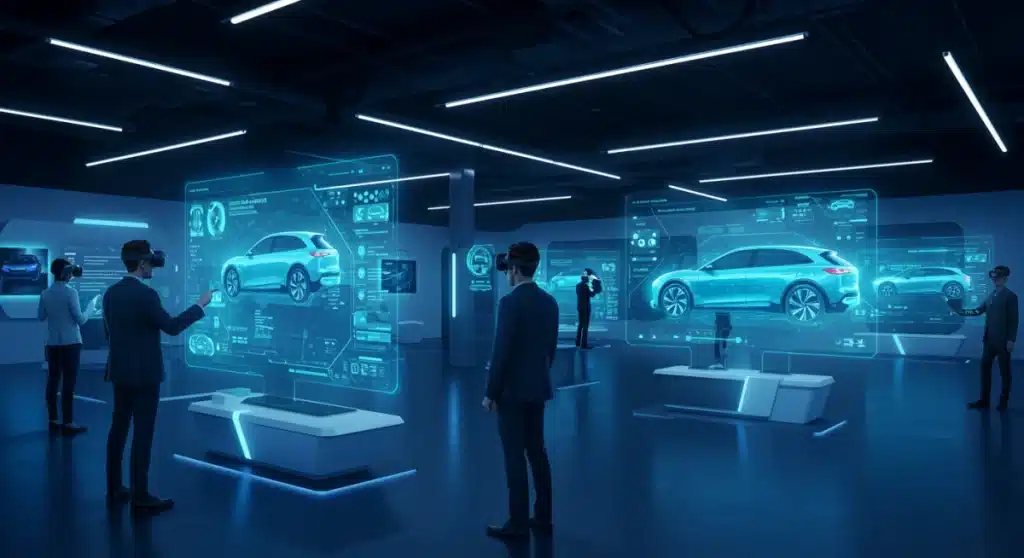
- Technological Advancements: The proliferation of advanced online platforms, virtual reality (VR) and augmented reality (AR) configurators, AI-powered chatbots, and sophisticated data analytics tools makes comprehensive online car buying not just possible, but highly engaging. These technologies allow for detailed virtual tours, personalized recommendations, and real-time support.
- Pandemic Acceleration: The COVID-19 pandemic forced an immediate pivot to digital channels. Lockdowns and social distancing measures made in-person interactions difficult, pushing both buyers and sellers to embrace online transactions. This period proved the viability and efficiency of digital car sales, accelerating a trend that was already underway.
- Increased Transparency: Digital platforms foster greater price transparency, allowing consumers to easily compare offers from multiple dealerships. This competitive environment encourages dealerships to offer more competitive pricing and clearer terms, benefiting the consumer.
- Operational Efficiencies for Dealerships: While the initial investment in digital infrastructure can be significant, the long-term benefits include reduced overheads, expanded geographical reach, and the ability to serve more customers with fewer resources. Digital tools can automate many repetitive tasks, freeing up sales staff to focus on more complex customer needs.
These drivers collectively illustrate a powerful momentum towards a digitally-centric future for automotive retail. Dealerships that proactively embrace these changes are better positioned to capture market share and build stronger, more resilient businesses.
The Anatomy of Online Car Buying: What Does 30% Digital Auto Sales Mean?
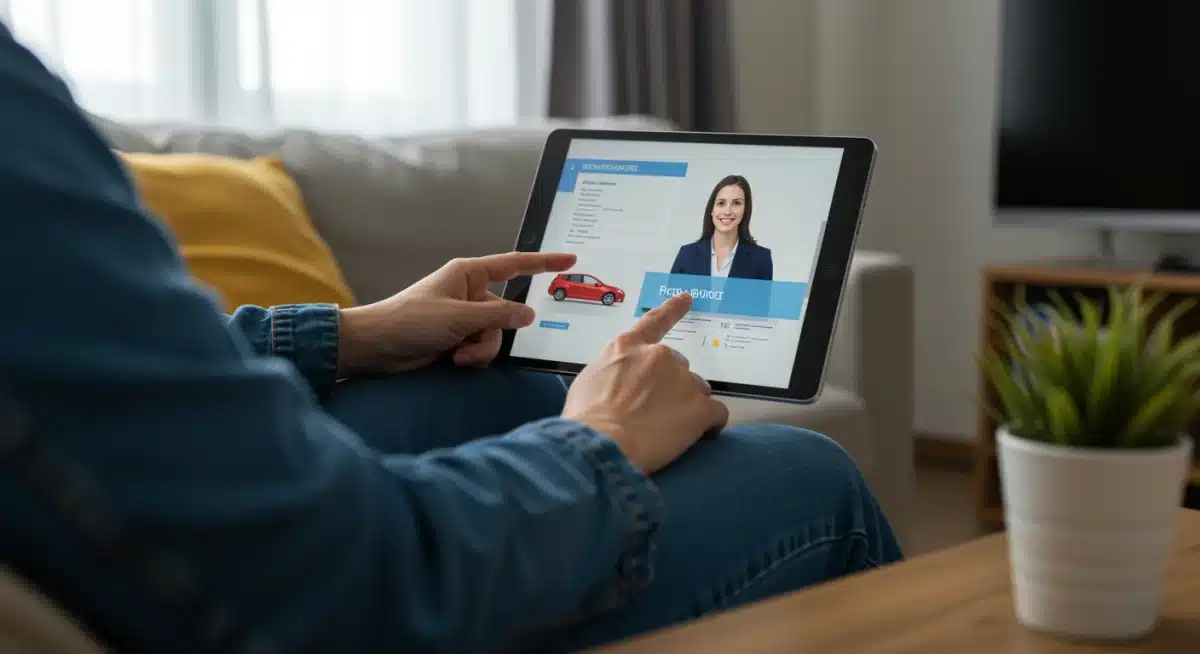
When we talk about 30% of US auto sales being fully online by 2026, it implies a comprehensive digital journey. This doesn’t just mean browsing cars on a website; it encompasses the entire transaction lifecycle. Imagine a customer who can:
- Virtually Explore and Configure: Use AR/VR tools to explore vehicle interiors and exteriors, customize features, colors, and trims, and even ‘test drive’ in a simulated environment.
- Obtain Transparent Pricing: Receive clear, upfront pricing, including all fees, taxes, and potential discounts, without hidden surprises.
- Secure Financing Online: Apply for loans, get pre-approved, and sign financing documents digitally.
- Value Trade-ins: Get accurate, instant valuations for their trade-in vehicles through online assessment tools.
- Complete Paperwork Digitally: Sign all necessary purchase agreements and legal documents electronically, often from a mobile device.
- Arrange Home Delivery: Have their new vehicle delivered directly to their driveway, often with a white-glove service experience.
This end-to-end digital experience minimizes or eliminates the need for physical presence at a dealership. While some customers may still prefer a test drive or a final in-person consultation, the core transaction and associated administrative tasks are fully digitized. This level of integration requires robust digital infrastructure, seamless backend processes, and a fundamental shift in how dealerships operate and engage with customers.
Challenges and Obstacles to Widespread Digital Auto Sales
Despite the undeniable momentum, the path to 30% Digital Auto Sales is not without its hurdles. Dealerships face several significant challenges:
- Legacy Systems and Infrastructure: Many dealerships operate on outdated IT systems that are not integrated, making a seamless digital transition difficult. Upgrading these systems requires substantial investment and a significant overhaul of existing processes.
- Employee Training and Culture Shift: Sales staff accustomed to traditional sales methods may resist adopting new digital tools and processes. A cultural shift is necessary to embrace a more consultative, digitally-enabled sales approach. Training programs are essential to equip employees with the skills needed for online customer engagement, virtual demonstrations, and digital document handling.
- Customer Trust and Security Concerns: While younger generations are comfortable with online transactions, some consumers, particularly older demographics, may still harbor reservations about making such a significant purchase online without physical interaction. Building trust through secure platforms, transparent policies, and excellent customer service is crucial.
- Logistics of Test Drives and Deliveries: While the transaction can be digital, the physical product still requires a test drive for many and subsequent delivery. Dealerships need to develop efficient and convenient solutions for at-home test drives and vehicle delivery, which can add complexity and cost.
- Regulatory and Legal Frameworks: Automotive sales are heavily regulated, with varying laws across states regarding online sales, financing, and titling. Navigating this complex regulatory landscape to ensure compliance across all digital channels is a significant challenge.
- Maintaining Personal Connection: The car purchase is often a significant emotional investment. Digital channels must find ways to replicate or enhance the personal connection and trust that a good salesperson can build in person. This often involves leveraging video calls, personalized digital communications, and highly responsive support.
Overcoming these challenges requires a strategic, long-term vision and a commitment to continuous innovation. Dealerships that view these obstacles as opportunities to differentiate and improve their customer experience will be those that thrive.
Dealership Adaptation: Strategies for Thriving in the Digital Age
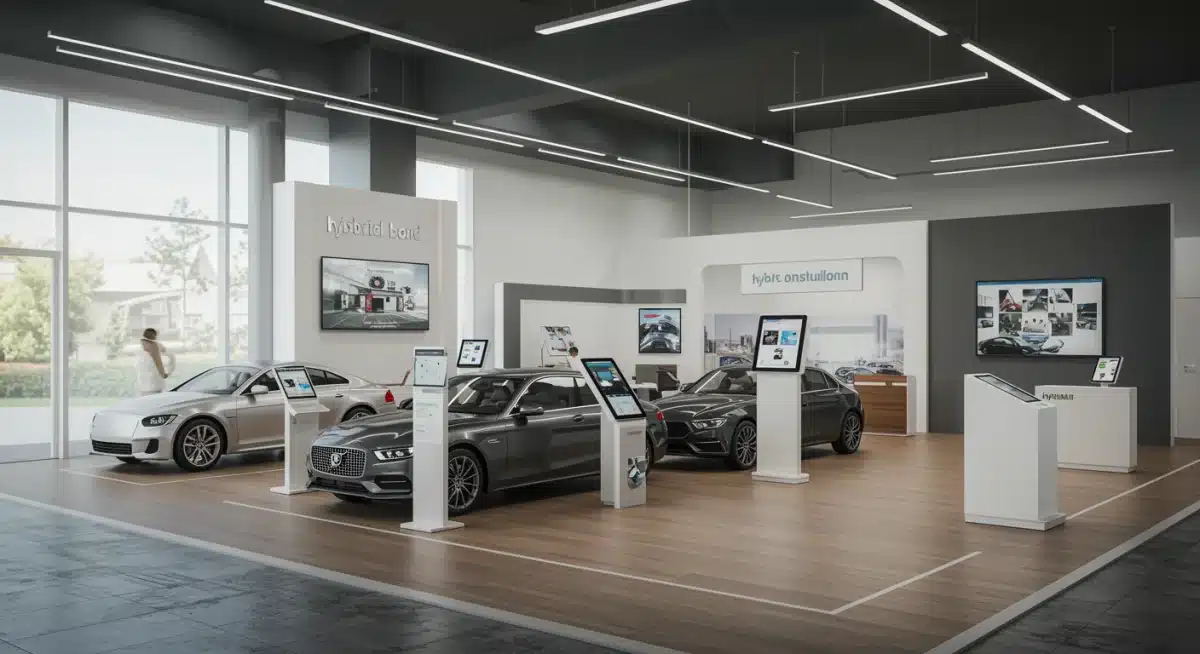
For dealerships to not only survive but thrive in an era dominated by Digital Auto Sales, adaptation is key. This involves a multi-pronged approach that integrates technology, redefines roles, and prioritizes customer experience. The future dealership will be a hybrid entity, seamlessly blending physical and digital touchpoints to cater to diverse customer preferences.
1. Embrace a Hybrid Model
The notion that physical dealerships will disappear entirely is largely unfounded. Instead, they will evolve into experience centers, service hubs, and logistical points for test drives and deliveries. The hybrid model allows customers to choose their preferred interaction method – whether it’s starting online and finishing in-store, or vice-versa. Dealerships should invest in creating a cohesive experience across all channels, ensuring that a customer’s journey is smooth regardless of where they interact.
2. Invest in Robust Digital Infrastructure
This is non-negotiable. Dealerships need state-of-the-art websites, mobile apps, and customer relationship management (CRM) systems that are fully integrated. Key features should include:
- Advanced Inventory Management: Real-time updates of vehicle availability, detailed specifications, and high-quality images/videos.
- Online Configuration Tools: Intuitive interfaces for customers to build and customize their desired vehicle.
- Transparent Pricing Engines: Tools that provide accurate, all-inclusive pricing upfront, including estimated taxes and fees.
- Digital Financing and Documentation: Secure platforms for loan applications, e-signatures, and document storage.
- AI-Powered Chatbots and Virtual Assistants: For instant customer support, answering FAQs, and guiding customers through the online buying process.
- Personalized Communication Tools: Video conferencing, personalized email campaigns, and SMS updates to maintain human connection.
3. Re-skill and Re-define Sales Roles
The role of the salesperson is evolving from a transactional negotiator to a digital concierge and product expert. Sales staff will need training in:
- Digital Communication: Mastering video calls, live chat, and effective email correspondence.
- Technology Proficiency: Comfortably using CRM systems, online configurators, and virtual demonstration tools.
- Consultative Selling: Focusing on understanding customer needs and guiding them through a personalized online journey, rather than hard selling.
- Customer Service Excellence: Providing exceptional support throughout the digital purchasing process, building trust and loyalty.
Dealerships should also consider creating specialized roles for digital sales specialists who focus exclusively on online engagement and transactions.
4. Enhance the Online Customer Experience
User experience (UX) is paramount. The online car-buying journey must be intuitive, engaging, and frictionless. This means:
- Mobile Optimization: Ensuring websites and tools are fully responsive and easy to use on smartphones and tablets.
- High-Quality Visuals: Professional photos, 360-degree interior/exterior views, and compelling video walk-arounds for every vehicle.
- Personalization: Leveraging data to offer personalized recommendations and tailor the online experience to individual customer preferences.
- Seamless Hand-offs: Ensuring that if a customer starts online and decides to visit the dealership, their information and progress are seamlessly transferred to the in-store team.
5. Streamline Back-End Operations
A smooth front-end digital experience is only possible with efficient back-end operations. This includes integrating disparate systems – inventory, CRM, finance, service – to ensure data flows seamlessly and processes are automated wherever possible. This operational efficiency is key to reducing costs and improving response times, which are critical in the digital realm.
The Broader Impact on the Automotive Ecosystem
The rise of Digital Auto Sales to 30% of the market by 2026 will have ripple effects across the entire automotive ecosystem, impacting manufacturers, third-party platforms, and even ancillary services.
For Manufacturers:
Automakers are increasingly investing in their own direct-to-consumer digital sales channels, sometimes in parallel with their dealer networks. This trend could lead to more integrated online experiences directly from the brand, potentially putting pressure on dealerships to offer equally compelling digital platforms. Manufacturers will also need to provide more robust digital tools and support to their dealer networks to ensure consistency and quality across all sales channels.
For Third-Party Platforms:
Online marketplaces like Carvana, Vroom, and CarMax have pioneered many of the digital car-buying innovations. Their continued growth will push traditional dealerships to innovate further. These platforms will likely continue to expand their offerings, potentially including more advanced financing solutions, subscription models, and expanded service networks. The competition from these digital-first players will keep the pressure on traditional dealerships to enhance their own online capabilities.
For Ancillary Services:
The shift to digital will also affect insurance providers, financing companies, and after-market service providers. There will be an increased demand for integrated digital solutions that can seamlessly connect with the online car-buying process. For example, insurance quotes and policy purchases could become an integral part of the digital checkout process, offering customers a one-stop-shop experience.
Data and Analytics:
The digital transformation generates vast amounts of data on consumer behavior, preferences, and purchasing patterns. Dealerships and manufacturers who effectively leverage this data through advanced analytics can gain unprecedented insights, leading to more personalized marketing, optimized inventory management, and improved customer service. This data-driven approach will be a key differentiator in the competitive landscape.
The Road Ahead: Embracing Innovation and Customer-Centricity
The projection of 30% of US auto sales being fully online by 2026 is not a distant future; it’s an immediate reality demanding proactive engagement. The automotive industry is witnessing a fundamental redefinition of the car-buying process, moving from a transaction-centric model to a customer-experience-centric one. Dealerships that view digital transformation not as a threat, but as an opportunity to innovate, streamline operations, and enhance customer satisfaction, will be the ones that thrive.
Embracing Digital Auto Sales means more than just having a website; it means fundamentally rethinking every aspect of the sales journey through a digital lens. It requires significant investment in technology, a commitment to continuous employee training, and a deep understanding of evolving consumer expectations. The dealerships of tomorrow will be agile, digitally savvy enterprises that offer a seamless, personalized, and transparent car-buying experience, whether the customer chooses to engage online, in-store, or through a hybrid approach.
The automotive industry has always been dynamic, adapting to technological advancements and changing consumer needs. The current digital revolution is perhaps one of the most significant transformations in its history. By proactively embracing these changes, fostering a culture of innovation, and putting the customer at the heart of every digital strategy, dealerships can navigate this exciting new landscape successfully and secure their place in the future of auto retail. The journey to 30% online sales is well underway, and the time for action is now.