EPA’s 2025 EV Emissions: Impact on US Auto Industry & Consumers
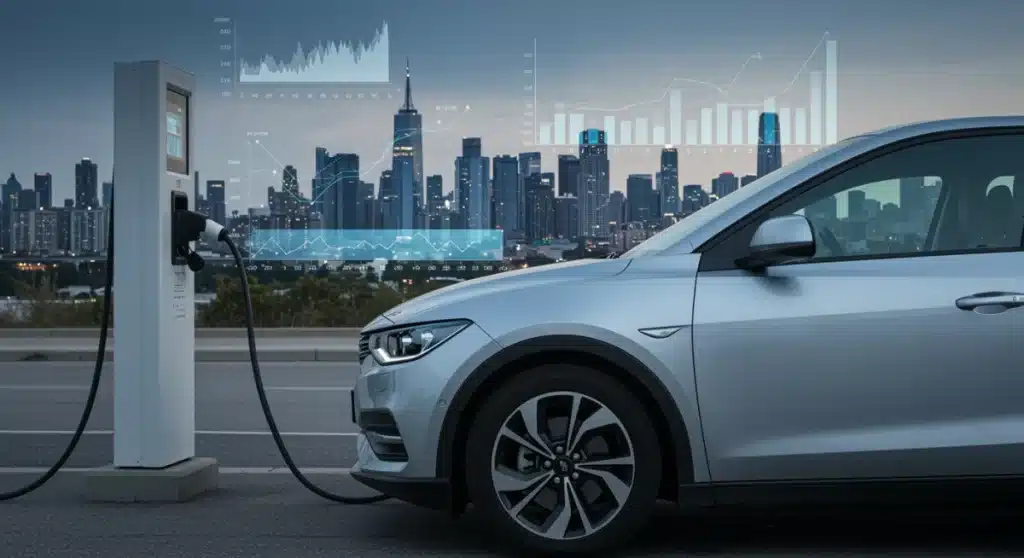
The EPA’s 2025 EV emissions regulations are poised to redefine the American automotive market, compelling manufacturers to accelerate electric vehicle production and influencing consumer choices through expanded availability and potentially adjusted pricing structures.
The automotive industry stands at a pivotal juncture, with new environmental mandates shaping its future. Understanding Decoding the EPA’s New EV Emissions Regulations for 2025: Impact on Manufacturers and US Consumers is crucial for anyone involved in or affected by the transition to electric vehicles. These forthcoming rules are not merely technical adjustments; they represent a significant shift designed to accelerate the adoption of EVs across the United States, promising profound effects on everything from factory floors to household budgets.
Understanding the EPA’s 2025 EV Emissions Framework
The Environmental Protection Agency (EPA) has rolled out a comprehensive set of emissions standards for model years 2023 through 2026, with the 2025 regulations being particularly impactful. These rules aim to significantly reduce greenhouse gas emissions from light-duty vehicles, pushing the automotive industry towards a more sustainable future. The framework emphasizes a substantial increase in electric vehicle (EV) sales, setting aggressive targets for manufacturers.
The core of these regulations is a technology-neutral approach, meaning the EPA doesn’t mandate specific technologies but rather sets emission limits that are increasingly difficult to meet without a substantial shift towards electrification. This gives manufacturers flexibility in how they achieve compliance, whether through improved internal combustion engine (ICE) efficiency or, more predominantly, through the production and sale of electric vehicles.
Key Components of the Regulations
The 2025 regulations build upon previous standards, tightening limits on CO2 emissions year over year. For manufacturers, this translates into a need to enhance fuel efficiency across their entire fleet, with EVs playing a critical role in offsetting emissions from gasoline-powered vehicles. Failure to meet these targets can result in substantial penalties, providing a strong financial incentive for compliance.
- Emissions Reduction Targets: Specific CO2 reduction targets are set for each model year, requiring a continuous improvement in fleet-wide emissions.
- Credit System: Manufacturers can earn credits for exceeding standards, particularly for EV sales, which can then be used to offset deficits or sold to other manufacturers.
- Flexibility Mechanisms: Various compliance pathways exist, including advanced technology credits and off-cycle credits for innovative fuel-saving technologies.
- Long-Term Vision: These regulations are part of a broader strategy to achieve significant emissions reductions by 2050, aligning with climate goals.
In essence, the EPA’s 2025 framework is a powerful catalyst for change. It compels automakers to not only produce more EVs but also to innovate rapidly in battery technology, charging infrastructure, and overall vehicle efficiency. This top-down regulatory pressure is designed to trickle down to the consumer market, making EVs more accessible and appealing.
Direct Impact on Automotive Manufacturers
The new EPA regulations for 2025 present both immense challenges and significant opportunities for automotive manufacturers operating in the United States. The most immediate impact will be felt in product planning, R&D investments, and production strategies. Automakers must now accelerate their transition to electric powertrains, which requires substantial capital expenditure and a retooling of their manufacturing processes.
Companies that have already invested heavily in EV technology may find themselves at an advantage, while those lagging could face an uphill battle to catch up and avoid penalties. This competitive landscape will drive innovation, as manufacturers vie to produce compelling and compliant electric vehicles that meet consumer demand.
Production Shifts and Supply Chain Adjustments
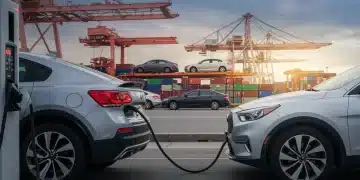
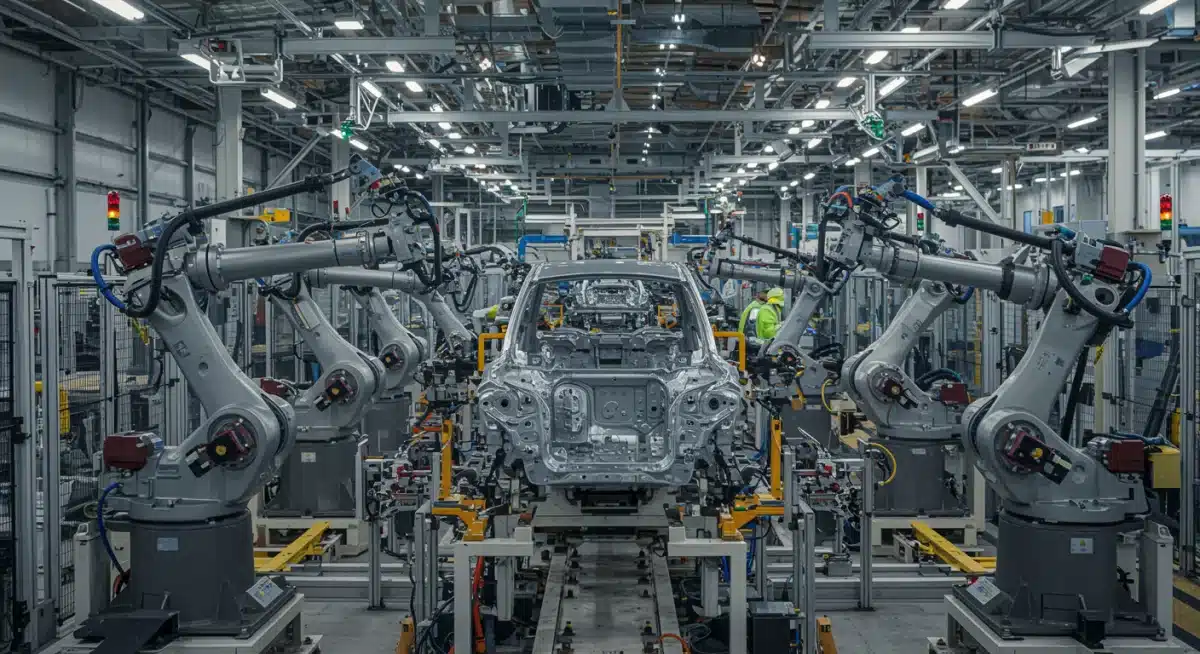
Meeting the aggressive EV sales targets will necessitate a dramatic increase in production capacity for electric vehicles and their components. This includes batteries, electric motors, and charging systems. Manufacturers are already investing billions in new EV factories and battery plants, often forming partnerships to secure critical raw materials and technological expertise.
- Increased EV Production: Automakers are reallocating resources to scale up EV manufacturing lines, often converting existing facilities or building new ones.
- Battery Supply Chain Focus: Securing a stable and ethical supply of battery raw materials (lithium, cobalt, nickel) is paramount, leading to new partnerships and direct investments in mining and refining.
- Workforce Retraining: The shift to EV production requires a different skill set, leading to significant investments in retraining the existing workforce and hiring new talent.
- Component Localization: Efforts are underway to localize the production of EV components within North America to reduce reliance on foreign supply chains and qualify for incentives.
The regulations are effectively forcing a structural transformation of the automotive supply chain. Every tier of suppliers, from raw material providers to component manufacturers, must adapt to the new demands of an electrified future. This involves not only technological changes but also logistical and economic adjustments across the entire industry.
Consequences for US Consumers: Price, Choice, and Infrastructure
For the average American consumer, the EPA’s 2025 EV emissions regulations will bring about noticeable changes in the automotive market. While the long-term goal is a cleaner environment and potentially lower running costs for vehicles, the transition period will involve adjustments in vehicle availability, pricing, and the expansion of supporting infrastructure. Consumers can expect a broader selection of electric vehicles across various segments, but initial prices might remain a consideration for some.
The push for electrification will inevitably influence the types of vehicles available on dealership lots. As manufacturers prioritize EV production to meet regulatory targets, the variety of gasoline-powered models, particularly those with lower fuel efficiency, might decrease. This shift aims to nudge consumers towards electric options through sheer availability.
Affordability and Incentives
One of the primary concerns for consumers is the upfront cost of electric vehicles. While battery costs are declining, EVs generally have a higher purchase price than comparable ICE vehicles. The EPA regulations, by driving higher production volumes, are expected to contribute to further economies of scale, eventually making EVs more affordable. However, government incentives will likely remain crucial in bridging this price gap in the short to medium term.
- Federal Tax Credits: Continued availability of federal tax credits for eligible new and used EVs helps offset the purchase price for consumers.
- State and Local Incentives: Many states and local governments offer additional rebates, tax exemptions, or preferential treatment (e.g., HOV lane access) for EV owners.
- Reduced Running Costs: Lower fuel costs (electricity vs. gasoline) and often reduced maintenance requirements contribute to lower total cost of ownership over the vehicle’s lifespan.
- Used EV Market Growth: As new EV sales increase, the used EV market will expand, offering more affordable entry points for consumers.
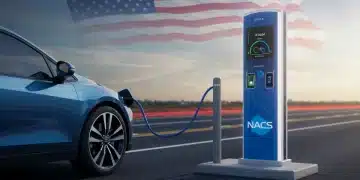
Beyond price, the expansion of charging infrastructure is critical for consumer confidence and widespread EV adoption. The regulations implicitly support the growth of charging networks by making EVs a more dominant force in the market. A robust and reliable charging ecosystem is essential to alleviate range anxiety and make EVs a practical choice for all drivers. This includes both public fast chargers and accessible home charging solutions.
Technological Advancements and Innovation Driven by Regulations
The EPA’s 2025 emissions regulations are not just about compliance; they are a powerful engine for technological advancement and innovation within the automotive sector. Faced with stringent targets, manufacturers are compelled to invest heavily in research and development, pushing the boundaries of what’s possible in electric vehicle technology, battery efficiency, and charging solutions. This regulatory pressure fosters a competitive environment where innovation is key to both meeting standards and capturing market share.
The focus extends beyond simply producing more EVs; it encompasses making them better, more efficient, and more appealing to a broader consumer base. This includes improvements in battery density, faster charging capabilities, and the integration of smart technologies that optimize energy use and range.
Key Areas of Innovation
Several critical areas are seeing accelerated development due to these regulations. Battery technology, being the heart of any EV, is at the forefront. Advances in chemistry, packaging, and manufacturing processes are leading to lighter, more powerful, and longer-lasting batteries. This directly translates into increased range and reduced charging times for consumers.
- Battery Technology: Development of solid-state batteries, improved lithium-ion chemistries, and enhanced thermal management systems for greater efficiency and safety.
- Charging Infrastructure: Innovations in ultra-fast charging, wireless charging, and smart grid integration to handle increased demand and enhance user convenience.
- Powertrain Efficiency: Optimization of electric motors, power electronics, and regenerative braking systems to maximize energy conversion and minimize losses.
- Vehicle Lightweighting: Use of advanced materials and design techniques to reduce vehicle weight, thereby improving efficiency and range without compromising safety.
Furthermore, the regulations are spurring innovation in software and connectivity. Smart charging solutions, vehicle-to-grid (V2G) capabilities, and advanced driver-assistance systems (ADAS) that optimize routes for energy efficiency are becoming increasingly prevalent. These technological leaps benefit not only the environment but also enhance the overall driving experience for consumers, making EVs more attractive and functional.
Challenges and Potential Roadblocks for Implementation
While the EPA’s 2025 EV emissions regulations aim for a greener future, their implementation is not without significant challenges and potential roadblocks. Both manufacturers and the wider ecosystem face hurdles that could affect the pace and success of the transition. Addressing these issues proactively will be crucial for the smooth integration of electric vehicles into the mainstream market.
One of the primary concerns for manufacturers is the sheer scale of the transformation required. Reorienting production lines, securing vast quantities of critical raw materials, and retraining a workforce are monumental tasks. The global supply chain, already fragile, could face additional strain as demand for EV components skyrockets.
Overcoming Obstacles
The cost of investment for manufacturers is enormous, and balancing this with consumer affordability is a delicate act. If the cost of producing EVs remains too high, or if incentives diminish prematurely, it could slow down consumer adoption, making it difficult for manufacturers to meet their regulatory targets. Furthermore, the development of a robust charging infrastructure needs to keep pace with EV sales; a lack of accessible and reliable charging can deter potential buyers.
- Raw Material Sourcing: Ensuring a stable, ethical, and cost-effective supply of battery raw materials like lithium, cobalt, and nickel is a continuous challenge.
- Charging Infrastructure Deployment: The pace of public and private charging station installation must accelerate significantly to support growing EV fleets.
- Grid Capacity and Modernization: The electricity grid needs substantial upgrades to handle increased demand from EV charging, especially during peak hours.
- Consumer Acceptance and Education: Overcoming range anxiety, educating consumers on EV benefits, and addressing misconceptions are vital for broader adoption.
Political and economic factors also play a role. Shifting government policies, international trade relations impacting supply chains, and economic downturns could all create headwinds for the EV transition. Navigating these complexities will require careful planning, collaboration between industry and government, and sustained investment to ensure the regulations achieve their intended environmental and economic benefits.
Broader Economic and Environmental Implications
The EPA’s 2025 EV emissions regulations extend far beyond the immediate automotive sector, carrying significant broader economic and environmental implications for the United States. This regulatory push is a cornerstone of the nation’s strategy to combat climate change, but it also has the potential to reshape industrial landscapes, create new job markets, and influence energy policy.
Environmentally, the most direct benefit is a substantial reduction in greenhouse gas emissions and air pollutants from transportation. As more EVs replace gasoline-powered vehicles, urban air quality is expected to improve, leading to public health benefits. This aligns with global efforts to decarbonize and transition to cleaner energy sources.
Economic Shifts and New Opportunities
Economically, the shift to EVs necessitates massive investments in domestic manufacturing, from battery production to vehicle assembly. This can lead to job creation in new sectors and revitalize existing industrial regions. However, it also implies a decline in jobs related to traditional internal combustion engine technology, requiring workforce retraining and strategic planning.
- Job Creation: Growth in EV manufacturing, battery production, charging infrastructure development, and related services creates new employment opportunities.
- Reduced Oil Dependency: A significant shift to EVs lessens the nation’s reliance on fossil fuels, enhancing energy security and reducing vulnerability to global oil price fluctuations.
- Investment in Green Technology: The regulations stimulate investment in renewable energy sources to power EVs, fostering innovation in smart grid technologies and energy storage.
- Global Competitiveness: By accelerating EV adoption, the U.S. automotive industry can maintain or enhance its competitive edge in the global market for future mobility solutions.
The regulations also encourage a deeper look at the entire lifecycle of vehicles, including battery recycling and sustainable sourcing of materials. This creates opportunities for new industries focused on circular economy principles, further bolstering the economic benefits. Ultimately, the EPA’s regulations are a deliberate move towards a more sustainable and economically resilient future, albeit one that requires careful management of the transition.
Future Outlook and Long-Term Trajectory
Looking beyond 2025, the EPA’s emissions regulations set a clear long-term trajectory for the automotive industry in the United States. These rules are not isolated but part of a continuous effort to drive electrification and decarbonization. The initial 2025 targets are stepping stones towards even more stringent standards in subsequent years, signaling an irreversible commitment to electric vehicles as the dominant form of personal transportation.
Manufacturers are already planning for these future requirements, with many announcing ambitious goals to phase out gasoline vehicle production entirely in the coming decades. This forward-looking approach is essential for long-term strategic planning and ensures that the industry remains aligned with environmental objectives and evolving consumer preferences.
Evolving Landscape
The long-term outlook suggests a market dominated by electric vehicles, with continuous innovation in battery range, charging speed, and vehicle performance. As EV technology matures and production scales further, the cost parity with traditional vehicles is expected to be achieved, making EVs the default choice for many consumers without the need for significant incentives.
- Continued Policy Evolution: Expect future iterations of EPA regulations to become even more ambitious, reinforcing the push towards full electrification.
- Advanced Battery Technologies: Breakthroughs in battery chemistry and manufacturing will lead to even longer ranges, faster charging, and greater durability.
- Smart City Integration: EVs will play a crucial role in smart city initiatives, including autonomous driving, vehicle-to-grid capabilities, and integrated public transportation systems.
- Global Alignment: U.S. regulations will increasingly align with international standards, fostering a global market for EV technology and components.
The long-term trajectory points towards a transportation system that is not only cleaner but also more efficient, connected, and sustainable. The EPA’s 2025 regulations are a critical inflection point, accelerating this inevitable shift and laying the groundwork for a future where electric vehicles are the norm, benefiting both the planet and the consumer in the long run.
| Key Aspect | Brief Description |
|---|---|
| Regulatory Goal | Significantly reduce greenhouse gas emissions from light-duty vehicles by setting stricter CO2 limits. |
| Manufacturer Impact | Accelerated EV production, significant R&D investment, and supply chain adjustments to meet targets and avoid penalties. |
| Consumer Impact | Increased EV availability, potential shifts in vehicle pricing, and expansion of charging infrastructure. |
| Technological Drive | Spurs innovation in battery technology, charging solutions, and overall EV efficiency and performance. |
Frequently Asked Questions About EPA’s 2025 EV Regulations
The EPA’s 2025 regulations aim to significantly reduce greenhouse gas emissions from light-duty vehicles in the United States. They set stringent CO2 limits, effectively compelling automakers to increase the production and sale of electric vehicles to meet fleet-wide emissions targets and foster a cleaner transportation sector.
Manufacturers will face pressure to accelerate EV development and production, invest heavily in R&D for battery technology, and adjust their supply chains. It will likely lead to increased capital expenditure, workforce retraining, and a strategic shift towards electrification to avoid substantial penalties for non-compliance.
Consumers can anticipate a wider selection of EV models across various segments. While initial EV costs might be higher, increased production volumes driven by regulations are expected to lead to greater affordability over time, supported by federal and state incentives, and reduced running costs.
The regulations implicitly support the expansion of charging infrastructure, as a robust network is crucial for widespread EV adoption. Significant investments are being made in public and private charging solutions, but continuous growth and modernization of the electricity grid are essential to keep pace with demand.
The 2025 regulations are a critical component of a broader, long-term strategy by the EPA to achieve substantial emissions reductions by 2050. They represent a continuous trajectory towards decarbonization and full electrification of the transportation sector, with future regulations likely to become even more stringent.
Conclusion
The EPA’s new EV emissions regulations for 2025 mark a significant turning point for the American automotive industry and its consumers. These mandates are poised to accelerate the transition to electric vehicles, driving profound changes in manufacturing processes, technological innovation, and market dynamics. While challenges such as supply chain management and infrastructure development persist, the long-term benefits of reduced emissions, enhanced energy security, and a more sustainable transportation system are clear. Both manufacturers and consumers will need to adapt to this evolving landscape, ultimately fostering a greener, more electrified future for the United States.