2026 EV Battery Degradation: A 3-Year Projection for Optimal Performance
Understanding 2026 EV Battery Degradation: A 3-Year Projection for Optimal Performance
The dawn of electric vehicles has ushered in a new era of sustainable transportation. As more consumers embrace EVs, a critical question often arises: what is the expected EV battery degradation, and how will it impact performance in the coming years? With 2026 just around the corner, prospective and current EV owners are keenly interested in understanding the long-term viability of their vehicle’s most expensive component: the battery. This comprehensive guide will delve into the anticipated degradation patterns, the underlying science, and practical strategies to mitigate battery aging, ensuring your EV performs optimally for years to come.
Electric vehicle batteries, predominantly lithium-ion, are marvels of modern engineering. They power our journeys with zero tailpipe emissions, offering a cleaner, quieter driving experience. However, like all batteries, they are subject to degradation over time. This isn’t a flaw in design but an inherent characteristic of electrochemical systems. Understanding the nuances of EV battery degradation is crucial for managing expectations, making informed purchase decisions, and adopting best practices for battery care.
Our focus today extends to a 3-year projection, looking specifically at what 2026 might hold for EV battery health. We’ll explore how current trends, technological advancements, and user habits will shape the landscape of battery performance. This isn’t just about predicting the future; it’s about empowering EV owners with the knowledge to actively influence their battery’s longevity and efficiency.
What is EV Battery Degradation?
At its core, EV battery degradation refers to the irreversible loss of capacity and power that a battery experiences over its lifetime. This means that an older battery will hold less charge and deliver less power than a new one. For an electric vehicle, this translates directly to a reduced driving range and potentially slower acceleration, although the latter is less common in the early stages of degradation.
The Science Behind Battery Aging
Lithium-ion batteries operate by the movement of lithium ions between the anode and cathode through an electrolyte. Degradation occurs due to several complex electrochemical and mechanical processes:
- Loss of Lithium Inventory: During charging and discharging cycles, some lithium ions can become trapped or react with the electrolyte, forming a Solid Electrolyte Interphase (SEI) layer. While a stable SEI layer is necessary for battery function, its continued growth consumes active lithium, reducing the battery’s capacity.
- Loss of Active Material: Over time, the active materials in the electrodes can degrade or detach, reducing the surface area available for electrochemical reactions. This directly impacts the battery’s ability to store and release energy.
- Increased Internal Resistance: As degradation progresses, the internal resistance of the battery increases. This impedes the flow of current, leading to reduced power output and increased heat generation, which further accelerates degradation.
- Electrolyte Decomposition: The liquid electrolyte can decompose, especially at high temperatures or extreme states of charge, producing gases and other byproducts that can compromise battery performance and safety.
- Mechanical Stress: Repeated expansion and contraction of electrode materials during cycling can lead to micro-cracks and structural damage, contributing to the loss of electrical contact and active material.
These processes are not isolated; they often interact and exacerbate each other, leading to a gradual but inevitable decline in battery performance. The rate of this decline, however, is not uniform and can be significantly influenced by various factors.
Key Factors Influencing EV Battery Degradation by 2026
Several critical factors dictate the rate at which EV battery degradation occurs. Understanding these can help EV owners make informed decisions and adopt practices that extend battery life. By 2026, these factors will continue to be primary drivers of battery health.
1. Charging Habits
How and when you charge your EV has a profound impact on battery longevity. Over time, consistent fast charging (DCFC) can generate more heat and stress on the battery, accelerating degradation compared to slower AC charging. Similarly, regularly charging to 100% or discharging to very low levels (below 20%) can put additional strain on the lithium-ion cells. The sweet spot for optimal battery health often lies in keeping the charge level between 20% and 80%, especially for daily driving.
2. Temperature Exposure
Temperature is perhaps the most significant environmental factor affecting EV battery degradation. Both extreme heat and extreme cold can negatively impact battery life. High temperatures accelerate chemical reactions within the battery, leading to faster degradation. Conversely, very low temperatures can reduce efficiency and put stress on the battery during charging and discharging, although the long-term degradation effects are typically less severe than with high heat.
Modern EVs come equipped with sophisticated thermal management systems (TMS) to regulate battery temperature, especially during charging and aggressive driving. However, prolonged exposure to extreme ambient temperatures, such as parking in direct sunlight in a hot climate or leaving the car ungaraged in freezing conditions, can still have an impact.
3. Driving Style
Aggressive driving, characterized by frequent hard acceleration and heavy braking, demands more power from the battery, leading to increased heat generation and deeper discharge cycles. While EVs are designed to handle these demands, consistently pushing the battery to its limits can contribute to faster degradation compared to a smoother, more moderate driving style.
4. Mileage and Age
It’s intuitive that a battery used more will degrade more. The number of charge and discharge cycles directly correlates with degradation. Higher mileage typically means more cycles, hence more degradation. However, age also plays a role, even if the vehicle isn’t driven extensively. Calendar aging, or simply the passage of time, contributes to degradation due to inherent chemical processes occurring within the battery, regardless of use.
5. Battery Management Systems (BMS)
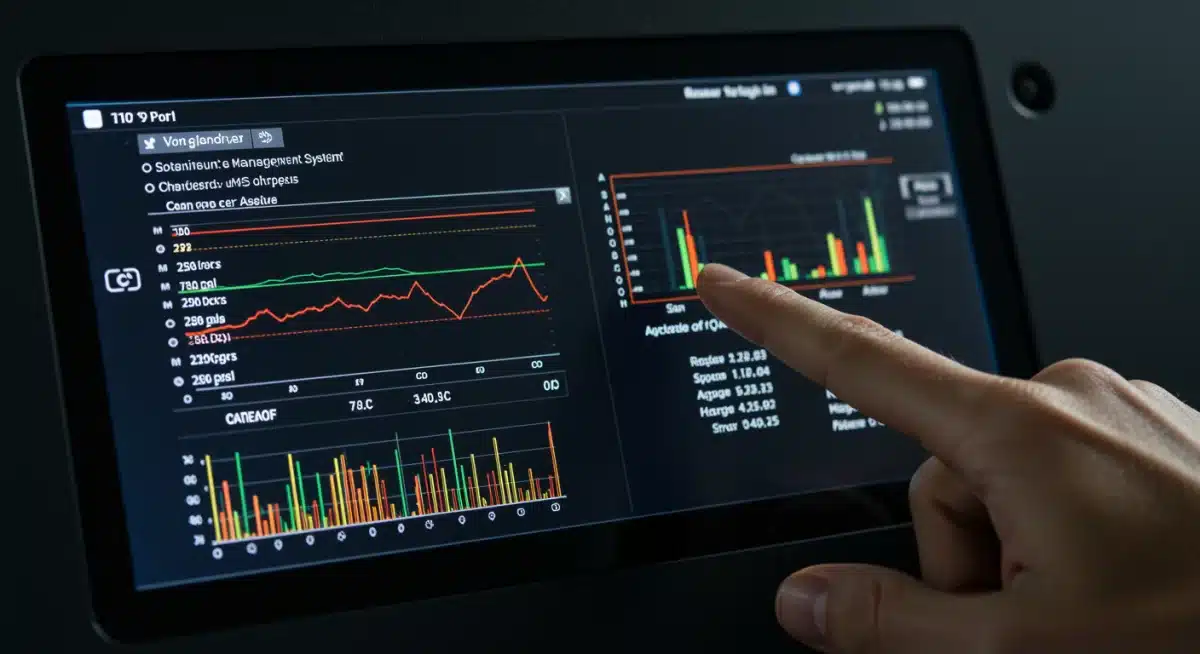
The sophistication of an EV’s Battery Management System (BMS) is crucial. A well-designed BMS actively monitors cell voltage, temperature, and current, balancing cells and protecting the battery from overcharging, over-discharging, and overheating. Advanced BMS technologies are continuously evolving, playing a vital role in slowing down EV battery degradation and maximizing battery lifespan.
Projected EV Battery Degradation by 2026
Based on current data, technological advancements, and expert predictions, we can make some informed projections about EV battery degradation by 2026. It’s important to note that these are general trends, and individual vehicle performance will vary based on the factors discussed above.
General Trends and Expectations
Historically, early EV batteries showed higher degradation rates. However, with continuous improvements in battery chemistry, thermal management, and BMS software, modern EV batteries are proving to be remarkably durable. Many manufacturers offer warranties of 8 years or 100,000 miles (or more) for their batteries, guaranteeing a certain percentage of original capacity (e.g., 70%). This indicates a high level of confidence in battery longevity.
By 2026, it is projected that the average EV battery will experience a capacity loss of approximately 5% to 15% after 3 to 5 years of typical use. For a vehicle purchased in 2023 or 2024, this means that by 2026, its battery capacity might still be well within the 85-95% range of its original capacity. This is a significant improvement over earlier generations of EVs.
Impact of Technological Advancements
The continuous innovation in battery technology is a major driver in mitigating EV battery degradation. By 2026, we expect to see wider adoption of:
- Improved Cathode and Anode Materials: Research into new materials like silicon-anode batteries and nickel-rich cathodes aims to increase energy density and cycle life while reducing degradation.
- Better Electrolytes: Solid-state electrolytes, for example, promise greater stability, higher energy density, and improved safety, which can significantly reduce degradation mechanisms associated with liquid electrolytes.
- Advanced Thermal Management: More efficient and intelligent cooling and heating systems will further optimize battery operating temperatures, minimizing the impact of environmental extremes.
- Smarter BMS Algorithms: AI and machine learning are being integrated into BMS to predict degradation, optimize charging and discharging cycles based on driving patterns, and proactively manage battery health.
These advancements suggest that while degradation is inevitable, its rate will continue to slow, making EVs even more appealing for long-term ownership.
Real-World Data and Case Studies
Several studies and real-world data analyses support these projections. For instance, data from thousands of Tesla vehicles shows an average degradation of about 10% after 100,000 miles. Similarly, Nissan Leaf owners, particularly those in warmer climates, have seen varied degradation, but newer models with improved battery chemistry and thermal management show better performance. These real-world observations provide a strong foundation for our 2026 projections, indicating a robust future for EV battery health.
Mitigating EV Battery Degradation: Best Practices for Owners
While technological advancements are crucial, EV owners also play a significant role in preserving their battery’s health. By adopting a few best practices, you can significantly slow down EV battery degradation and ensure your vehicle maintains its range and performance for longer.
1. Optimize Charging Habits
- Avoid Regular Full Charges (100%): For daily driving, aim to charge your battery to around 80-90%. This reduces stress on the cells. Only charge to 100% when you need the full range for a long trip.
- Avoid Deep Discharges (Below 20%): Try to plug in your EV before the charge level drops below 20%. Operating at very low states of charge can be detrimental to battery health.
- Minimize DC Fast Charging: While convenient for long journeys, frequent DC fast charging generates more heat and can accelerate degradation. Use Level 2 (AC) charging for daily needs whenever possible.
- Charge Immediately After a Long Trip: If you’ve charged to 100% for a long trip, try to use some of that charge relatively quickly rather than letting it sit at 100% for extended periods.
2. Manage Temperature Exposure
- Park in the Shade: In hot climates, parking your EV in the shade or a garage can significantly reduce battery temperature.
- Pre-condition Your Cabin: Many EVs allow you to pre-condition the cabin while still plugged in. This uses grid power to cool or heat the battery to an optimal operating temperature, rather than drawing power directly from the battery itself.
- Avoid Extreme Cold Storage: If possible, avoid leaving your EV in extremely cold temperatures for prolonged periods, especially if the battery is low.
3. Adopt a Smooth Driving Style
While the instant torque of an EV is exhilarating, frequent hard acceleration and regenerative braking can put more stress on the battery. A smoother, more gradual driving style not only conserves energy but also reduces the heat generated within the battery, contributing to slower EV battery degradation.
4. Monitor Battery Health
Many EVs provide detailed information about battery health through their infotainment systems or companion apps. Keep an eye on your estimated range and any reported capacity loss. Third-party apps and diagnostic tools can also provide more in-depth insights into your battery’s state of health (SOH).
5. Software Updates
Manufacturers frequently release over-the-air (OTA) software updates that can include improvements to the BMS, charging algorithms, and thermal management strategies. Ensuring your EV’s software is always up-to-date can help optimize battery performance and extend its life.
The Role of New Battery Technologies in 2026 and Beyond
The future of EV batteries is incredibly dynamic, with ongoing research and development promising even greater resilience against degradation. By 2026, we anticipate several emerging technologies to play a more prominent role, further enhancing battery longevity and performance.
Solid-State Batteries
Solid-state batteries are often hailed as the ‘holy grail’ of battery technology. By replacing the liquid electrolyte with a solid one, they offer several advantages:
- Reduced Degradation: Solid electrolytes are inherently more stable and less prone to the decomposition and dendrite formation that plague liquid electrolytes, significantly reducing degradation.
- Higher Energy Density: This translates to longer driving ranges for the same battery size or smaller, lighter battery packs.
- Improved Safety: Eliminating flammable liquid electrolytes reduces the risk of thermal runaway and fires.
While still facing manufacturing challenges, some solid-state battery technologies are expected to begin commercialization in niche applications by 2026, with wider adoption in EVs following shortly after. Their impact on EV battery degradation could be revolutionary.
Silicon Anodes
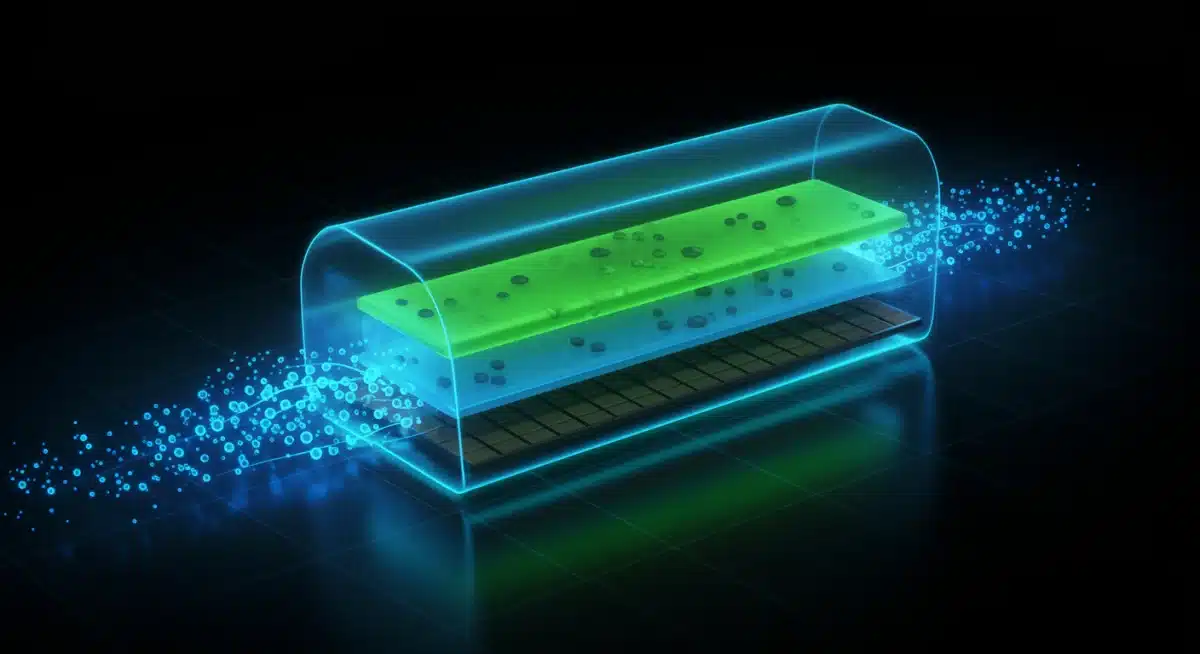
Current lithium-ion batteries often use graphite anodes. Silicon, however, has a much higher theoretical energy capacity. Incorporating silicon into anodes can dramatically increase battery energy density. The challenge lies in silicon’s tendency to expand and contract significantly during cycling, leading to mechanical stress and degradation. However, ongoing research into nanostructured silicon and composite materials is making silicon anodes more viable, with some manufacturers already integrating small percentages of silicon. By 2026, we could see more robust silicon-anode technologies that contribute to both higher range and reduced degradation.
Lithium Iron Phosphate (LFP) Batteries
LFP batteries, while having a slightly lower energy density than NMC (Nickel Manganese Cobalt) chemistries, offer excellent cycle life, thermal stability, and are generally less prone to degradation, especially with frequent 100% charging. Their lower cost and robustness are making them increasingly popular, particularly in standard range EVs. By 2026, LFP batteries are expected to be a common choice for many EV models, offering a compelling balance of cost, safety, and longevity with minimal EV battery degradation.
Advanced Battery Management Systems (BMS) with AI
The intelligence of the BMS will continue to evolve. Future BMS will leverage artificial intelligence and machine learning to predict individual cell degradation, optimize charging and discharging strategies in real-time based on environmental conditions and driver behavior, and perform predictive maintenance. This proactive management will play a crucial role in extending battery life and minimizing the effects of EV battery degradation.
The Economic Implications of EV Battery Degradation
Understanding EV battery degradation isn’t just a technical exercise; it has significant economic implications for both consumers and the automotive industry.
Resale Value
The health of an EV’s battery is the primary determinant of its resale value. A vehicle with a well-maintained battery showing minimal degradation will command a higher price in the used car market. As more EVs enter the secondary market by 2026, buyers will become increasingly savvy about battery health, making it a key selling point.
Warranty Considerations
Most EV manufacturers provide substantial warranties on their batteries, typically guaranteeing a minimum capacity (e.g., 70%) for 8 years or 100,000 miles. This provides a safety net for owners. However, understanding what constitutes degradation covered by warranty (e.g., manufacturing defects vs. normal wear and tear) is important. By 2026, as more vehicles approach the end of their warranty periods, the clarity and scope of these guarantees will become even more critical.
Battery Replacement Costs
While rare, battery replacement can be a significant expense. However, battery costs are continuously decreasing, and by 2026, the cost of a replacement battery pack is expected to be substantially lower than today. Furthermore, the concept of battery refurbishment or individual module replacement is gaining traction, offering more affordable alternatives to a full pack replacement.
Second-Life Applications
Even when an EV battery’s capacity drops too low for automotive use, it often retains sufficient capacity for ‘second-life’ applications, such as stationary energy storage for homes or grid support. This not only adds value to the battery’s lifecycle but also reduces the environmental impact of disposal. By 2026, the infrastructure for second-life battery applications is expected to be more robust, providing additional economic value for older EV batteries.
Conclusion: A Bright Future for EV Battery Longevity
The conversation around EV battery degradation is a natural and important one as electric vehicles become mainstream. Our 3-year projection to 2026 reveals a landscape of increasing battery longevity and performance, driven by relentless technological innovation and a growing understanding of optimal battery care.
While degradation is an inherent aspect of battery chemistry, its impact is steadily diminishing. Modern EVs, equipped with sophisticated thermal management and advanced Battery Management Systems, are designed to minimize capacity loss over many years and tens of thousands of miles. By 2026, the average EV battery is expected to retain a significant portion of its original capacity, providing ample range and performance for most drivers.
Moreover, active participation from EV owners through smart charging habits, temperature management, and smooth driving can further extend battery life, ensuring that their investment remains robust and reliable. The continuous evolution of battery technologies, from solid-state designs to improved chemistries and AI-powered management, promises an even brighter future for EV battery longevity beyond 2026.
For those considering an EV purchase or current owners looking to maximize their vehicle’s lifespan, understanding these dynamics is key. The fear of rapid EV battery degradation is increasingly becoming a relic of the past, replaced by confidence in a technology that is not only environmentally friendly but also remarkably durable and economically sound for the long haul.