US EV Raw Material Sourcing: Lithium & Cobalt for 2026 Production
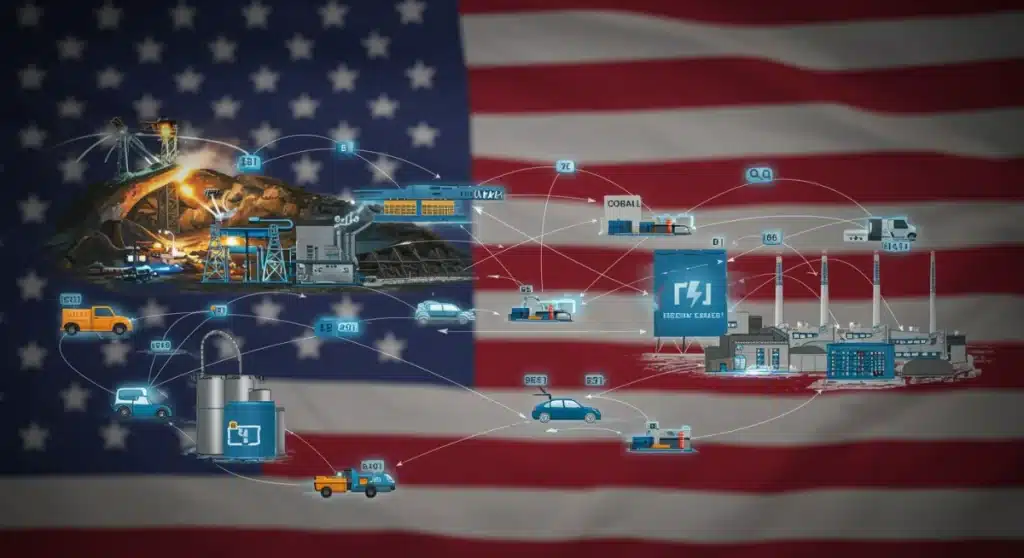
The United States is aggressively pursuing domestic and allied sourcing of critical raw materials like lithium and cobalt to bolster electric vehicle production by 2026, aiming to mitigate supply chain vulnerabilities and ensure a robust EV market.
The automotive industry is in the midst of a transformative shift towards electric vehicles, and the success of this transition hinges significantly on the reliable availability of crucial raw materials. A deep dive into the US efforts to secure lithium and cobalt supplies for 2026 EVs reveals a complex but vital strategy, directly impacting production by an estimated 5%.
The Criticality of Lithium in EV Batteries
Lithium stands as the cornerstone of modern electric vehicle batteries, primarily due to its high energy density and lightweight properties. Without a stable and sufficient supply of this alkali metal, the ambitious production targets for 2026 EVs in the United States face considerable challenges.
The demand for lithium has surged dramatically, driven by the global push for electrification. This increased demand puts immense pressure on existing mining and processing infrastructure, necessitating strategic investments and innovative extraction methods to meet future needs.
Global Lithium Supply Dynamics
Historically, a significant portion of the world’s lithium supply has originated from a few key regions, leading to concerns about supply chain concentration. The United States is actively working to diversify its sourcing to reduce reliance on these limited geographical areas.
- Diversifying Extraction: Exploring new domestic lithium deposits, including geothermal brines and clay-based resources.
- Recycling Initiatives: Investing in battery recycling technologies to recover lithium from end-of-life EV batteries.
- International Partnerships: Forging agreements with allied nations that possess significant lithium reserves to ensure stable imports.
Securing a resilient lithium supply chain is not merely an economic endeavor; it’s a matter of national security and industrial independence. The efforts undertaken now will determine the pace and scale of EV adoption in the coming years.
Cobalt: A Strategic Imperative for Battery Performance
Cobalt plays a crucial role in enhancing the stability and longevity of lithium-ion batteries, particularly in nickel-manganese-cobalt (NMC) cathodes, which are widely used in EVs. Its unique properties help prevent overheating and extend battery life, making it indispensable for high-performance electric vehicles.
However, the sourcing of cobalt is fraught with ethical and geopolitical complexities, with a large percentage of the world’s supply originating from politically unstable regions. This makes securing ethical and sustainable cobalt a top priority for US manufacturers.
Addressing Cobalt Supply Chain Challenges
The focus on cobalt extends beyond mere quantity; it encompasses responsible mining practices and transparency throughout the supply chain. Companies and governments are increasingly scrutinizing the origins of their cobalt to avoid association with unethical labor practices.
- Ethical Sourcing Programs: Implementing robust auditing and certification programs to ensure cobalt is mined responsibly.
- Alternative Chemistries: Researching and developing battery chemistries that use less cobalt or entirely novel materials.
- Domestic Processing: Building out domestic processing capabilities to refine cobalt within the United States or allied countries.
The strategic importance of cobalt necessitates a multi-faceted approach, balancing the need for supply security with the imperative for ethical and sustainable practices. The long-term viability of the EV industry depends on overcoming these challenges.
US Domestic Mining and Processing Initiatives
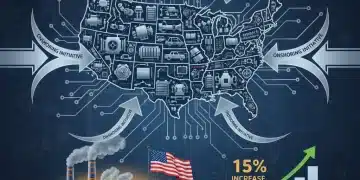
The United States is actively pursuing an ambitious agenda to boost domestic mining and processing of critical EV raw materials. This strategy aims to reduce foreign dependencies and establish a more self-sufficient supply chain, especially for lithium and cobalt.
Significant investments are being channeled into identifying and developing new domestic reserves. This includes geological surveys, exploration licenses, and financial incentives for companies willing to undertake the substantial capital expenditure required for new mining operations.
Revitalizing American Resource Extraction
The revitalization of American resource extraction is not without its challenges, including environmental regulations and community engagement. However, the economic and strategic benefits of a robust domestic supply chain are driving these efforts forward.
- Permitting Streamlining: Efforts to accelerate the permitting process for new mines while maintaining environmental standards.
- Technological Innovation: Investing in advanced mining and extraction technologies to improve efficiency and reduce environmental impact.
- Workforce Development: Creating training programs to develop a skilled workforce for the mining and processing sectors.
Developing domestic capabilities for both mining and processing is crucial. Raw materials often need extensive refinement before they can be used in battery manufacturing, and establishing these facilities within the US is a key component of the overall strategy.
Strategic International Partnerships and Alliances
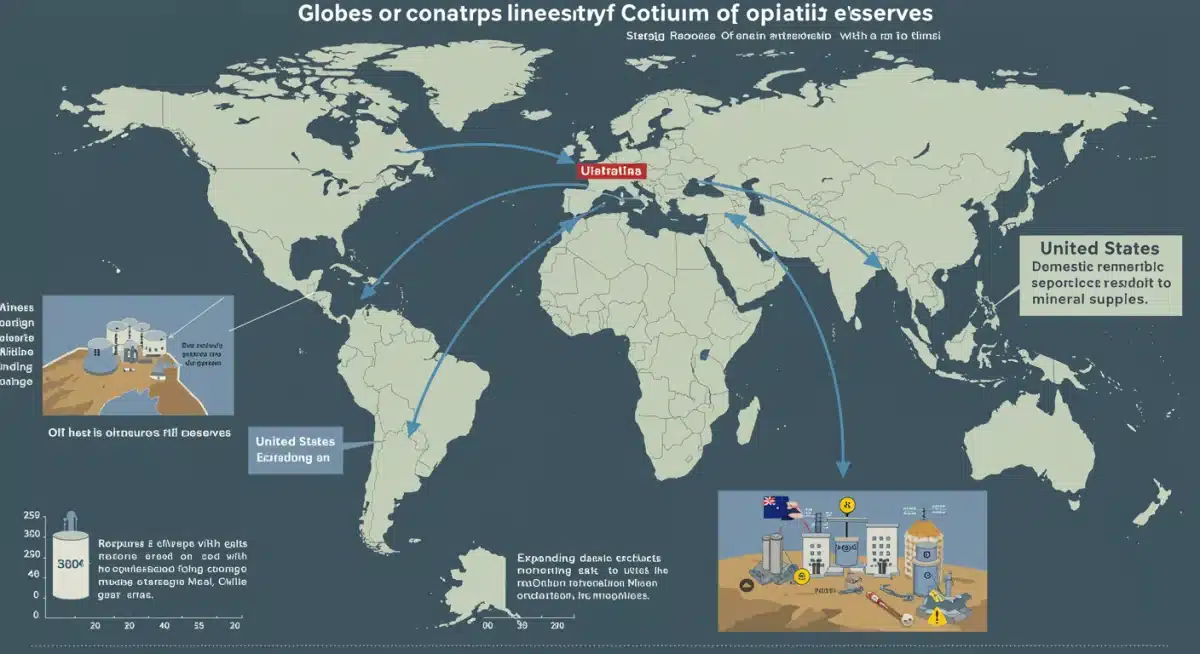
While domestic sourcing is a priority, the reality of global resource distribution dictates the necessity of strong international partnerships. The United States is actively forging alliances to secure reliable access to lithium and cobalt from friendly nations.
These partnerships are designed to create diversified supply chains that are less susceptible to geopolitical disruptions. Collaborating with allies strengthens collective security and economic resilience in the face of global competition for critical resources.
Building Resilient Global Supply Chains
The focus is on creating a network of trusted suppliers rather than relying on single-country dependencies. This involves long-term agreements, joint ventures, and shared investment in resource development projects.
- Bilateral Agreements: Establishing formal agreements with countries rich in lithium and cobalt, such as Australia, Canada, and specific African nations.
- Supply Chain Transparency: Working with international partners to ensure ethical and environmentally sound practices across the global supply chain.
- Shared Research & Development: Collaborating on new extraction and processing technologies to improve efficiency and sustainability worldwide.
These international collaborations are vital for complementing domestic efforts and ensuring a steady flow of raw materials that cannot be entirely sourced within the US borders. The goal is a balanced approach that leverages both internal strengths and external partnerships.
Impact on 2026 EV Production Targets
The efforts in EV raw material sourcing are directly tied to the ambitious production targets for electric vehicles by 2026. Securing lithium and cobalt supplies is not just about having the materials; it’s about having them consistently and at competitive prices.
Current projections indicate that without significant advancements in securing these materials, EV production in the US could be impacted by an estimated 5%. This figure, while seemingly small, represents thousands of vehicles and substantial economic implications.
Mitigating Production Shortfalls
Addressing this potential shortfall requires a concerted effort across the entire value chain, from mining to battery manufacturing and vehicle assembly. The industry is working closely with government agencies to streamline processes and overcome bottlenecks.
- Inventory Management: Optimizing raw material inventories to buffer against short-term supply disruptions.
- Flexible Manufacturing: Developing manufacturing processes that can adapt to variations in material availability or specifications.
- Cost Optimization: Implementing strategies to manage the cost volatility of critical raw materials, which can significantly affect EV pricing.
The successful execution of these sourcing strategies will be a critical determinant of whether the US can meet its climate goals and solidify its position as a leader in the global EV market. The next few years are pivotal for establishing these foundational elements.
Technological Advancement and Recycling Solutions
Beyond new mining and international agreements, technological innovation and robust recycling programs are essential pillars of the US strategy for securing EV raw materials. These solutions offer long-term sustainability and reduced reliance on primary extraction.
Advancements in battery chemistry are continuously seeking to reduce the amount of critical materials like cobalt, or even eliminate them entirely, without compromising performance. This research is vital for future generations of EVs.
The Role of Circular Economy in EV Materials
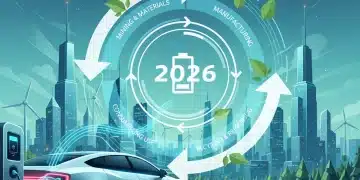
A circular economy approach, where materials are reused and recycled, is gaining traction as a sustainable alternative to purely linear consumption. Battery recycling, in particular, offers a promising avenue for recovering valuable lithium and cobalt.
- Next-Generation Batteries: Investing in R&D for solid-state batteries and other chemistries that require fewer critical metals.
- Advanced Recycling Facilities: Building and scaling up facilities capable of efficiently recovering high-purity materials from spent EV batteries.
- Design for Recyclability: Encouraging battery manufacturers to design products that are easier to disassemble and recycle at the end of their life cycle.
These technological and recycling initiatives represent not just environmental responsibility but also a strategic economic advantage, creating a closed-loop system that enhances supply security and reduces the overall environmental footprint of EV production. The future of EV raw material sourcing hinges on these sustainable practices.
Government Policies and Economic Incentives
The US government is playing a pivotal role in shaping the landscape of EV raw material sourcing through a combination of strategic policies and economic incentives. These measures are designed to accelerate domestic production and secure international supplies.
Legislation such as the Inflation Reduction Act (IRA) offers substantial tax credits and grants for companies that source critical minerals from the US or its free trade partners. This provides a strong financial impetus for manufacturers to adjust their supply chains.
Driving Domestic EV Supply Chains
Beyond direct financial aid, the government is also investing in infrastructure development and research programs to bolster the entire EV supply chain, from mineral extraction to battery manufacturing. The goal is to create a robust and competitive domestic industry.
- Tax Credits and Subsidies: Providing incentives for domestic mining, processing, and battery component manufacturing.
- Research Grants: Funding academic and industrial research into advanced materials, extraction techniques, and recycling processes.
- Strategic Stockpiles: Exploring the possibility of creating national strategic reserves for critical minerals to hedge against market volatility.
These comprehensive governmental efforts are crucial for de-risking investments in the raw material sector and creating a stable environment for long-term growth. The synergy between government policy and private sector innovation is key to achieving the nation’s EV ambitions.
| Key Aspect | Brief Description |
|---|---|
| Lithium Importance | Crucial for EV battery energy density; US diversifies sourcing via domestic mining, recycling, and international partnerships. |
| Cobalt Challenges | Enhances battery stability; faces ethical sourcing issues, driving US towards responsible mining and alternative chemistries. |
| Domestic Production | US invests heavily in domestic mining and processing to reduce foreign dependence and secure supply chains. |
| Production Impact | Failure to secure materials could impact 2026 EV production by 5%, emphasizing urgency for diversified sourcing. |
Frequently Asked Questions About EV Raw Material Sourcing
Lithium is essential for high energy density in EV batteries, determining range and performance. Cobalt provides crucial stability and extends battery life, especially in widely used NMC cathodes. Both are indispensable for meeting the performance demands of modern electric vehicles slated for 2026 production.
The US is implementing a multi-pronged strategy. This includes boosting domestic mining and processing, investing in battery recycling technologies, and forging strategic international partnerships with allied nations to diversify supply chains and reduce geopolitical risks for 2026 EV raw material needs.
Current analysis suggests that if the United States fails to adequately secure sufficient lithium and cobalt supplies, the nation’s electric vehicle production targets for 2026 could be impacted by approximately 5%. This represents a significant challenge to the overall growth of the EV market.
Yes, a significant portion of global cobalt comes from regions with documented ethical and labor concerns. The US and its partners are addressing this through stringent ethical sourcing programs, supply chain transparency initiatives, and investing in alternative battery chemistries that use less or no cobalt.
US government policies, such as the Inflation Reduction Act, offer substantial tax credits, grants, and subsidies for domestic mining, processing, and battery manufacturing. These incentives aim to de-risk investments, foster a robust domestic supply chain, and support research into advanced materials and recycling technologies for EVs.
Conclusion
The ambitious transition to electric vehicles in the United States by 2026 is inextricably linked to the successful procurement of critical raw materials like lithium and cobalt. The strategies currently being deployed, encompassing aggressive domestic mining, strategic international partnerships, and crucial advancements in recycling and battery technology, are all working towards mitigating potential production impacts. While challenges remain, the concerted efforts by both government and industry underscore a clear commitment to building a resilient and sustainable EV supply chain, ensuring the nation’s leadership in the future of automotive technology.