Autonomous EV Tech: US Regulatory Shifts by 2025
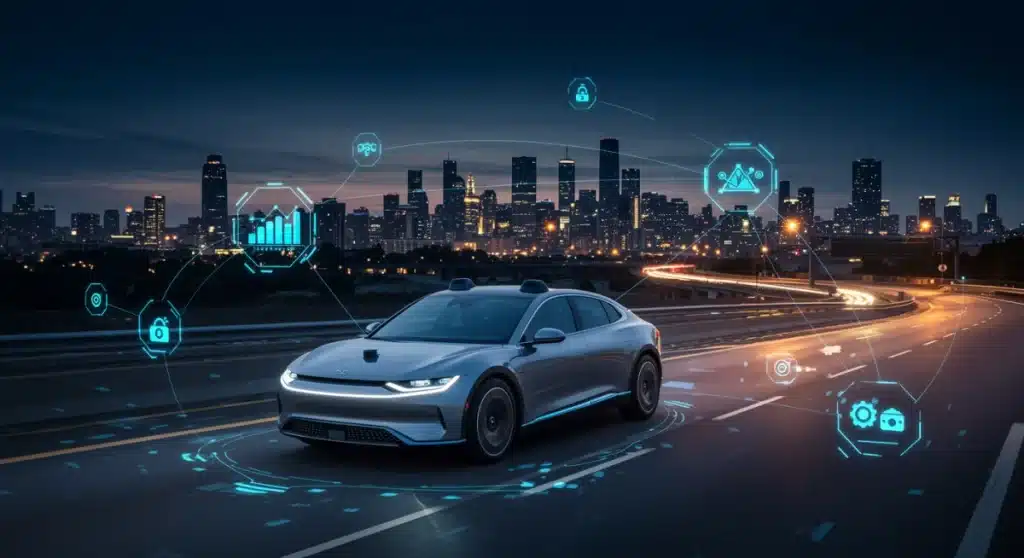
US regulatory changes by 2025 are poised to significantly impact the development and deployment of autonomous EV technology, fundamentally shaping the next generation of electric vehicles and redefining the landscape of personal transportation.
The convergence of electric vehicle (EV) innovation and autonomous driving capabilities is setting the stage for a revolution in transportation. As we approach 2025, the landscape for US EV Regulations 2025 is undergoing significant shifts, promising to profoundly shape the future of autonomous EV technology and the next generation of electric vehicles.
The evolving landscape of autonomous EV technology
Autonomous electric vehicles represent a paradigm shift, blending environmental sustainability with cutting-edge artificial intelligence. This evolution isn’t merely about self-driving cars; it encompasses a complete rethinking of urban planning, logistics, and personal mobility. The technology promises enhanced safety, reduced traffic congestion, and greater accessibility for all.
However, the journey to widespread adoption is complex, fraught with technical challenges and public apprehension. The sheer volume of data processing required for safe autonomous operation, coupled with the need for robust cybersecurity measures, presents significant hurdles. Furthermore, the ethical implications of AI decision-making in critical situations demand careful consideration and clear guidelines.
Key technological advancements driving autonomy
- Sensor Fusion: Combining data from cameras, radar, lidar, and ultrasonic sensors for a comprehensive environmental understanding.
- Artificial Intelligence and Machine Learning: Enabling vehicles to perceive, predict, and plan in real-time, learning from vast datasets.
- High-Definition Mapping: Providing precise localization and detailed road information crucial for navigation.
- Vehicle-to-Everything (V2X) Communication: Allowing vehicles to communicate with each other, infrastructure, and pedestrians, enhancing situational awareness.
The continuous improvement in these areas is accelerating the pace of autonomous EV development. Companies are investing heavily in research and development, pushing the boundaries of what’s possible. The integration of these technologies into electric platforms creates a synergy, where the efficient power delivery of EVs complements the sophisticated demands of autonomous systems. The outcome is a vehicle that is not only smart but also sustainable, offering a glimpse into the future of transportation.
Concluding this section, the rapid advancements in autonomous EV technology are undeniable, propelling us towards a future where vehicles are increasingly intelligent and interconnected. These innovations are laying the groundwork for a transformative period, necessitating robust regulatory frameworks to guide their safe and beneficial integration into society.
Current US regulatory framework for autonomous vehicles
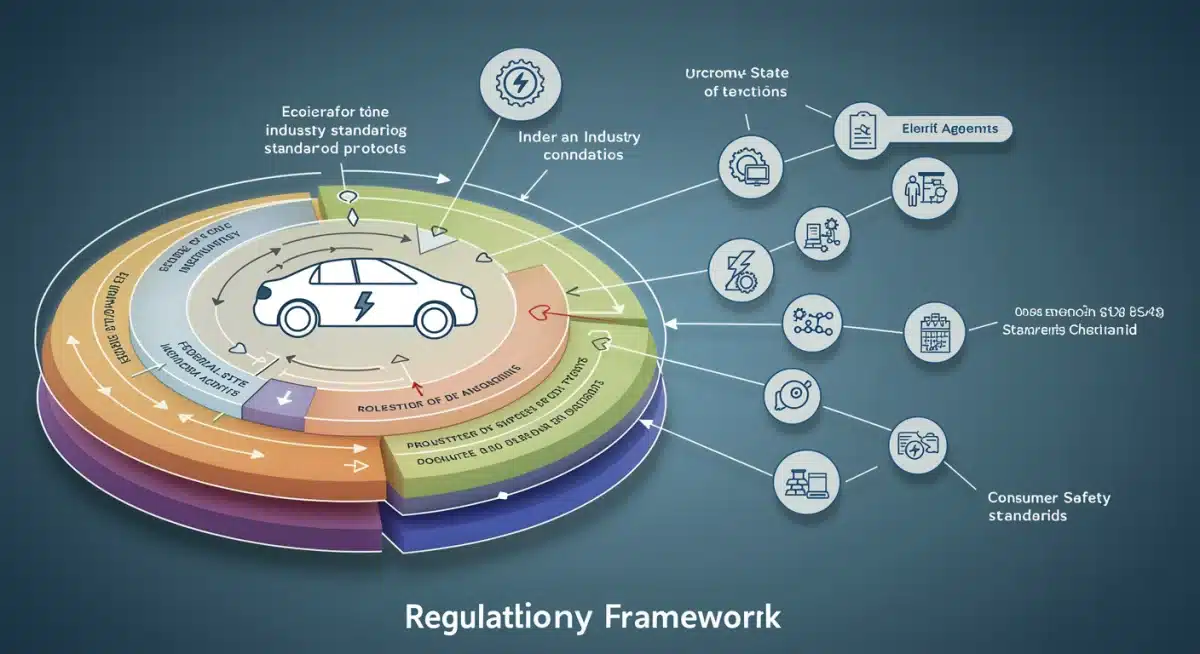
The regulatory environment for autonomous vehicles (AVs) in the United States is a patchwork of federal guidelines and state-specific laws, a reflection of the technology’s rapid development outstripping traditional legislative processes. Federal agencies, primarily the National Highway Traffic Safety Administration (NHTSA), set safety performance standards and recall authority, while states largely govern operational aspects like licensing, insurance, and traffic laws.
This decentralized approach has allowed for innovation but has also created a complex landscape for manufacturers and developers. The lack of a unified national standard can complicate testing and deployment across state lines, potentially hindering widespread adoption. Understanding these existing regulations is crucial for anticipating future changes and their impact on autonomous EV technology.
Federal involvement and NHTSA’s role
NHTSA’s role focuses on vehicle safety, issuing guidance documents and safety assessments rather than prescriptive regulations for AVs. Their approach has been to encourage innovation while ensuring safety through voluntary standards and oversight. This includes establishing frameworks for AV testing and deployment, emphasizing data collection and transparency from manufacturers.
However, critics argue that this hands-off approach may not be sufficient to address the unique challenges posed by AVs, particularly concerning cybersecurity, ethical decision-making, and the interaction between human drivers and autonomous systems. The agency is continually evaluating its stance, indicating potential shifts towards more concrete regulations as the technology matures.
State laws vary widely, with some states actively promoting AV testing and deployment through specific legislation, while others maintain more cautious approaches. This disparity underscores the need for greater federal coordination to create a more harmonized regulatory environment. The current framework, while allowing flexibility, also presents significant challenges for companies aiming to deploy autonomous EVs nationwide.
In conclusion, the present US regulatory structure for autonomous vehicles is characterized by a federal-state split, with NHTSA focusing on safety guidance and states managing operational rules. This creates both opportunities for innovation and complexities due to a lack of national uniformity, setting the stage for anticipated regulatory adjustments by 2025.
Anticipated US regulatory changes by 2025
As autonomous EV technology advances at an unprecedented pace, the US regulatory landscape is poised for significant transformation by 2025. The current fragmented approach is increasingly recognized as insufficient to support widespread deployment and ensure public trust. We anticipate a push towards more harmonized federal guidelines, aiming to provide clarity and predictability for manufacturers while prioritizing safety.
Discussions are already underway regarding comprehensive federal legislation that could standardize testing protocols, data reporting requirements, and operational definitions for autonomous driving levels. This shift would likely involve a more prescriptive role for NHTSA, moving beyond voluntary guidelines to mandatory standards for autonomous vehicle systems.
Potential areas of regulatory focus
- Standardized Testing and Validation: Establishing uniform methods for testing autonomous systems across different environments and scenarios.
- Data Recording and Sharing: Mandating event data recorders for autonomous vehicles and defining protocols for sharing critical incident data.
- Cybersecurity Standards: Developing robust regulations to protect autonomous vehicles from cyber threats and unauthorized access.
- Human-Machine Interaction: Guidelines for clear communication between autonomous systems and human occupants, especially during transitions of control.
The goal of these anticipated changes is not to stifle innovation but to create a predictable and safe environment for autonomous EV development and deployment. Industry stakeholders, consumer safety advocates, and government agencies are all contributing to these discussions, aiming for a balanced approach that fosters technological progress while safeguarding public interest. The outcome will significantly influence how autonomous EVs are designed, tested, and ultimately integrated into daily life.
In summary, 2025 is expected to bring substantial changes to US autonomous vehicle regulations, moving towards greater federal harmonization and more explicit safety standards. These changes will be critical for fostering broad adoption and ensuring the safe integration of autonomous EVs into the nation’s transportation infrastructure.
Impact on autonomous EV technology development
The impending regulatory changes by 2025 will undoubtedly exert a profound influence on the trajectory of autonomous EV technology development. Stricter, more unified federal guidelines could streamline the testing and deployment processes, offering manufacturers a clearer path to market. This clarity might accelerate investment in research and development, as companies gain greater confidence in the regulatory environment.
Conversely, overly burdensome regulations could inadvertently stifle innovation, particularly for smaller startups that may lack the resources to navigate complex compliance requirements. The sweet spot lies in crafting regulations that are robust enough to ensure safety and public trust, yet flexible enough to accommodate rapid technological advancements.
Challenges and opportunities for manufacturers
Manufacturers face a dual challenge: adapting their current development strategies to meet evolving regulatory demands while simultaneously pushing the boundaries of autonomous capabilities. This includes investing in advanced simulation tools, developing more sophisticated sensor suites, and enhancing the explainability of AI decision-making processes to meet potential audit requirements.
On the opportunity side, a clear regulatory framework could unlock significant market potential by fostering greater consumer acceptance. When the public trusts that autonomous EVs are rigorously tested and adhere to high safety standards, adoption rates are likely to increase. This, in turn, would create a more stable and lucrative market for manufacturers, encouraging further innovation.
The focus on cybersecurity within new regulations will also drive manufacturers to integrate robust security measures from the ground up, making autonomous EVs more resilient to cyber threats. This proactive approach will not only protect vehicle integrity but also safeguard sensitive user data, building essential trust with consumers.
Ultimately, the regulatory shifts will compel manufacturers to prioritize not just technological prowess but also comprehensive safety, ethical considerations, and robust cybersecurity. This holistic approach will shape the next generation of autonomous EVs, ensuring they are not only intelligent but also trustworthy and secure.
To conclude, regulatory changes will significantly influence autonomous EV development, presenting both challenges in compliance and opportunities for market growth and enhanced safety features. Manufacturers will need to strategically adapt to these evolving standards to thrive.
Shaping the next generation of electric vehicles
The confluence of advanced autonomous capabilities and electric propulsion is not just about incremental improvements; it’s about fundamentally reshaping the very definition of a vehicle. The next generation of electric vehicles, heavily influenced by the emerging regulatory landscape, will be characterized by seamless integration of hardware, software, and connectivity, creating a truly intelligent mobility platform.
These vehicles will move beyond mere transportation, becoming extensions of our digital lives, offering personalized experiences, and integrating into broader smart city ecosystems. The regulatory environment, particularly concerning data privacy and interoperability, will play a critical role in defining how these advanced features are implemented and managed.
The emphasis on safety and reliability within future regulations will drive innovations in redundant systems and fail-safe mechanisms, making these vehicles exceptionally robust. This will extend to battery technology, where regulations might push for greater standardization in charging infrastructure and battery health monitoring, further enhancing the EV ownership experience.
Key characteristics of future autonomous EVs
- Enhanced Safety Features: Proactive accident avoidance, advanced driver monitoring, and robust fail-operational systems.
- Personalized User Experience: AI-driven customization of cabin environment, infotainment, and route planning based on user preferences.
- Optimized Energy Management: Intelligent routing and charging based on real-time traffic, energy prices, and battery state of charge.
- Seamless Integration with Smart Infrastructure: Communication with traffic signals, charging stations, and other road users for optimized flow and efficiency.
The regulatory framework will not only govern the technical aspects but also influence the business models surrounding these vehicles. We might see regulations encouraging shared mobility services, impacting vehicle ownership patterns, and fostering a more sustainable transportation ecosystem. The shift towards a service-oriented model, rather than just product sales, could be significantly accelerated by supportive regulations.
In conclusion, the regulatory shifts are poised to fundamentally shape the next generation of electric vehicles, pushing towards highly integrated, safe, and intelligent platforms that redefine personal mobility and urban transportation within comprehensive smart city frameworks.
Consumer confidence and market adoption
Ultimately, the success of autonomous EV technology hinges on consumer confidence and widespread market adoption. Regulatory clarity and stringent safety standards are paramount in building this trust. A fragmented or ambiguous regulatory environment can breed uncertainty, making consumers hesitant to embrace these new technologies, regardless of their inherent benefits.
By 2025, anticipated federal regulations aim to provide a clearer, more unified message regarding the safety and reliability of autonomous EVs. This harmonization is expected to reassure the public, fostering a sense of security that is essential for accelerating adoption rates. Public education campaigns, supported by clear governmental guidelines, will also play a crucial role in demystifying autonomous driving.
The perception of safety is not just about preventing accidents; it’s also about addressing concerns related to data privacy, cybersecurity, and the ethical decision-making capabilities of AI systems. Regulations that explicitly address these areas will be vital in overcoming public skepticism and fostering a positive perception of autonomous EVs.
Factors influencing consumer acceptance
- Demonstrated Safety Record: Real-world performance data showcasing superior safety compared to human-driven vehicles.
- Clear Liability Framework: Understanding who is responsible in the event of an accident involving an autonomous vehicle.
- Affordability: Autonomous features becoming more cost-effective, making EVs accessible to a broader market.
- Ease of Use and Convenience: Seamless integration into daily life, offering tangible benefits over traditional driving.
Furthermore, the establishment of a robust testing and certification process, backed by federal oversight, will lend significant credibility to autonomous EV claims. Consumers need to know that these vehicles have undergone rigorous evaluation and meet specific performance benchmarks. This transparency will be a cornerstone of building enduring trust.
The market for autonomous EVs is still in its nascent stages, but with strategic regulatory interventions, coupled with continued technological advancements, we can expect to see a significant acceleration in adoption post-2025. This will not only transform individual mobility but also contribute to broader societal goals of safety, sustainability, and efficiency.
In essence, consumer confidence, largely influenced by clear and robust regulatory frameworks, is the linchpin for widespread market adoption of autonomous EV technology. By addressing safety, privacy, and liability concerns through unified standards, regulations can pave the way for a trusted and thriving autonomous EV market.
| Key Point | Brief Description |
|---|---|
| Regulatory Harmonization | Anticipated shift towards unified federal guidelines for autonomous EV deployment and safety. |
| Impact on Development | Regulations will streamline testing, enforce cybersecurity, and influence design for safety. |
| Next-Gen EVs | Future EVs will feature enhanced safety, personalized experiences, and smart infrastructure integration. |
| Consumer Confidence | Clear regulations are crucial for building trust and accelerating market adoption of autonomous EVs. |
Frequently asked questions about autonomous EV regulations
The main goals are to standardize safety protocols, establish clear operational guidelines, and foster a unified national framework. This aims to accelerate safe deployment, ensure public trust, and provide clarity for manufacturers in the rapidly evolving autonomous EV sector.
NHTSA is expected to transition from primarily issuing voluntary guidance to developing more prescriptive, mandatory safety standards for autonomous vehicle systems. This shift will provide stronger oversight and ensure a consistent baseline for all deployed autonomous EVs.
Manufacturers will face new requirements for testing, data reporting, and cybersecurity. While potentially challenging, these regulations also offer an opportunity to streamline market entry and build greater consumer trust through certified safety and reliability.
Not entirely. While federal regulations will likely set baseline standards, states may retain authority over specific operational aspects like local permits or specific traffic rules. The aim is a more harmonized system, reducing the current patchwork of state laws.
Clear, consistent regulations are crucial for building consumer confidence. By addressing safety, liability, and data privacy concerns, the new framework is expected to alleviate public skepticism and accelerate the widespread adoption of autonomous electric vehicles.
Conclusion
The journey towards a future dominated by autonomous electric vehicles is intricately linked with the evolution of its regulatory environment. As we approach 2025, the anticipated shifts in US regulations are not merely bureaucratic adjustments; they are foundational elements that will define the very essence of the next generation of electric vehicles. These changes promise to bring much-needed clarity, standardization, and a renewed focus on safety, ultimately accelerating the development and widespread adoption of autonomous EV technology. The collaboration between industry, government, and consumers will be paramount in crafting a future where intelligent, sustainable, and safe transportation is a reality for all.