US Grid Modernization: Powering EV Growth by 2025
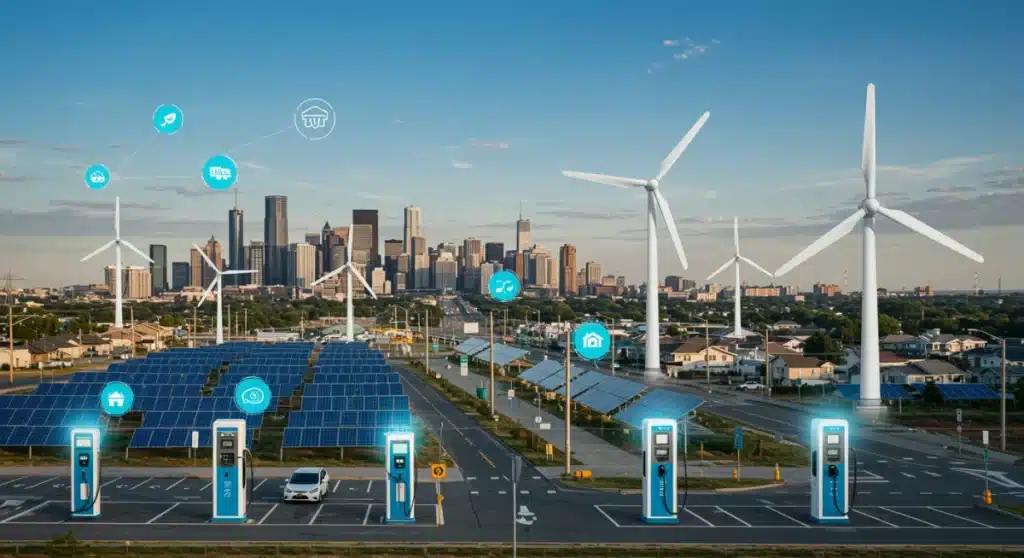
US grid modernization is crucial for supporting the projected 50% increase in EV adoption by 2025, with new infrastructure projects focusing on resilience, capacity, and smart technology integration.
The automotive landscape is undergoing a monumental shift, with electric vehicles (EVs) rapidly moving from niche status to mainstream adoption. This surge is not without its challenges, particularly concerning the existing power infrastructure. The question then arises: how will US Grid Modernization efforts and new infrastructure projects support a projected 50% increase in EV adoption by 2025? This article delves into the critical developments and strategies underpinning this transformation, ensuring the nation’s grid can confidently meet the escalating demands of an electrified future.
The imperative for grid modernization
The current electrical grid in the United States, largely built in the mid-20th century, was not designed to handle the dynamic and decentralized demands of a modern energy landscape. With the rapid proliferation of electric vehicles, the need for a more robust, flexible, and intelligent grid has become an urgent national priority. Without significant upgrades, the existing infrastructure risks becoming a bottleneck, hindering the full potential of EV adoption and broader decarbonization goals.
Grid modernization encompasses a wide array of technological advancements and strategic investments aimed at improving the reliability, security, and efficiency of electricity delivery. It involves integrating renewable energy sources, deploying smart grid technologies, and enhancing cybersecurity measures. For EV adoption, this means ensuring there’s enough power to charge millions of vehicles, and that this power is delivered reliably and efficiently, even during peak demand periods.
Aging infrastructure challenges
Many components of the US grid are decades old, making them susceptible to failures, outages, and inefficiencies. The sheer scale of replacing or upgrading these components is immense, requiring substantial financial investment and meticulous planning. Furthermore, the increasing frequency and intensity of extreme weather events exacerbate the vulnerabilities of an aging grid, posing significant threats to power supply stability.
- Outdated transmission lines leading to energy loss.
- Insufficient substation capacity for increased load.
- Lack of real-time monitoring and control capabilities.
- Vulnerability to cyberattacks and physical threats.
Addressing these challenges is paramount for the successful integration of electric vehicles. A modernized grid will not only support increased EV charging but also contribute to a more resilient and sustainable energy system for all consumers. The investments made today will shape the energy landscape for decades to come, enabling a cleaner, more electrified transportation sector.
Key infrastructure projects driving EV readiness
The push for US Grid Modernization is being propelled by a variety of key infrastructure projects across the nation. These initiatives are not just about building new power plants or transmission lines; they are fundamentally about reimagining how electricity is generated, distributed, and consumed. The goal is to create a grid that is not only capable of handling a 50% increase in EV adoption by 2025 but is also adaptable to future energy demands and technological advancements.
These projects often involve a combination of federal, state, and private sector investments, reflecting a broad recognition of the strategic importance of a modernized grid. The focus is on creating a more interconnected and responsive system that can seamlessly integrate intermittent renewable energy sources, manage bidirectional energy flows, and support distributed energy resources like rooftop solar and battery storage.
Investment in smart grid technologies
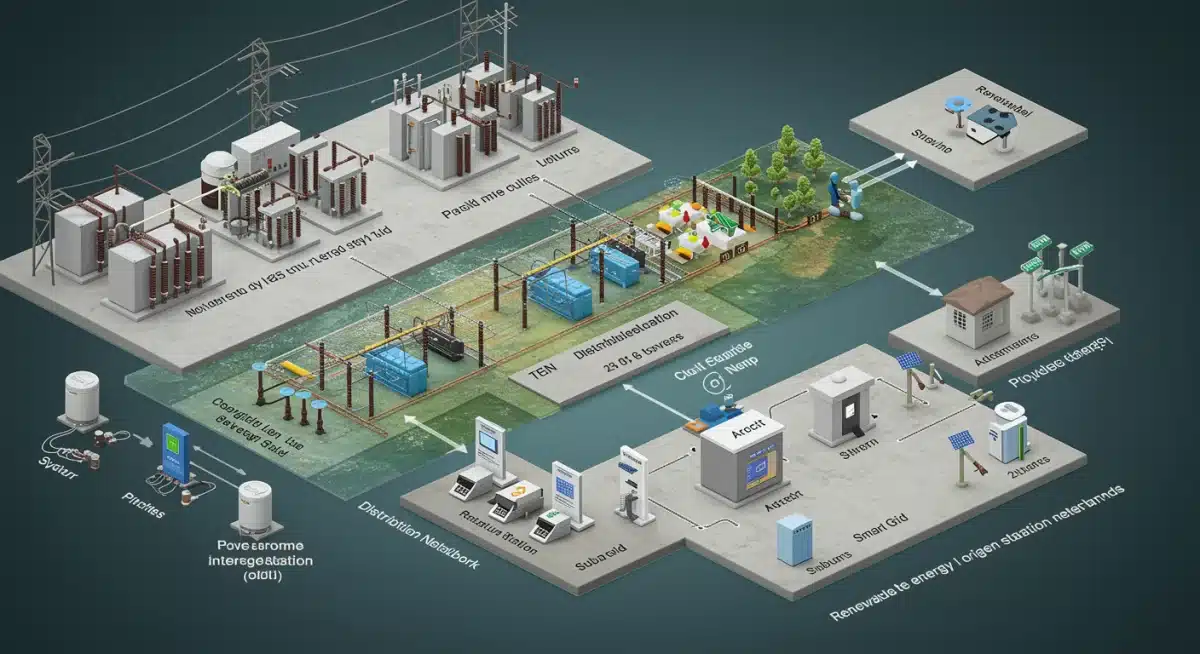
Smart grid technologies are at the heart of modernization efforts. These technologies use digital communications and advanced sensors to monitor and manage electricity flow in real-time. This allows utilities to identify and respond to outages more quickly, optimize energy distribution, and enable dynamic pricing mechanisms that can encourage off-peak EV charging.
- Deployment of smart meters for real-time data.
- Advanced distribution management systems (ADMS).
- Grid-scale battery storage solutions.
- Demand response programs for load balancing.
These technological upgrades are essential for creating a grid that is flexible enough to accommodate the variable load of EV charging without compromising overall stability. By leveraging data and automation, smart grids can proactively manage energy flows, preventing overloads and ensuring a consistent power supply to all consumers, including those charging their electric vehicles.
Integrating renewable energy sources
A significant aspect of US Grid Modernization, particularly in the context of supporting EV adoption, is the integration of renewable energy sources. As more electric vehicles hit the road, the demand for electricity will inevitably rise. Powering these vehicles with clean, renewable energy is crucial for achieving the environmental benefits associated with EVs and reducing reliance on fossil fuels. This integration requires substantial upgrades to the grid’s capacity and its ability to manage variable energy inputs.
The intermittent nature of many renewable sources, such as solar and wind, presents unique challenges for grid stability. Modernization efforts are therefore focused on developing sophisticated energy management systems, advanced forecasting tools, and robust energy storage solutions to balance supply and demand effectively. This ensures that even when the sun isn’t shining or the wind isn’t blowing, there’s always a reliable power source for EV charging and other energy needs.
Challenges and solutions for renewables
While the benefits of renewable energy are clear, their widespread integration isn’t without hurdles. The geographical distribution of renewable resources often doesn’t align with population centers, necessitating new transmission infrastructure. Additionally, the variability of output requires flexible grid operations and significant energy storage.
- Expanding high-voltage direct current (HVDC) transmission lines.
- Investing in grid-scale battery storage projects.
- Developing advanced weather forecasting for renewable generation.
- Implementing microgrids for localized energy resilience.
By addressing these challenges, the modernized grid will be able to harness a greater proportion of renewable energy, making EV charging not only more sustainable but also potentially more cost-effective in the long run. These efforts are vital for both environmental stewardship and energy independence.
Enhancing grid resilience and reliability
For electric vehicle owners, the reliability of the power grid is paramount. A sudden power outage can be more than just an inconvenience; it can leave a vehicle stranded. Therefore, a core objective of US Grid Modernization is to significantly enhance the resilience and reliability of the electrical infrastructure. This means making the grid more resistant to disruptions, whether from extreme weather, cyberattacks, or equipment failures, and ensuring a rapid recovery when outages do occur.
Resilience is built through a combination of physical upgrades, advanced technologies, and operational strategies. This includes hardening infrastructure against natural disasters, implementing self-healing grid capabilities, and diversifying energy sources. For EV drivers, this translates to greater peace of mind, knowing that charging infrastructure will remain operational and accessible.
Strategies for improved resilience
Improving grid resilience involves a multi-faceted approach that considers all potential threats and vulnerabilities. It’s about moving from a reactive approach to a proactive one, anticipating problems before they occur and building in redundancies to minimize impact.
- Undergrounding power lines in vulnerable areas.
- Implementing advanced sensors to detect faults quickly.
- Developing grid-scale and localized battery storage.
- Establishing smart microgrids for critical facilities.
These strategies collectively contribute to a more robust grid that can withstand a wider range of challenges, ensuring that the increasing number of electric vehicles can be reliably charged. The investment in resilience is an investment in the future of electric transportation and overall energy security.
The role of charging infrastructure expansion
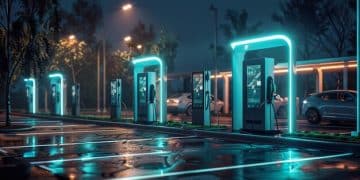
While US Grid Modernization focuses on the supply side of electricity, the expansion of charging infrastructure is equally critical for supporting a 50% increase in EV adoption by 2025. A robust network of accessible and reliable charging stations is essential to alleviate range anxiety and make electric vehicles a practical choice for a wider segment of the population. This expansion isn’t just about adding more chargers; it’s about strategically placing them and ensuring they are integrated intelligently with the modernized grid.
The development of charging infrastructure involves various types of chargers, from Level 2 home chargers to ultra-fast DC fast chargers along major corridors. It also includes innovative solutions like workplace charging, public charging hubs, and even vehicle-to-grid (V2G) capabilities that allow EVs to feed power back into the grid during peak demand. This holistic approach is necessary to cater to diverse charging needs and patterns.
Types of charging solutions
Different charging solutions serve different purposes and user needs. A comprehensive charging ecosystem will incorporate a variety of options to ensure convenience and accessibility for all EV owners.
- Level 2 Chargers: Ideal for home and workplace charging, offering overnight or workday charging.
- DC Fast Chargers: Crucial for long-distance travel and public charging hubs, providing rapid recharges.
- Smart Charging Networks: Systems that optimize charging times to leverage off-peak electricity rates and balance grid load.
- Vehicle-to-Grid (V2G) Technology: Allows EVs to return power to the grid, acting as mobile energy storage units.
The strategic deployment and smart management of this diverse charging infrastructure are vital components of enabling the projected growth in EV adoption. Without it, even the most modernized grid would struggle to support the practical needs of EV drivers.
Policy and funding for a sustainable EV future
The ambitious goals for US Grid Modernization and increased EV adoption by 2025 cannot be achieved without strong policy support and significant funding. Federal and state governments are playing a crucial role in catalyzing these transformations through legislation, incentives, and direct investments. These policy frameworks aim to accelerate grid upgrades, promote renewable energy integration, and incentivize the purchase and use of electric vehicles.
Key policies include infrastructure bills that allocate billions for grid improvements, tax credits for EV purchases and charging station installations, and regulations that encourage utilities to invest in smart grid technologies. Public-private partnerships are also vital, combining government support with private sector innovation and capital to drive progress at scale.
Government initiatives and incentives
Numerous government programs are designed to support the transition to a modern grid and an electrified transportation system. These initiatives address various aspects, from research and development to deployment and consumer adoption.
- The Infrastructure Investment and Jobs Act (IIJA) allocates significant funds for grid modernization.
- Federal tax credits for new and used electric vehicle purchases.
- Grants for states and local communities to build EV charging infrastructure.
- Research and development funding for advanced battery technologies and grid solutions.
These policy drivers and funding mechanisms are indispensable for creating an environment where a modernized grid can flourish and support a substantial increase in EV adoption. They provide the necessary impetus and resources to overcome financial and logistical hurdles, paving the way for a sustainable energy and transportation future.
| Key Point | Brief Description |
|---|---|
| Grid Modernization Goal | Enable 50% increase in EV adoption by 2025 through infrastructure upgrades. |
| Smart Grid Technologies | Real-time monitoring, automated management, and efficient energy distribution. |
| Renewable Energy Integration | Incorporating solar/wind with advanced storage for sustainable EV charging. |
| Charging Infrastructure | Expanding diverse charging solutions and smart network management. |
Frequently asked questions about EV adoption and grid modernization
Grid modernization aims to increase efficiency and integrate more renewables, potentially stabilizing or reducing long-term electricity costs. Smart charging technologies introduced with modernization can also help EV owners charge during off-peak hours, leading to lower rates and overall savings on their bills.
Key challenges include the immense cost of upgrading aging infrastructure, integrating intermittent renewable energy sources, ensuring cybersecurity against new threats, and managing the variable demand from millions of new electric vehicles. Coordination across various stakeholders is also complex.
Significant investments are being made in expanding charging infrastructure, including federal funding and private sector initiatives. The goal is to ensure a robust network of Level 2 and DC fast chargers is available, strategically placed in urban, suburban, and rural areas to meet the rising demand.
Renewable energy sources like solar and wind are critical for making EV charging sustainable and reducing carbon emissions. Grid modernization integrates these sources more effectively, often coupled with advanced battery storage, to provide clean and reliable power for the growing EV fleet.
V2G technology allows electric vehicles to not only draw power from the grid but also send power back to it. This turns EVs into mobile energy storage units, helping to stabilize the grid during peak demand or outages, and providing a valuable resource for grid operators.
Conclusion
The journey toward a 50% increase in EV adoption by 2025 is intricately linked with the success of US Grid Modernization. The ongoing and planned infrastructure projects are not merely incremental improvements but represent a fundamental transformation of the nation’s energy delivery system. By investing in smart grid technologies, integrating renewable energy sources, enhancing grid resilience, and expanding charging infrastructure, the United States is laying the groundwork for a sustainable and electrified transportation future. These efforts will ensure that the grid can reliably support the burgeoning EV fleet, providing a cleaner, more efficient, and more secure energy landscape for all Americans.