Buying a Used Car in 2026: 7 Critical Inspection Points to Avoid Costly Mistakes
Buying a Used Car in 2026: 7 Critical Inspection Points to Avoid Costly Mistakes
The allure of a used car in 2026 is undeniable. With new car prices continuing to climb and advancements in vehicle longevity, a pre-owned vehicle often represents significant value. However, the used car market can also be a minefield of potential problems if you’re not careful. A smart purchase hinges on a thorough used car inspection, a process that goes beyond a quick look and a test drive. This comprehensive guide will walk you through seven critical inspection points that will help you identify red flags, assess the true condition of a vehicle, and ultimately avoid costly mistakes.
In today’s automotive landscape, technology plays an ever-increasing role in vehicle performance, safety, and comfort. This means that a used car inspection in 2026 needs to cover not just the traditional mechanical aspects but also the intricate electronic systems and connectivity features that are now standard. Skipping these crucial checks could lead to unexpected repair bills that quickly erase any initial savings. Our goal is to empower you with the knowledge to make an informed decision, ensuring your next used car is a reliable companion for years to come.
1. The Comprehensive Exterior and Bodywork Examination
The first impression a car makes is often visual, and the exterior can tell you a great deal about its past. Begin your used car inspection by walking around the entire vehicle in broad daylight. Look for inconsistencies in paint color or texture, which could indicate previous accident repairs. Run your hand along the body panels to feel for ripples or uneven surfaces. Pay close attention to the gaps between body panels – they should be consistent and uniform. Uneven gaps are a tell-tale sign of a car that has been in a significant collision and poorly repaired.
Inspect the bumpers for scuffs, cracks, or signs of impact. Check all lights – headlights, taillights, turn signals, and fog lights – for cracks, moisture inside the lenses, or discoloration. These can be expensive to replace. Examine the windshield and all other glass for chips, cracks, or pitting. Even small cracks can spread and compromise structural integrity, leading to a costly windshield replacement.
Don’t forget to look underneath the car, if possible. While you won’t be able to do a full undercarriage inspection without lifting the vehicle, you can still look for obvious signs of rust, fluid leaks, or damaged components. Excessive rust on the frame or suspension components is a major red flag. Surface rust on exhaust pipes is common, but deep, flaky rust indicates neglect or a car from a harsh climate. A thorough exterior examination is a foundational step in any effective used car inspection.
2. Interior Condition and Electronic Functionality
The interior of a used car often reflects how well it has been cared for by its previous owner. During your used car inspection, sit in every seat and check for rips, stains, or excessive wear on the upholstery. Test the seat adjustments, including lumbar support if equipped. Do the same for the seatbelts – ensure they latch securely and retract properly.
Examine the dashboard for any warning lights that remain illuminated after the car starts. Check the functionality of all buttons, switches, and knobs. This includes the air conditioning (ensure it blows cold and hot air), heater, defroster, power windows, power locks, sunroof, and mirrors. Test the radio, infotainment system, and navigation. In 2026, many vehicles come with advanced driver-assistance systems (ADAS) and connectivity features. Make sure the backup camera, parking sensors, blind-spot monitoring, and adaptive cruise control (if present) are all operational. These systems are complex and expensive to repair.
Look for signs of water damage, such as damp carpets, mildew smell, or rust around door sills. These could indicate leaks or flood damage, which can lead to serious electrical problems down the line. Check the headliner for stains or sagging. Finally, open and close all doors, the trunk, and the hood to ensure they operate smoothly and latch securely. A meticulous interior and electronics check is essential for a comprehensive used car inspection.
3. Engine and Under-Hood Components Assessment
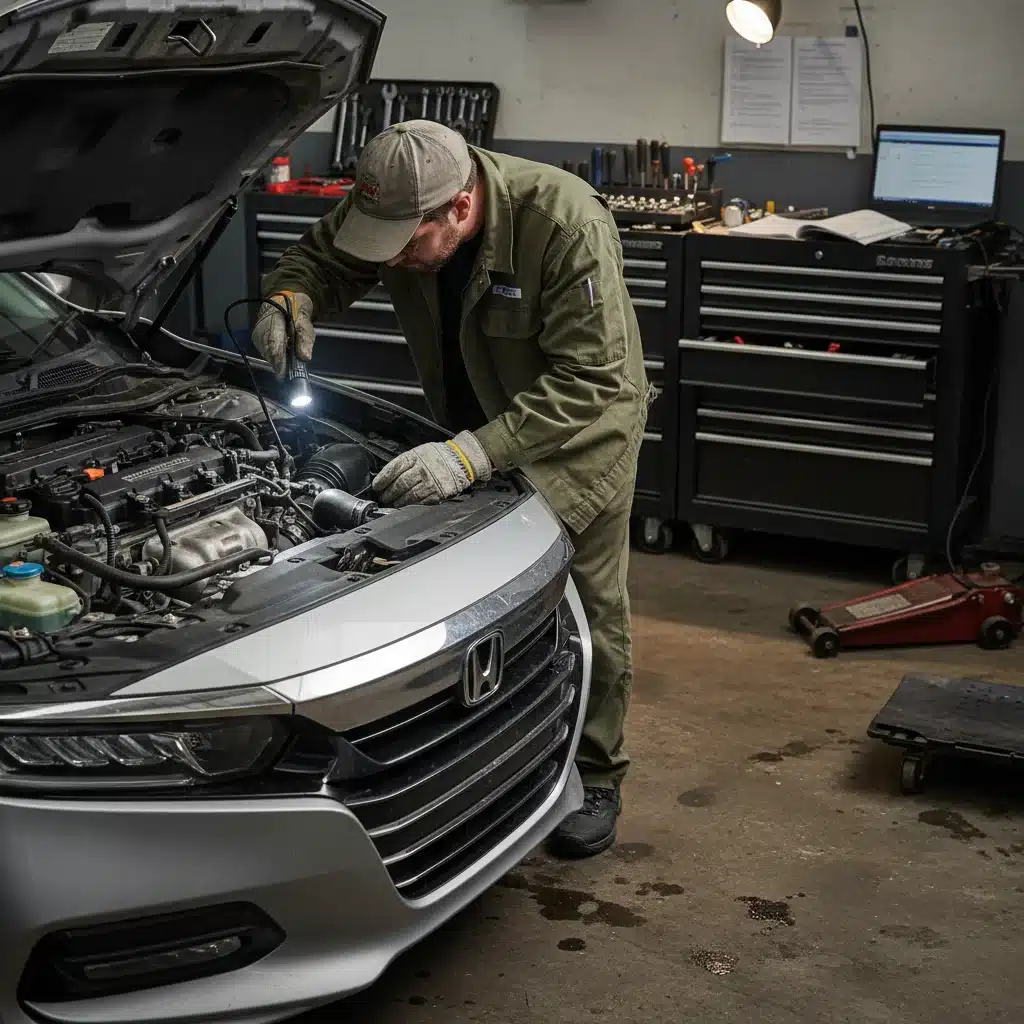
This is arguably the most critical part of your used car inspection. With the engine off and cool, start by checking the fluid levels: oil, coolant, brake fluid, power steering fluid, and windshield washer fluid. The oil should be amber or light brown, not black and sludgy. The coolant should be clean and correspond to the manufacturer’s recommended type, not rusty or murky. Look for any visible leaks around hoses, seals, or gaskets. A small amount of weeping is sometimes acceptable, but active drips are a major concern.
Examine the battery for corrosion around the terminals. Check the belts for cracks or fraying. Look at the hoses for bulges, cracks, or softness. Squeeze them gently; they should feel firm but pliable. Inspect the wiring for any signs of chewing (rodents) or shoddy repairs. Remove the oil filler cap and look for a milky substance, which could indicate a blown head gasket. Pull out the dipstick and check for similar milky residue.
Once you start the engine, listen carefully for any unusual noises: knocking, ticking, grinding, or squealing. Watch for excessive smoke from the exhaust – blue smoke indicates burning oil, white smoke (after warm-up) can indicate burning coolant, and black smoke points to a rich fuel mixture. A professional mechanic can perform a more in-depth engine diagnostic, but these initial checks are vital for your used car inspection.
4. Tire Condition and Suspension Check
Tires are your car’s only contact with the road, making their condition paramount for safety and handling. During your used car inspection, inspect all four tires (and the spare, if accessible). Look for even wear across the tread. Uneven wear patterns – such as wear on only one side, cupping, or feathering – can indicate alignment issues, worn suspension components, or improper tire inflation. Check the tread depth using a penny or a dedicated gauge; if the tread is very low, you’ll soon need to replace them, which is an added expense.
Examine the sidewalls for cracks, bulges, or punctures. These can be dangerous and lead to blowouts. Also, check the tire’s manufacturing date, usually represented by a four-digit code (WWYY – week and year). Tires older than 6-7 years, even with good tread, can become brittle and unsafe. 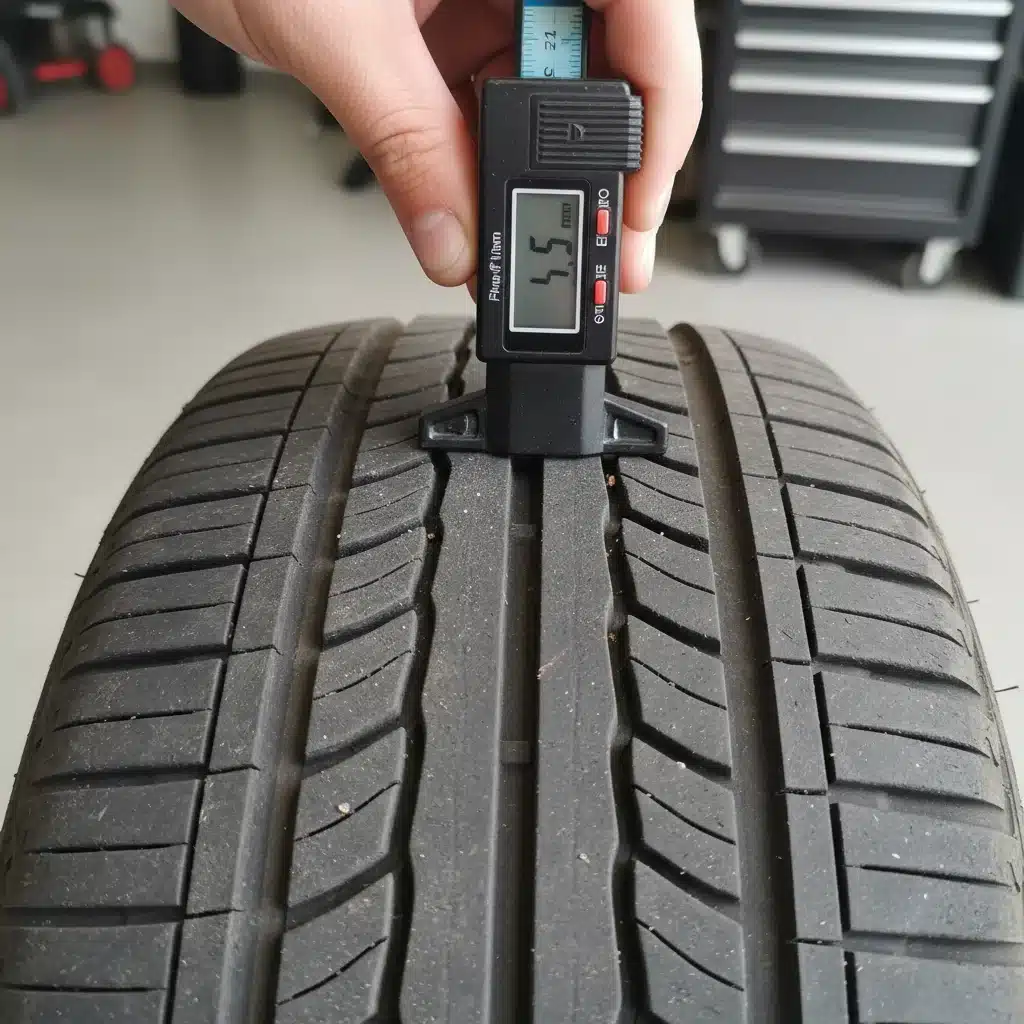
For the suspension, push down firmly on each corner of the car. It should rebound once or twice and then settle. If it bounces excessively, the shock absorbers or struts may be worn out. Listen for clunking or squeaking noises when driving over bumps – these are common signs of worn suspension components like bushings, ball joints, or tie rods. These repairs can be costly and affect the car’s handling and safety. A thorough tire and suspension check is a non-negotiable part of a complete used car inspection.
5. Test Drive: The Ultimate Performance Assessment
No used car inspection is complete without a comprehensive test drive. Drive the car on various road conditions – city streets, highways, and some bumpy roads if possible. Pay close attention to how the car feels and sounds. Listen for any unusual noises: clunks, squeaks, grinding, or whirring. Does the steering feel tight and responsive, or loose and vague? Does the car pull to one side, indicating an alignment issue?
Test the brakes thoroughly. Do they feel firm and responsive, or spongy? Does the car pull to one side when braking? Listen for grinding or squealing, which could mean worn brake pads or rotors. Test the parking brake. Accelerate and decelerate smoothly and abruptly to check the transmission. Automatic transmissions should shift smoothly without jerking or hesitation. Manual transmissions should engage gears easily without grinding, and the clutch should not slip.
Pay attention to the engine’s performance. Does it accelerate smoothly and powerfully, or does it feel sluggish? Does it idle smoothly, or is it rough? Check the gauges – do they all work? Does the temperature gauge stay in the normal range? If the car has cruise control, test it. A test drive is your opportunity to experience the car’s dynamic behavior and is a crucial part of any effective used car inspection.
6. Vehicle History Report and Documentation Review
While not a physical inspection point, a vehicle history report is an indispensable tool in your used car inspection arsenal. Services like Carfax or AutoCheck can provide a detailed report on the car’s past, including accident history, previous owners, service records, odometer discrepancies, salvage titles, and flood damage. This report can reveal issues that even a thorough physical inspection might miss.
Always verify that the Vehicle Identification Number (VIN) on the report matches the VIN on the car itself (usually found on the dashboard and door jamb). Review any available service records. A car with a consistent maintenance history is generally a more reliable purchase. Look for evidence of regular oil changes, tire rotations, and scheduled maintenance. A lack of service records can be a red flag, indicating potential neglect.
Check the car’s title to ensure it’s clean and clear, meaning there are no outstanding liens or salvage designations. A salvage title indicates the car was declared a total loss by an insurance company, often due to severe damage. While some salvage vehicles can be repaired, they often come with inherent risks and diminished resale value. Thorough documentation review is a vital component of a comprehensive used car inspection.
7. Professional Pre-Purchase Inspection (PPI)
Even if you’re confident in your own inspection skills, a professional pre-purchase inspection (PPI) by an independent, trusted mechanic is the single best investment you can make when buying a used car. This is the ultimate step in your used car inspection process. A qualified mechanic has specialized tools, lifts, and expertise to uncover hidden problems that are impossible for an average buyer to detect. They can perform diagnostic scans, check for frame damage, inspect the braking system in detail, and assess the overall mechanical integrity of the vehicle.
A PPI typically costs a few hundred dollars, but it can save you thousands in potential repair costs down the road. If the seller is reluctant to allow a PPI, it’s a major red flag and a strong indication that they might be hiding something. Always choose a mechanic who is independent of the seller. 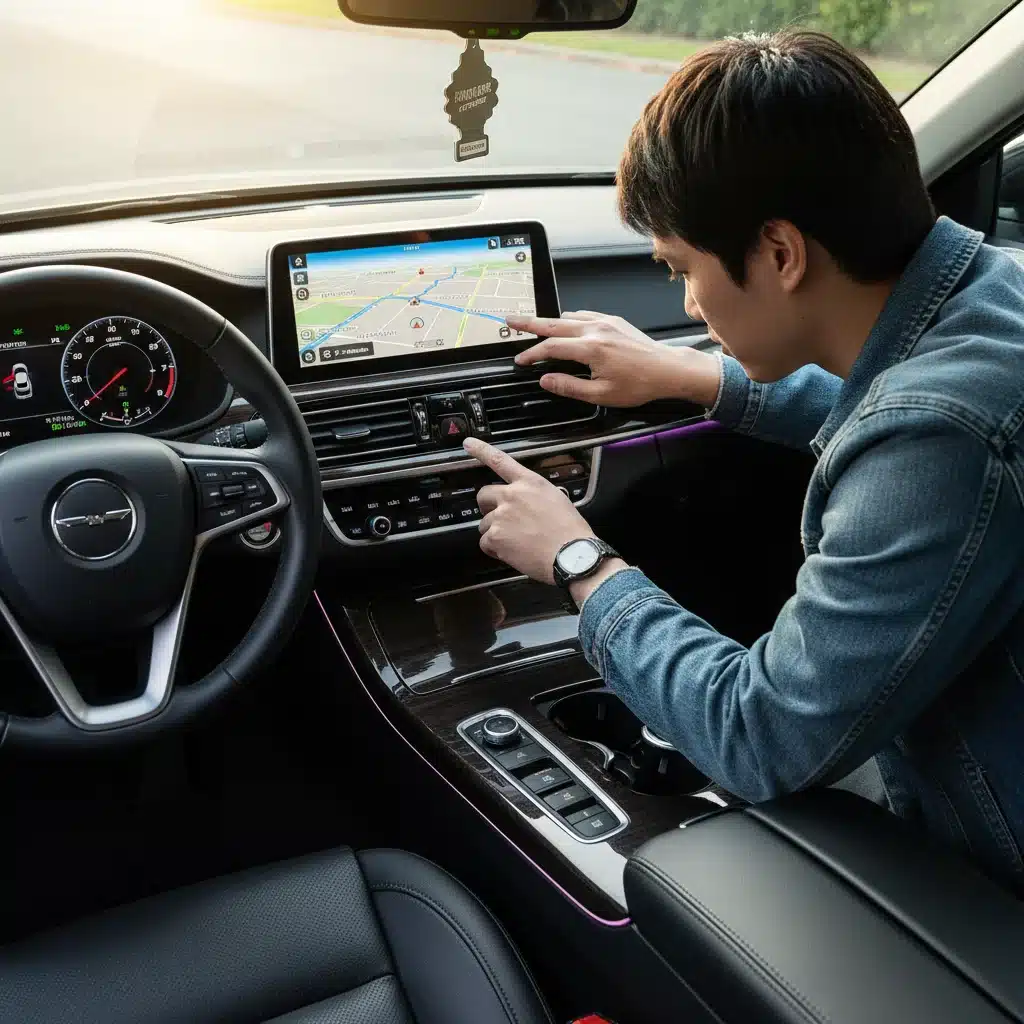
The mechanic will provide a detailed report outlining any issues found, their severity, and estimated repair costs. This report not only gives you peace of mind but also provides valuable negotiation leverage. If the car has minor issues, you can use the repair estimates to ask for a lower price. If major issues are uncovered, you can walk away from a potentially problematic purchase, saving yourself from a significant financial headache. A PPI is the gold standard for a thorough used car inspection.
Beyond the Inspection: Smart Buying Practices in 2026
While the used car inspection points listed above are crucial, a few other smart practices can enhance your buying experience in 2026:
- Research Market Value: Use online resources like Kelley Blue Book (KBB), Edmunds, and NADAguides to determine the fair market value of the specific make, model, year, and trim level you’re considering. This empowers you to negotiate effectively.
- Understand Warranty Options: Some used cars, especially certified pre-owned (CPO) vehicles, come with a warranty. Understand what it covers, for how long, and if it’s transferable. For private sales, consider purchasing an aftermarket extended warranty if the car is out of its original manufacturer’s warranty.
- Consider Fuel Efficiency and Maintenance Costs: In 2026, fuel prices and maintenance costs remain significant factors. Research the average cost of ownership for the models you’re interested in, including common repair issues and the availability of parts.
- Check for Recalls: Before finalizing your purchase, check the National Highway Traffic Safety Administration (NHTSA) website for any open recalls on the specific vehicle by its VIN. Unaddressed recalls can pose safety risks.
- Don’t Rush the Decision: Buying a car is a significant financial decision. Don’t feel pressured by a salesperson or a seemingly ‘great deal.’ Take your time, perform all necessary checks, and if something feels off, walk away. There will always be another car.
Conclusion: Your Path to a Confident Used Car Purchase
Buying a used car in 2026 can be a rewarding experience, offering excellent value and reliable transportation. However, it requires diligence and a methodical approach. By following these seven critical used car inspection points – from the exterior walk-around and interior functionality checks to the engine assessment, tire and suspension scrutiny, comprehensive test drive, vehicle history review, and crucially, a professional pre-purchase inspection – you significantly reduce your risk of purchasing a lemon.
Remember, knowledge is power. Arm yourself with information, ask questions, and don’t hesitate to seek expert advice. A thorough used car inspection isn’t just about finding problems; it’s about gaining peace of mind, ensuring safety, and securing a vehicle that will serve you well for many miles to come. Happy hunting, and may your next used car purchase be a smooth and successful one!