2026 Car Purchase Plan: Your 3-Month Action Guide

Preparing for Your 2026 Car Purchase: A 3-Month Action Plan for a Smooth Transaction
The anticipation of buying a new or new-to-you car is often mingled with a touch of apprehension. It’s a significant financial decision, and navigating the myriad of choices, financing options, and negotiation tactics can feel overwhelming. However, with a well-structured approach, your 2026 car purchase plan can be not just manageable, but genuinely exciting. This comprehensive guide will walk you through a detailed 3-month action plan, empowering you with the knowledge and strategies needed to make an informed decision and secure the best possible deal. We’ll cover everything from initial budgeting and extensive vehicle research to securing favorable financing and mastering the art of negotiation, ensuring your journey to a new set of wheels is as smooth and stress-free as possible.
Too many people rush into car buying, often driven by immediate need or emotional appeal. This haste can lead to costly mistakes, such as overpaying, choosing the wrong vehicle for their lifestyle, or getting stuck with unfavorable financing terms. By committing to a proactive 2026 car purchase plan, you’re not just buying a car; you’re investing in peace of mind, financial stability, and a vehicle that truly meets your needs and desires. This structured approach allows you to take control of the process, making decisions based on data and careful consideration rather than impulse.
Our 3-month roadmap is designed to break down the complex car-buying process into manageable steps. Each month focuses on distinct phases, building upon the previous one. This systematic method ensures that no critical aspect is overlooked, from understanding your financial limits to test-driving potential vehicles and finalizing the deal. Whether you’re a first-time buyer or a seasoned car owner, this plan provides valuable insights and actionable steps to optimize your 2026 car purchase plan. Let’s embark on this journey together, transforming what can be a daunting task into an enjoyable and rewarding experience.
Month 1: Laying the Foundation – Budgeting and Needs Assessment
The first month of your 2026 car purchase plan is arguably the most crucial. It’s all about introspection and setting realistic expectations. Without a clear understanding of your financial capabilities and your actual needs, you risk falling in love with a car you can’t afford or one that doesn’t serve its primary purpose. This initial phase requires discipline and honesty, but the effort invested now will save you considerable stress and potential financial strain down the line.
Step 1: Determine Your Budget – How Much Can You Truly Afford?
Before you even think about makes and models, you need to establish a firm budget. This isn’t just about the monthly payment; it’s about the total cost of ownership. Consider the ’20/4/10 rule’ as a general guideline: a 20% down payment, a loan term no longer than four years, and total monthly car expenses (payment, insurance, fuel, maintenance) not exceeding 10% of your gross monthly income. While this is a guideline, it’s a good starting point for your 2026 car purchase plan.
- Down Payment: Aim for at least 20% to avoid being ‘upside down’ on your loan (owing more than the car is worth) and to reduce your monthly payments and interest over the life of the loan. If you don’t have 20% saved, start saving aggressively now.
- Monthly Payment: Calculate what you can comfortably afford each month. Remember to factor in other regular expenses and savings goals. Don’t let a salesperson push you into a higher payment than you’re comfortable with.
- Insurance Costs: Get quotes for different car models you might be interested in. Insurance premiums vary significantly based on the car’s value, safety ratings, repair costs, and your driving history. This is a recurring cost often overlooked in the initial budget.
- Fuel Costs: Consider the car’s fuel efficiency and your typical driving habits. Gasoline prices fluctuate, so factor in a buffer.
- Maintenance and Repairs: New cars come with warranties, but routine maintenance is still necessary. Used cars, especially older ones, will likely require more frequent and potentially expensive repairs. Research typical maintenance costs for models you’re considering.
- Registration and Taxes: Don’t forget the one-time and recurring fees associated with car ownership in your state or region.
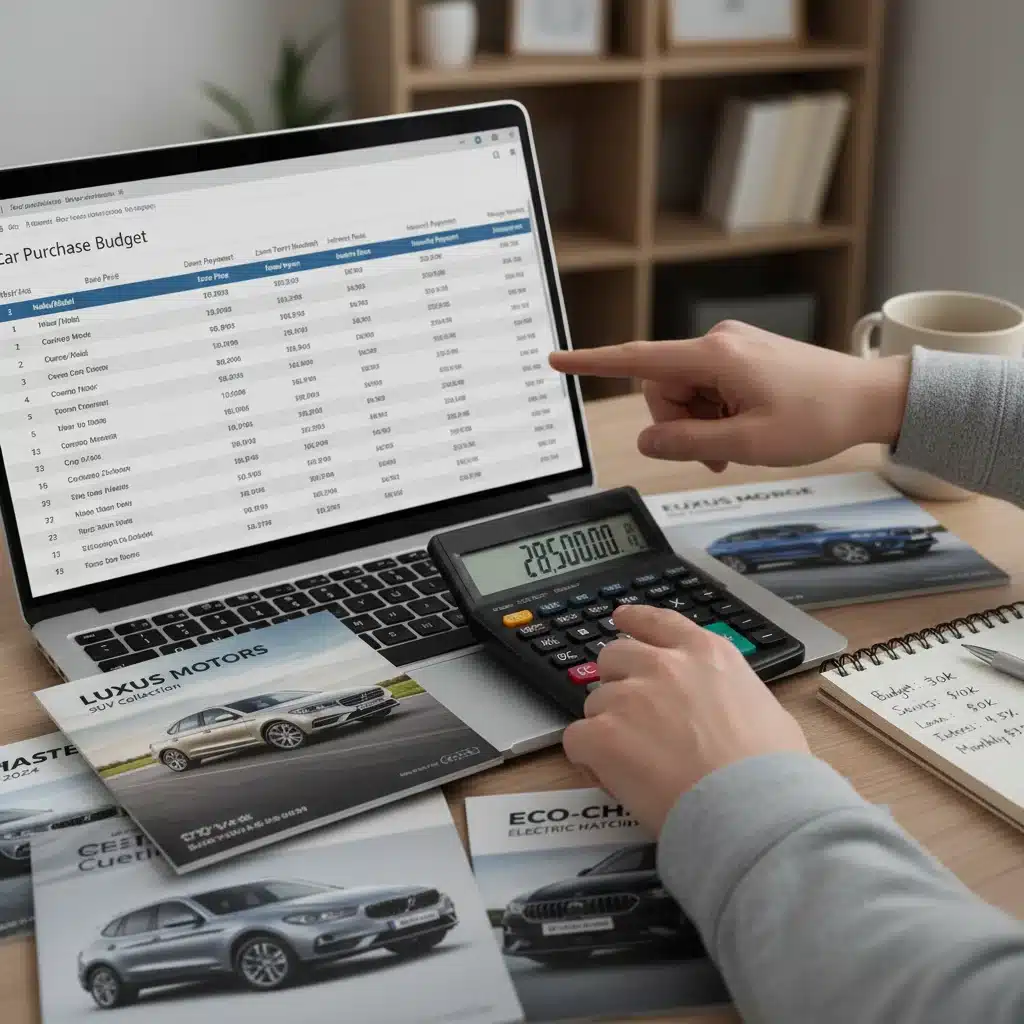
Create a detailed spreadsheet to track all these potential costs. This will give you a clear financial picture and help you set a realistic maximum price for your vehicle, a cornerstone of your 2026 car purchase plan.
Step 2: Assess Your Needs vs. Wants – What Do You Really Need?
This step involves a practical evaluation of your lifestyle and how a car fits into it. Be honest with yourself about what you truly need versus what you merely want. While a powerful sports car might be appealing, if you have a family of five and frequently haul equipment, it’s not a practical choice.
- Passenger Capacity: How many people will you regularly transport? A single person or couple might be fine with a compact car, while a family needs more space.
- Cargo Space: Do you frequently carry groceries, sports equipment, luggage, or work tools? Sedans, SUVs, and trucks offer varying levels of cargo capacity.
- Driving Conditions: Do you commute long distances? Is your commute mostly city driving or highway? Do you encounter harsh weather conditions (snow, heavy rain) that might necessitate all-wheel drive?
- Fuel Efficiency: Is fuel economy a top priority due to long commutes or environmental concerns?
- Reliability and Safety: Research safety ratings (e.g., NHTSA, IIHS) and reliability scores (e.g., Consumer Reports, J.D. Power) for different models.
- Technology and Features: What technology is essential for you (e.g., Apple CarPlay/Android Auto, navigation, advanced safety features)? Distinguish between must-haves and nice-to-haves.
- New vs. Used: Decide whether a new car with its full warranty and latest features is worth the higher price and depreciation, or if a used car offers better value for your budget. This is a critical decision in your 2026 car purchase plan.
Make a list of your top 3-5 non-negotiable features and another list for desirable but not essential features. This will narrow down your search considerably.
Month 2: Intensive Research and Pre-Approval – Becoming an Expert Buyer
With your budget and needs clearly defined, Month 2 of your 2026 car purchase plan transitions into active research and financial preparation. This is where you become an informed consumer, armed with knowledge that will give you leverage at the dealership. Don’t underestimate the power of thorough research; it can save you thousands.
Step 1: Vehicle Research – Digging Deep into Models and Trims
Now that you know what you can afford and what you need, it’s time to explore specific vehicles. Focus on models that align with your criteria from Month 1.
- Online Resources: Utilize websites like Edmunds, Kelley Blue Book (KBB), Consumer Reports, and manufacturer websites. These sites offer reviews, comparisons, pricing tools, and detailed specifications.
- Read Reviews: Look for professional reviews from automotive journalists and, importantly, owner reviews. Owner reviews can provide real-world insights into reliability, common issues, and overall satisfaction.
- Compare Models: Create a comparison chart for 2-3 top contenders. Compare features, fuel economy, safety ratings, predicted reliability, and resale value.
- Identify Target Price Ranges: Use pricing guides (like KBB or Edmunds True Market Value) to understand the fair market price for new and used versions of your desired vehicles. This knowledge is crucial for negotiation later.
- Explore Trim Levels and Options: Understand the different trim levels available for each model and which features come standard versus optional. Decide which are important to you and factor them into your budget.
- Consider Depreciation: Research how quickly different models depreciate. Some cars hold their value better than others, which is important for your long-term financial planning.
By the end of this step, you should have a shortlist of 1-3 specific models and even preferred trim levels that fit your 2026 car purchase plan.
Step 2: Explore Financing Options and Get Pre-Approved
Securing financing before you set foot in a dealership is one of the most powerful moves you can make. It transforms you from a ‘buyer needing financing’ into a ‘cash buyer’ in the eyes of the dealership, giving you significant negotiation power.
- Check Your Credit Score: Obtain your credit report and score from all three major credit bureaus (Experian, Equifax, TransUnion). Correct any errors. A higher credit score translates to better interest rates.
- Research Loan Rates: Contact your bank, credit unions, and online lenders (e.g., Capital One Auto Finance, LightStream) to compare interest rates and loan terms. Credit unions often offer highly competitive rates.
- Get Pre-Approved: Apply for pre-approval with at least two different lenders. This will give you a concrete offer with an interest rate and maximum loan amount. This pre-approval acts as your baseline.
- Understand Loan Terms: Pay close attention to the Annual Percentage Rate (APR), the loan term (length of the loan), and any associated fees. A shorter loan term generally means higher monthly payments but less interest paid overall.
- Avoid Multiple Hard Inquiries: When shopping for a loan, ensure all inquiries within a short period (typically 14-45 days, depending on the credit bureau) are treated as a single inquiry, minimizing impact on your credit score.
Having a pre-approval in hand means you know the lowest interest rate you qualify for. If the dealership offers a higher rate, you can leverage your pre-approval to negotiate a better deal or simply go with your external lender. This is a cornerstone of a smart 2026 car purchase plan.
Step 3: Consider Trade-In Value (If Applicable)
If you plan to trade in your current vehicle, research its value independently. Don’t rely solely on the dealership’s offer.
- Use Online Valuation Tools: KBB, Edmunds, and NADAguides offer tools to estimate your car’s trade-in value based on its condition, mileage, and features.
- Get Independent Appraisals: Consider getting a quote from CarMax or another used car dealer. This gives you another benchmark for your car’s worth.
- Be Realistic: Be honest about your car’s condition. Dings, dents, and mechanical issues will reduce its value.
- Prepare Your Car: A clean, well-maintained car will fetch a better trade-in value. Consider a professional detail and ensure all maintenance is up to date.
Knowing your trade-in’s value empowers you to negotiate effectively and ensures you’re not getting shortchanged. This step is vital for optimizing your 2026 car purchase plan.
Month 3: Test Drives, Negotiation, and Finalizing the Deal – The Home Stretch
The final month of your 2026 car purchase plan is where all your preparation culminates. This is the time to physically interact with your chosen vehicles, engage in skilled negotiation, and confidently close the deal. With the groundwork laid in the previous two months, you’ll be well-equipped to navigate this final stage successfully.
Step 1: Test Drives and Inspections
Online research is invaluable, but nothing replaces the experience of driving the car yourself. Schedule test drives for your top 1-3 models.
- Schedule Appointments: Call ahead to ensure the cars you want to test drive are available.
- Bring Your Essentials: Take your car seat if you have young children, and any other items you regularly carry to ensure they fit comfortably.
- Drive Your Route: Drive the car on a variety of roads – highways, city streets, and areas with bumps or potholes – to gauge its performance and comfort in typical driving conditions.
- Test All Features: Operate the infotainment system, climate control, safety features, and check visibility.
- Pay Attention to Details: Listen for strange noises, feel for vibrations, and assess the seat comfort and driving position.
- Bring a Friend: A second opinion can be helpful, as they might notice things you miss.
- Used Car Inspection: For used cars, a pre-purchase inspection by an independent mechanic is non-negotiable. This small investment can save you thousands in future repairs.
- Ask Questions: Don’t hesitate to ask the salesperson about anything that concerns you or that you’re curious about.
The test drive confirms if your chosen vehicle truly meets your practical needs and personal preferences, solidifying your 2026 car purchase plan.
Step 2: The Negotiation Strategy – Mastering the Dealership Dance
This is where your pre-work truly pays off. Approach negotiation as a business transaction, not a battle. Be polite but firm.
- Separate Price from Trade-In and Financing: Always negotiate the car’s price first. Once a price is agreed upon, then discuss your trade-in (if applicable), and finally, financing. Mixing these aspects complicates the negotiation and can lead to confusion.
- Know Your Target Price: Based on your research (KBB, Edmunds), you should have a target price in mind. Start slightly below this and be prepared to meet in the middle.
- Leverage Your Pre-Approval: As mentioned, your external loan pre-approval is your strongest bargaining chip for financing.
- Be Prepared to Walk Away: This is your ultimate power. If you’re not getting the deal you want, be ready to leave. Often, a dealership will call you back with a better offer.
- Beware of Add-Ons: Dealerships often try to sell extended warranties, paint protection, fabric guards, and other extras. Research these beforehand and only purchase what you genuinely need or want after careful consideration. Many can be purchased cheaper elsewhere.
- Negotiate the Out-the-Door Price: Focus on the total ‘out-the-door’ price, which includes all taxes, fees, and the vehicle price. This prevents hidden costs from inflating the final amount.
- Review All Paperwork: Before signing anything, meticulously review every line item. Ensure there are no unexpected charges or discrepancies.
Successful negotiation is about being informed, patient, and confident. Stick to your budget and your research, and you’ll achieve a favorable outcome for your 2026 car purchase plan.

Step 3: Finalizing the Purchase and Paperwork
Once you’ve agreed on a price, the final step is signing the paperwork. This can be a lengthy process, so allocate ample time.
- Read Everything Carefully: Do not rush. Read every document, including the sales contract, financing agreement, and any warranty information. If anything is unclear, ask for clarification.
- Verify Numbers: Double-check that the agreed-upon price, interest rate, down payment, and trade-in value (if any) are accurately reflected in the contract.
- Understand the Warranty: For new cars, understand the factory warranty terms. For used cars, know if it comes with any dealer warranty or is sold ‘as-is.’
- Insurance Proof: You’ll need proof of insurance before you can drive the car off the lot. Have your policy information ready.
- Registration and Plates: Understand the process for vehicle registration and obtaining license plates. In many cases, the dealership handles this, but confirm the timeline and any fees.
- Get Copies: Obtain copies of all signed documents for your records.
Congratulations! By following this rigorous 2026 car purchase plan, you’ve successfully navigated the complexities of car buying and are now the proud owner of a vehicle that meets your needs and fits your budget. Enjoy your new ride!
Beyond the Purchase: Protecting Your Investment
While the 2026 car purchase plan culminates in acquiring your desired vehicle, the journey of car ownership continues. Protecting your investment ensures longevity, optimal performance, and sustained financial value. Taking proactive steps post-purchase is just as important as the preparation phase.
Regular Maintenance and Servicing
Adhering to the manufacturer’s recommended maintenance schedule is paramount. This includes:
- Oil Changes: Crucial for engine health. Follow the recommended intervals based on your vehicle model and oil type.
- Tire Rotations and Pressure Checks: Ensures even wear, extends tire life, and improves fuel efficiency and safety.
- Brake Inspections: Essential for safety. Regular checks can identify issues before they become critical.
- Fluid Checks: Keep an eye on coolant, transmission fluid, brake fluid, and power steering fluid levels.
- Filter Replacements: Air filters (engine and cabin) and fuel filters contribute to engine performance and air quality inside the car.
- Scheduled Inspections: Many manufacturers recommend comprehensive inspections at specific mileage intervals.
Keeping detailed records of all maintenance performed can also increase your car’s resale value when it’s time for your next 2026 car purchase plan.
Understanding and Utilizing Your Warranty
For new cars, understand the terms of your factory warranty. Know what’s covered (powertrain, bumper-to-bumper) and for how long. Keep all warranty documents accessible. For used cars with a dealer warranty, be equally diligent.
- Know Your Coverage: Familiarize yourself with what parts and repairs are included.
- Follow Service Requirements: Some warranties require you to service your vehicle at authorized dealerships or use specific parts.
- Document Issues: If you notice a problem, document it immediately and take it to the dealership before the warranty expires.
Smart Driving Habits
How you drive significantly impacts your car’s lifespan and fuel efficiency.
- Smooth Acceleration and Braking: Avoid aggressive driving, which puts undue stress on the engine, brakes, and tires.
- Avoid Overloading: Don’t consistently carry more weight than your vehicle is designed for.
- Proper Tire Inflation: Correct tire pressure improves safety and fuel economy.
- Regular Cleaning: Washing and waxing your car not only keeps it looking good but also protects the paint from environmental damage.
Reviewing Your Insurance Policy
As your car ages, or if your driving habits or circumstances change, it’s wise to periodically review your auto insurance policy.
- Compare Quotes: Every year or two, get quotes from different insurance providers to ensure you’re still getting the best rate.
- Adjust Coverage: As your car depreciates, you might consider adjusting collision and comprehensive coverage to reflect its current value.
- Look for Discounts: Inquire about discounts for good driving, bundling policies, anti-theft devices, or low mileage.
By integrating these post-purchase practices into your routine, you extend the life of your vehicle, maintain its value, and continue to benefit from the careful planning you put into your 2026 car purchase plan.
Conclusion: A Confident Path to Your Next Vehicle
Embarking on a car purchase is a significant journey, but it doesn’t have to be a stressful one. By meticulously following this 3-month 2026 car purchase plan, you transform what could be a daunting task into a well-organized, empowering experience. From the initial deep dive into your finances and honest assessment of your needs in Month 1, to becoming a research expert and securing pre-approved financing in Month 2, and finally mastering the test drive and negotiation in Month 3, every step is designed to equip you with confidence and control.
Remember, the goal is not just to buy a car, but to buy the right car at the right price, with the right financing, and with minimal stress. This plan emphasizes independent research, financial preparedness, and strategic negotiation – key elements that put you, the buyer, in the driver’s seat. Your ability to walk into a dealership with a pre-approved loan, a clear understanding of market values, and a firm grasp of your needs will make you an invaluable customer and a formidable negotiator.
The automotive market is constantly evolving, with new technologies, models, and financing options emerging regularly. However, the fundamental principles of smart car buying remain constant. This structured approach, focused on thorough preparation and informed decision-making, will serve you well not only for your 2026 car purchase plan but for all future vehicle acquisitions.
So, take a deep breath, commit to the process, and enjoy the journey toward owning a vehicle that perfectly complements your lifestyle and budget. With this comprehensive guide, you’re not just buying a car; you’re making a smart, well-thought-out investment for your future. Happy driving!