2026 EPA Emissions: US Auto Manufacturing Impact & Future
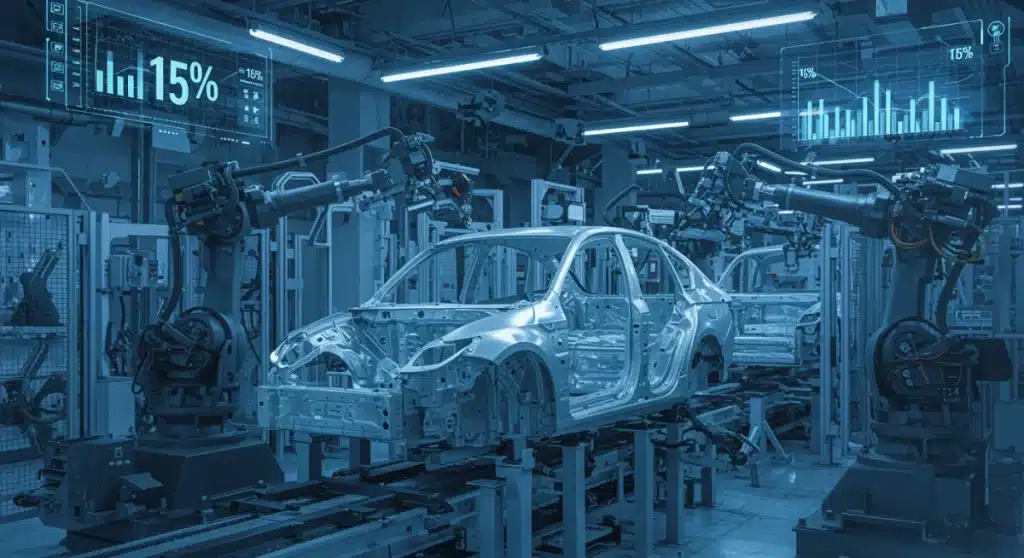
The automotive industry stands at the precipice of a transformative era, driven primarily by an intensifying global focus on environmental sustainability and regulatory mandates. Among the most significant catalysts for this change in the United States are the stringent new emissions standards set by the Environmental Protection Agency (EPA) for the year 2026. These regulations are not merely incremental adjustments; they represent a fundamental shift that is projected to impact US auto manufacturing by a substantial 15%. This article will delve deep into the intricacies of the 2026 EPA Emissions standards, exploring their genesis, the technological innovations they demand, the economic ramifications for manufacturers and consumers, and the strategic adaptations required to navigate this new landscape successfully.
The journey towards cleaner vehicles has been a long and often contentious one, but the scientific consensus on climate change and the imperative to reduce greenhouse gas emissions have pushed regulatory bodies like the EPA to adopt increasingly ambitious targets. The 2026 standards are a critical milestone in this endeavor, aiming to significantly curb tailpipe emissions of pollutants such as nitrogen oxides (NOx), particulate matter (PM), and unburnt hydrocarbons (HC), as well as reduce overall carbon dioxide (CO2) output. The goal is clear: to accelerate the transition away from fossil-fuel-dependent vehicles towards a future dominated by electric and other zero-emission technologies. This shift is not just about compliance; it’s about redefining the very essence of automotive engineering and production in the United States.
Understanding the 2026 EPA Emissions Standards: A Deep Dive
To fully grasp the magnitude of the projected 15% impact on US auto manufacturing, it’s essential to understand the core tenets of the 2026 EPA Emissions standards. These regulations build upon previous mandates but introduce a new level of stringency and a clearer trajectory towards electrification. The EPA’s approach involves a combination of tighter tailpipe emission limits and increased requirements for fuel efficiency, effectively pushing manufacturers to invest heavily in advanced powertrain technologies.
The standards are often expressed in grams per mile (g/mile) for various pollutants and as Corporate Average Fuel Economy (CAFE) standards, which dictate the average fuel economy for a manufacturer’s fleet of vehicles. For 2026, these targets are set to become significantly more demanding. For instance, the EPA has proposed more stringent greenhouse gas emissions standards for light-duty vehicles for model years 2023 through 2026, aiming for an industry-wide target of 161 grams per mile of CO2 by model year 2026. This represents a substantial reduction from previous years and necessitates a rapid adoption of technologies that can achieve these levels.
One of the most significant aspects of these new rules is their emphasis on the adoption of zero-emission vehicles (ZEVs), particularly battery electric vehicles (BEVs) and plug-in hybrid electric vehicles (PHEVs). While not a direct mandate for ZEV sales, the stringency of the emissions targets makes it increasingly difficult for manufacturers to comply solely with internal combustion engine (ICE) technology, even with advanced hybridization. This indirect push towards electrification is the primary driver behind the anticipated 15% shift in manufacturing focus.
The regulations also consider the entire lifecycle of emissions, from manufacturing processes to vehicle operation. This holistic approach means that automakers must not only produce cleaner vehicles but also strive for more sustainable manufacturing practices, reducing the carbon footprint of their factories and supply chains. This adds another layer of complexity and cost, but also opens avenues for innovation in green manufacturing techniques.
The EPA’s regulatory framework is designed to be flexible, offering credits for over-compliance and penalties for under-compliance. This credit system allows manufacturers to strategically manage their fleet average, but the overall trend is unequivocally towards lower emissions. The ultimate goal is to improve air quality, mitigate climate change, and foster a competitive US automotive industry that leads in advanced, clean vehicle technologies.
The 15% Shift: What Does it Mean for US Auto Manufacturing?
The projected 15% impact on US auto manufacturing due to the 2026 EPA Emissions standards is a multifaceted metric, encompassing changes across various aspects of the industry. It’s not a single, monolithic shift but rather a confluence of adjustments in production lines, supply chains, workforce skills, and investment priorities. This percentage signifies a significant reallocation of resources and a reorientation of strategic goals within the sector.
Production Line Transformation
At the most fundamental level, the 15% shift translates into a tangible change in what is being produced and how. Factories that once specialized in purely internal combustion engine vehicles must retool and reconfigure to accommodate electric vehicle (EV) production. This involves new assembly processes for battery packs, electric motors, and power electronics, which are vastly different from traditional engine and transmission assembly. Existing facilities may undergo extensive renovations, while new ‘gigafactories’ dedicated to EV components and assembly are being built.
The shift also implies a reduction in the manufacturing of certain high-emission vehicle types. While not an outright ban, the economic incentives and penalties associated with the EPA standards will naturally steer manufacturers away from producing vehicles that are difficult or costly to bring into compliance. This could lead to a pruning of less efficient models from product lineups.
Supply Chain Reconfiguration
A 15% shift in manufacturing also necessitates a dramatic overhaul of the automotive supply chain. The components required for EVs are different from ICE vehicles, leading to increased demand for raw materials like lithium, cobalt, and nickel for batteries, as well as specialized semiconductors and advanced materials for lightweighting. This creates opportunities for new suppliers but also poses challenges in securing these critical materials, often from international sources. The focus will shift from traditional engine parts suppliers to those specializing in battery technology, charging infrastructure, and electric powertrains.
Building a robust domestic supply chain for EV components is a strategic imperative for the US, not only for compliance but also for economic resilience and national security. This involves significant investment in mining, refining, and component manufacturing within North America, aiming to reduce reliance on foreign markets.
Workforce Development and Reskilling
The human element is central to this 15% transformation. The skills required to design, engineer, assemble, and maintain electric vehicles are different from those needed for traditional gasoline-powered cars. This means a significant push for workforce development and reskilling programs. Engineers need expertise in electrical systems, battery chemistry, and software integration. Factory workers require training in handling high-voltage components and new assembly techniques. Mechanics need to be proficient in diagnosing and repairing EV systems. Unions, educational institutions, and government agencies are playing a crucial role in facilitating this transition to ensure that the American workforce remains competitive and employed.
Investment and R&D Priorities
To achieve the 2026 EPA Emissions targets, automakers are pouring billions of dollars into research and development. This 15% shift is underpinned by massive investments in battery technology, charging infrastructure, advanced materials, and autonomous driving systems, which often go hand-in-hand with electrification. Companies are prioritizing projects that accelerate the development of more efficient electric powertrains, longer-range batteries, and faster charging capabilities. This R&D push is not just about compliance; it’s about gaining a competitive edge in the rapidly evolving global EV market.
Technological Innovations Driving Compliance
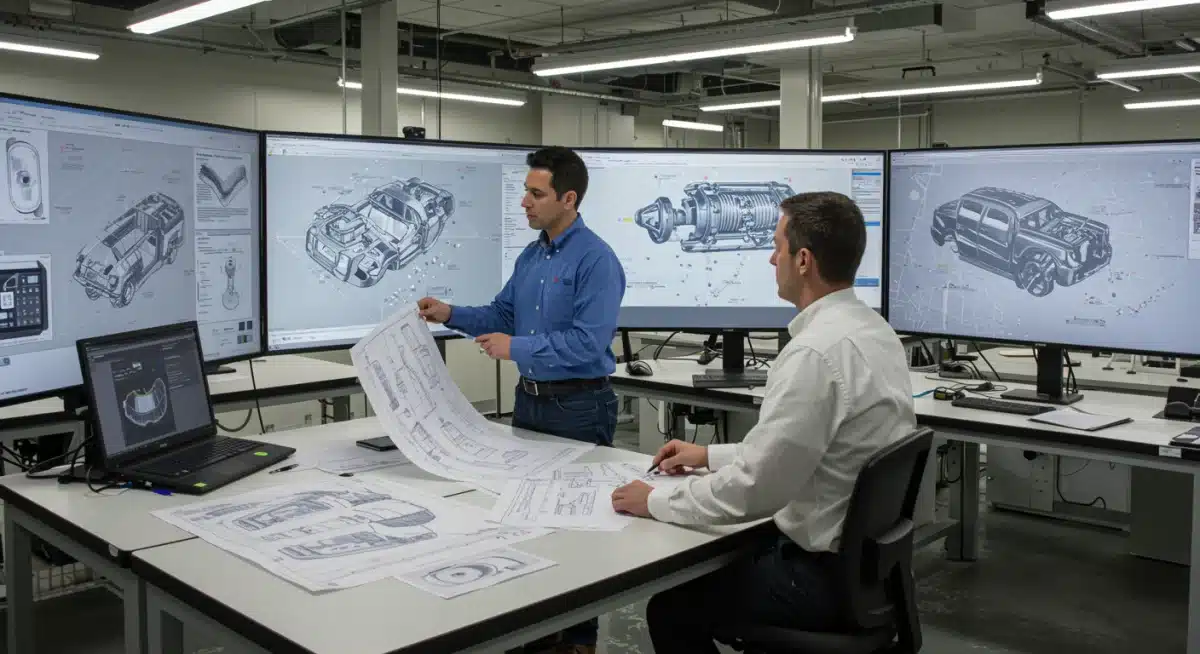
Meeting the rigorous 2026 EPA Emissions standards will require a continued surge in technological innovation. While electric vehicles are the primary long-term solution, a range of other advancements will also play a critical role in the interim and for specific market segments. The 15% shift is intrinsically linked to the successful deployment and scaling of these technologies.
Battery Electric Vehicles (BEVs)
BEVs are at the forefront of the emissions reduction strategy. Advances in battery chemistry (e.g., solid-state batteries, lithium-iron phosphate), energy density, and charging speeds are making BEVs more attractive to consumers. Manufacturers are focusing on reducing battery costs, increasing range, and improving thermal management systems to enhance performance and longevity. The development of modular battery platforms that can be adapted across different vehicle types is also a key innovation, streamlining production and reducing costs.
Plug-in Hybrid Electric Vehicles (PHEVs)
PHEVs offer a bridge solution, combining an electric motor and battery with a traditional internal combustion engine. Innovations in PHEV technology focus on increasing electric-only range, optimizing the integration between the electric and gasoline powertrains for seamless transitions, and improving overall system efficiency. PHEVs can help the industry meet emissions targets by providing a zero-emission option for daily commutes while offering the flexibility of gasoline for longer trips, easing consumer transition.
Advanced Internal Combustion Engines (ICE)
Despite the push for electrification, ICE vehicles will still constitute a significant portion of the market in 2026. Therefore, innovations in ICE technology remain crucial. This includes highly efficient direct injection systems, turbocharging, variable valve timing, cylinder deactivation, and advanced exhaust aftertreatment systems (e.g., improved catalytic converters, particulate filters). Mild hybrid systems, which use a small electric motor to assist the engine, also offer incremental but significant fuel economy and emissions improvements without the full complexity of a PHEV or BEV.
Lightweight Materials and Aerodynamics
Reducing vehicle weight and improving aerodynamics are fundamental to enhancing fuel efficiency and extending EV range, directly contributing to emissions compliance. Manufacturers are increasingly using lightweight materials like aluminum, high-strength steel, carbon fiber composites, and advanced plastics. Aerodynamic design is also becoming more sophisticated, with features like active grille shutters, smooth underbodies, and optimized body shapes to minimize drag. These innovations are critical for all vehicle types, but especially for EVs where every mile of range is precious.
Software and Connectivity
Software plays an increasingly vital role in optimizing vehicle performance and emissions. Advanced engine control units (ECUs) and battery management systems (BMS) precisely manage power delivery, charging, and energy regeneration. Over-the-air (OTA) updates allow manufacturers to continuously improve vehicle efficiency and introduce new features. Connectivity enables vehicles to communicate with infrastructure and other vehicles, potentially optimizing routes for fuel efficiency and reducing congestion, further contributing to overall emissions reductions.
Economic Implications for Manufacturers and Consumers
The 15% shift driven by the 2026 EPA Emissions standards carries profound economic implications for both US auto manufacturers and consumers. These changes will ripple through the entire economy, affecting investment, employment, pricing, and market demand.
Increased R&D and Production Costs for Manufacturers
Meeting the new standards requires massive upfront investment in R&D, retooling factories, and developing new supply chains. This inevitably leads to increased production costs for automakers. While some costs may be offset by economies of scale as EV production ramps up, the initial outlay is substantial. Manufacturers will need to carefully balance these costs with market demand and competitive pricing strategies.
Impact on Vehicle Pricing and Affordability
One of the most significant concerns is how these increased costs will translate to vehicle pricing. Historically, vehicles with advanced emissions control technologies or electric powertrains have carried a premium. While EV battery costs are declining, the overall price point for many new EVs remains higher than comparable ICE vehicles. This could potentially make new vehicles less affordable for some consumers, impacting sales volumes and market access. Government incentives, such as tax credits for EV purchases, will remain crucial to mitigate this effect and stimulate demand.
Job Creation and Displacement
The transition will create new jobs in EV battery manufacturing, software development, charging infrastructure installation, and specialized maintenance. However, it may also displace jobs in traditional ICE component manufacturing and assembly. The net effect on employment in the US automotive sector is complex and depends heavily on the success of reskilling initiatives and the growth of the EV market. The 15% shift implies a significant reallocation of labor, requiring proactive strategies to support affected workers.
Competitive Landscape and Market Share
The 2026 EPA Emissions standards will intensify competition within the automotive industry. Manufacturers that are quicker to innovate and adapt to the new regulations will gain a competitive advantage. Those that lag could lose market share. This also opens opportunities for new players, particularly EV startups, to challenge established automakers. The ability to efficiently produce compliant vehicles at competitive prices will be a key differentiator.
Energy Infrastructure Investment
A widespread adoption of EVs, spurred by the EPA standards, necessitates significant investment in charging infrastructure and upgrades to the electrical grid. This creates economic opportunities for utility companies, construction firms, and technology providers. However, it also requires coordinated efforts between government, industry, and private sectors to ensure the infrastructure keeps pace with demand.
Strategic Adaptations for US Auto Manufacturers
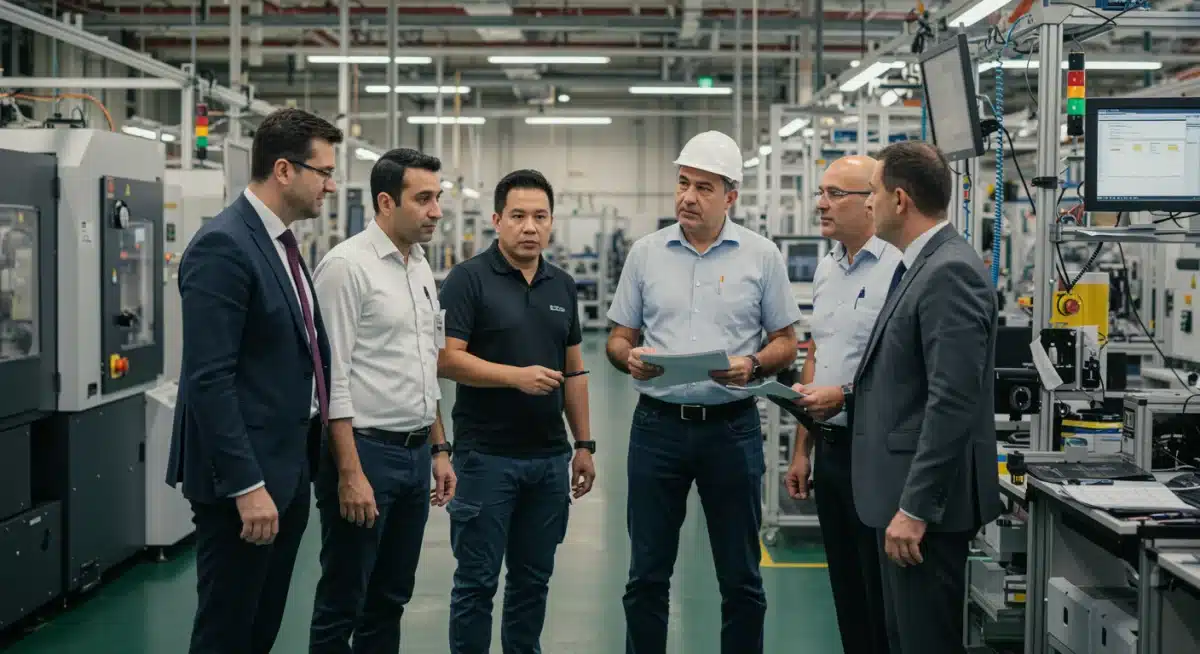
Navigating the landscape reshaped by the 2026 EPA Emissions standards requires strategic foresight and decisive action from US auto manufacturers. The 15% shift demands a comprehensive approach that encompasses product development, manufacturing processes, supply chain management, and consumer engagement.
Accelerated Electrification Roadmaps
Manufacturers must accelerate their electrification roadmaps, bringing more BEV and PHEV models to market across various segments. This involves not only passenger cars but also light trucks and SUVs, which represent a significant portion of the US market. Investing in dedicated EV platforms that can support multiple vehicle types will be crucial for achieving economies of scale and reducing development costs.
Vertical Integration and Supply Chain Resiliency
To mitigate risks associated with critical EV components, particularly batteries, many manufacturers are pursuing greater vertical integration. This includes investing in battery cell production, establishing joint ventures with battery suppliers, and securing long-term contracts for raw materials. Building more resilient and localized supply chains will be paramount to ensure consistent production and reduce vulnerability to geopolitical disruptions.
Manufacturing Process Optimization
The 15% shift requires a fundamental re-evaluation and optimization of manufacturing processes. This includes adopting advanced robotics and automation for EV assembly, implementing lean manufacturing principles to reduce waste and improve efficiency, and integrating sustainable practices throughout the production cycle to minimize the environmental footprint of factories. Training and upskilling the existing workforce to manage these new processes is also a critical adaptation.
Consumer Education and Charging Solutions
For the transition to EVs to be successful, consumer adoption is key. Manufacturers need to invest in educating consumers about the benefits of EVs, addressing range anxiety, and simplifying the charging experience. This includes partnering with charging network providers, offering home charging solutions, and developing intuitive in-car navigation systems that integrate charging station information. Building consumer confidence in EV technology is as important as building the vehicles themselves.
Advocacy and Policy Engagement
Automakers must continue to engage with policymakers and regulatory bodies to ensure that future emissions standards are achievable and that supporting infrastructure and incentives are in place. This includes advocating for consistent national policies, investments in charging infrastructure, and continued consumer purchase incentives to ease the transition and support market growth.
The Broader Environmental and Societal Impact
Beyond the immediate economic and technological shifts, the 2026 EPA Emissions standards, and the resulting 15% impact on US auto manufacturing, promise significant broader environmental and societal benefits. These regulations are a cornerstone of the nation’s strategy to combat climate change and improve public health.
Improved Air Quality and Public Health
A primary benefit of stricter emissions standards is improved air quality. Reduced emissions of pollutants like NOx, PM, and ozone precursors will lead to fewer respiratory illnesses, cardiovascular diseases, and premature deaths, particularly in urban areas. This has a direct positive impact on public health and reduces healthcare costs.
Climate Change Mitigation
By significantly reducing greenhouse gas emissions from the transportation sector, the 2026 EPA Emissions standards contribute directly to climate change mitigation efforts. Decarbonizing transportation is a critical step towards achieving national and international climate goals, helping to limit global temperature rise and avert the most severe impacts of climate change.
Energy Security and Innovation Leadership
A move towards electric vehicles reduces reliance on fossil fuels, enhancing national energy security and reducing vulnerability to volatile global oil markets. Furthermore, by pushing for innovation in advanced vehicle technologies, the US automotive industry can reassert its leadership in a critical global sector, fostering economic growth and creating high-quality jobs.
Long-Term Sustainability
The 15% shift represents a step towards a more sustainable transportation system. While challenges remain, particularly around battery recycling and responsible sourcing of raw materials, the overall trajectory is towards a cleaner, more efficient, and environmentally friendly automotive future. This long-term sustainability benefits future generations and ensures a healthier planet.
Conclusion: Navigating the Future of US Auto Manufacturing
The 2026 EPA Emissions standards are not merely a regulatory hurdle; they are a powerful accelerant for innovation and transformation within US auto manufacturing. The projected 15% impact signifies a profound reorientation of the industry, driven by an imperative to reduce environmental footprints and embrace cleaner technologies. While the path ahead is fraught with challenges—from substantial investment requirements and supply chain complexities to workforce retraining and consumer adoption—the opportunities are equally immense.
US automakers that strategically adapt, invest in cutting-edge technologies, build resilient supply chains, and prioritize sustainable manufacturing practices will not only meet the EPA’s mandates but also emerge as leaders in the global automotive landscape. The shift towards electrification and lower emissions is irreversible, and the 2026 standards serve as a critical benchmark in this journey. By embracing this change, the US automotive industry can secure a sustainable, prosperous, and environmentally responsible future, delivering cleaner air and a healthier planet for all.