2026 Policy Shifts: New Emissions Standards Boosting EV Adoption by 20%
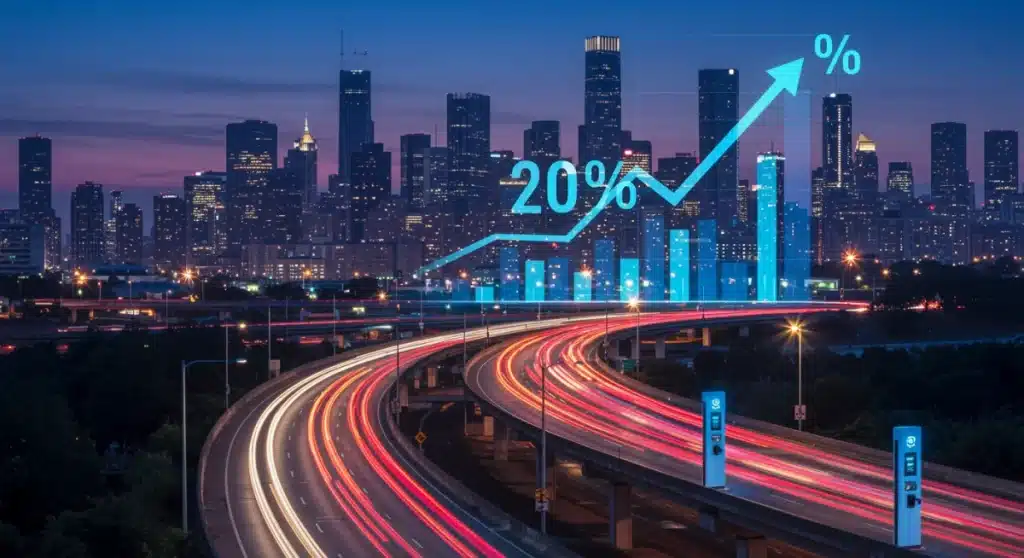
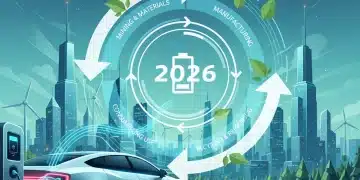
The global automotive landscape is on the cusp of a profound transformation, driven by an accelerating imperative to combat climate change and foster sustainable transportation. As we approach 2026, a series of pivotal policy shifts and stringent new emissions standards are poised to act as a powerful catalyst, significantly accelerating the adoption of Electric Vehicles (EVs). Experts predict these changes will lead to a remarkable 20% increase in EV adoption, fundamentally reshaping consumer choices, manufacturing strategies, and infrastructure development worldwide. This comprehensive article delves into the intricacies of these forthcoming regulations, exploring their mechanisms, anticipated impacts, and the exciting opportunities they present for a cleaner, more sustainable future.
Understanding the New Emissions Standards and Policy Shifts
The year 2026 marks a critical juncture for environmental policy, with many nations and regional blocs introducing or tightening emissions regulations. These standards are not merely incremental adjustments; they represent a concerted global effort to drastically reduce greenhouse gas emissions from the transportation sector. The primary goal is to push automotive manufacturers towards a rapid transition from internal combustion engine (ICE) vehicles to zero-emission alternatives, predominantly EVs.
Key Components of the 2026 Policy Framework:
- Stricter Tailpipe Emissions Limits: These are the bedrock of the new policies, imposing significantly lower permissible levels of pollutants like carbon dioxide (CO2), nitrogen oxides (NOx), and particulate matter. Manufacturers failing to meet these limits face hefty fines, creating a strong financial incentive to shift production.
- Increased Fuel Economy Standards: Complementing emissions limits, new mandates require fleets to achieve higher average fuel economy targets. Since EVs consume no fossil fuels, increasing EV sales directly helps manufacturers meet these stringent requirements.
- Zero-Emission Vehicle (ZEV) Mandates: Some regions are implementing or expanding ZEV mandates, requiring a certain percentage of a manufacturer’s annual sales to be zero-emission vehicles. This directly forces the production and marketing of EVs.
- Incentives and Subsidies for EV Adoption: Alongside punitive measures for ICE vehicles, governments are bolstering incentives for consumers and businesses to purchase EVs. These include tax credits, rebates, reduced registration fees, and preferential parking, making EVs more financially attractive.
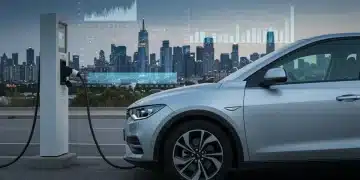
- Investment in Charging Infrastructure: Recognizing that charging availability is a key barrier to EV adoption, significant public and private investments are being channeled into expanding and upgrading charging networks, including fast-charging stations and residential solutions.
- Battery Technology and Recycling Regulations: Policies are also emerging to address the lifecycle of EV batteries, promoting research into more efficient and sustainable battery technologies, and establishing frameworks for responsible recycling and disposal.
These multifaceted policy shifts create a powerful ecosystem designed to accelerate EV adoption acceleration. They address both the supply side (manufacturers) and the demand side (consumers), creating a synergistic push towards electrification.
The Mechanism of Accelerated EV Adoption
The projected 20% acceleration in EV adoption is not an arbitrary figure; it’s a calculated outcome based on the interplay of several factors influenced by the 2026 policy shifts. This acceleration will manifest through various channels:
Manufacturer Response and Portfolio Shift
Facing escalating penalties for non-compliance and recognizing the inevitable shift, automotive manufacturers are already recalibrating their strategies. The new standards will intensify this pressure, leading to:
- Rapid Model Expansion: Expect a surge in new EV models across all segments – from compact cars to SUVs and even commercial vehicles. Manufacturers will prioritize EV research, design, and production.
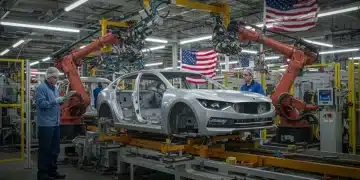
- Increased Production Capacities: Billions are being invested in converting existing factories and building new ones dedicated to EV manufacturing, scaling up supply to meet anticipated demand.
- Competitive Pricing: As production scales and battery costs continue to decline, combined with government incentives, the total cost of ownership (TCO) for EVs will increasingly become competitive with, and in many cases surpass, that of ICE vehicles.
- Marketing and Sales Focus: Manufacturers will heavily promote their EV lineups, educating consumers and dispelling myths about electric vehicles.
Consumer Behavior and Market Dynamics
While manufacturers drive the supply, consumer willingness to adopt EVs is paramount. The 2026 policies will influence consumer behavior by:
- Enhanced Financial Attractiveness: Government incentives, coupled with lower running costs (electricity vs. gasoline, reduced maintenance), will make EVs more appealing economically.
- Increased Awareness and Education: Greater public discourse around climate change and the benefits of EVs, fueled by policy initiatives, will raise awareness and understanding.
- Improved Charging Infrastructure: The expansion of public and private charging options will alleviate range anxiety, a significant barrier to EV adoption.
- Technological Advancements: Continuous improvements in battery range, charging speed, and vehicle performance will enhance the overall EV user experience.
The Economic and Environmental Impact of EV Adoption Acceleration
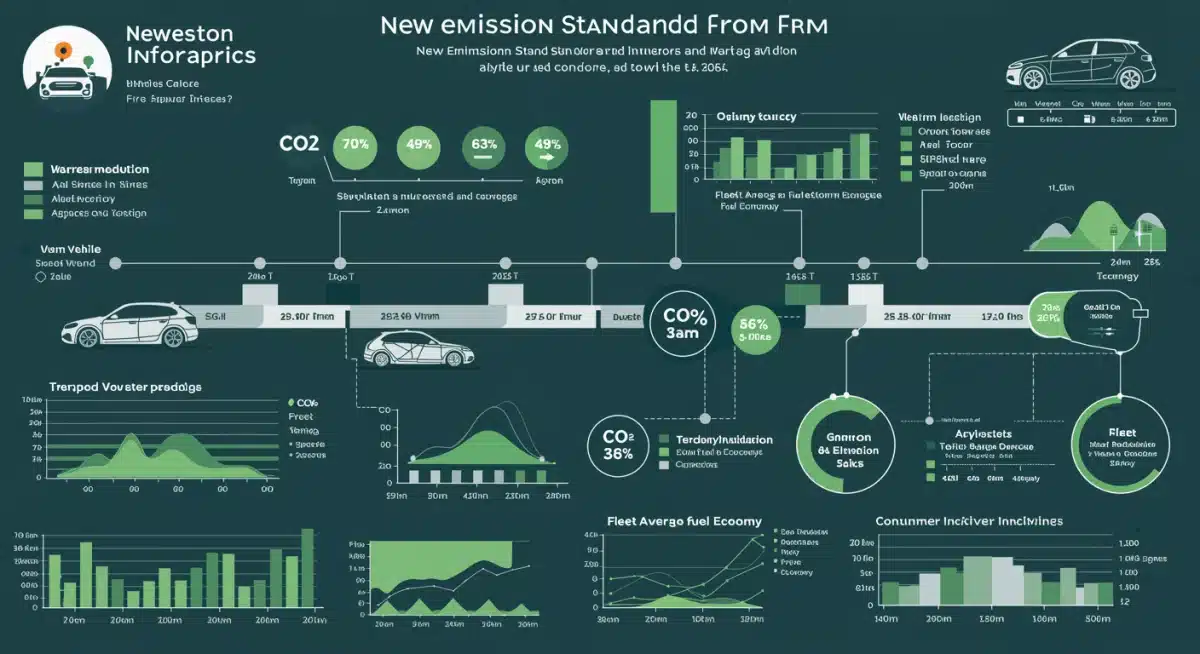
The projected 20% acceleration in EV adoption by 2026 carries profound implications, extending far beyond simply reducing tailpipe emissions. It represents a significant stride towards broader economic and environmental sustainability.
Environmental Benefits:
- Significant Reduction in Greenhouse Gas Emissions: A rapid shift to EVs, especially when coupled with renewable energy sources for electricity generation, will drastically cut CO2 emissions, directly contributing to climate change mitigation targets.
- Improved Air Quality: EVs produce zero tailpipe emissions, leading to a substantial reduction in local air pollutants like NOx and particulate matter, which are major contributors to respiratory diseases and urban smog. This will lead to healthier cities and improved public health outcomes.
- Reduced Noise Pollution: Electric vehicles operate significantly quieter than their ICE counterparts, contributing to a reduction in urban noise pollution and creating more serene living environments.
- Decreased Reliance on Fossil Fuels: Accelerated EV adoption lessens global dependence on oil, enhancing energy security and reducing geopolitical tensions associated with oil supply.
Economic Benefits:
- Job Creation: The transition to EVs is spurring growth in new industries and creating jobs in battery manufacturing, charging infrastructure development, software engineering for vehicle systems, and specialized EV maintenance.
- Innovation and Technological Advancement: The intense competition and policy push will drive continuous innovation in battery technology, power electronics, autonomous driving features, and smart charging solutions, fostering technological leadership.
- Energy Savings for Consumers: While electricity prices vary, charging an EV is generally cheaper per mile than fueling an ICE vehicle, especially when considering off-peak charging. This translates into significant long-term savings for consumers.
- Reduced Healthcare Costs: Improved air quality stemming from fewer ICE vehicles can lead to a decrease in respiratory illnesses, potentially lowering public healthcare expenditures.
- New Revenue Streams: Governments may see new revenue streams from EV registration fees or taxes on electricity used for charging, helping to fund infrastructure improvements.
Challenges and Considerations for Sustained EV Adoption Acceleration
While the outlook for EV adoption acceleration is optimistic, several challenges must be addressed to ensure this growth is sustained and equitable. Policy makers, industry leaders, and consumers all have a role to play in overcoming these hurdles.
Infrastructure Development:
- Charging Network Expansion: Despite significant investments, the charging infrastructure, particularly fast-charging and rural coverage, needs to keep pace with the exponential growth in EV sales.
- Grid Modernization: The electricity grids in many regions need substantial upgrades to handle increased demand from EV charging, especially during peak hours, and to integrate more renewable energy sources.
Supply Chain and Raw Materials:
- Critical Mineral Supply: The increased demand for EV batteries will put pressure on the supply of critical minerals like lithium, cobalt, and nickel. Sustainable sourcing, new extraction methods, and robust recycling programs are crucial.
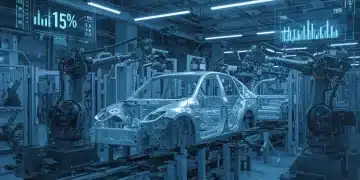
- Manufacturing Capacity: While manufacturers are investing heavily, scaling production to meet a 20% acceleration in EV adoption requires careful planning and execution to avoid bottlenecks.
Consumer Acceptance and Education:
- Upfront Cost: Despite decreasing TCO, the initial purchase price of EVs can still be higher than comparable ICE vehicles, especially without incentives.
- Range Anxiety: While battery ranges are improving, public perception of range anxiety persists, necessitating continued education and visible charging infrastructure.
- Awareness and Misinformation: Overcoming misinformation and ensuring consumers understand the benefits and practicalities of EV ownership is vital.
Policy Harmonization and Consistency:
- Global Standards: Lack of harmonized global standards for charging, vehicle specifications, and emissions can complicate manufacturing and market entry.
- Long-term Policy Stability: Consistent and predictable policy frameworks are essential to provide certainty for manufacturers and investors, encouraging sustained investment in EV technology.
Addressing these challenges proactively will be key to maximizing the benefits of accelerated EV adoption and ensuring a smooth transition to an electrified transportation system.
Regional Variations and Global Impact
While the overall trend points towards significant EV adoption acceleration, the pace and specifics will vary by region, influenced by local policy priorities, economic conditions, and existing infrastructure.
Leading Regions:
- Europe: Already a leader in EV adoption, Europe’s stringent emissions targets and robust incentive programs will continue to drive rapid growth. Countries like Norway, Germany, and the UK are expected to maintain high EV market shares.
- China: The world’s largest EV market, China’s strong government support, extensive charging network, and domestic manufacturing capabilities will ensure continued dominance and accelerate its transition.
- North America: With significant federal and state-level investments and policy pushes (e.g., California’s ZEV mandates), the U.S. and Canada are poised for substantial EV growth, though infrastructure development remains a key focus.
Emerging Markets:
Developing nations also stand to benefit from EV adoption, particularly in urban areas facing severe air pollution. While initial costs can be a barrier, the long-term economic and environmental benefits are compelling. Policies in these regions may focus on:
- Public Transportation Electrification: Prioritizing electric buses and taxis to maximize air quality benefits in dense urban centers.
- Affordable EV Models: Encouraging the production and import of more budget-friendly EV options.
- Decentralized Charging Solutions: Exploring innovative charging models, including battery swapping stations and micro-grids.
The global impact of this accelerated EV adoption will be far-reaching, fostering international collaboration on technology, policy, and supply chains. It will also create new avenues for trade and investment in green technologies.
The Future Beyond 2026: Sustaining the Momentum
The 2026 policy shifts are not an endpoint but a crucial milestone in the journey towards a fully electrified and sustainable transportation system. To maintain and even surpass the projected 20% acceleration in EV adoption, ongoing efforts will be vital:
Continuous Policy Evolution:
Governments must remain agile, adapting policies to emerging technologies and market dynamics. This includes:
- Refining Incentive Programs: Gradually shifting from purchase incentives to those promoting charging infrastructure or battery recycling as the market matures.
- Supporting R&D: Investing in research for next-generation battery technologies, charging solutions, and smart grid integration.
- Cross-Sector Collaboration: Fostering partnerships between the automotive industry, energy sector, urban planners, and technology providers.
Technological Advancements:
Innovation will continue to drive the market:
- Battery Breakthroughs: Expect solid-state batteries, greater energy density, faster charging, and lower costs.
- Vehicle-to-Grid (V2G) Technology: EVs becoming active participants in the energy grid, providing power back during peak demand.
- Autonomous Electric Vehicles: The convergence of autonomous driving with electric powertrains will open new possibilities for mobility services.
Public Engagement and Education:
Sustained public support is paramount. This involves:
- Transparent Communication: Clearly articulating the benefits and addressing concerns about EVs.
- Showcasing Success Stories: Highlighting positive experiences of EV owners and the environmental improvements in cities.
- Community Involvement: Engaging local communities in planning charging infrastructure and promoting EV readiness.
Conclusion
The 2026 policy shifts and new emissions standards are not just regulatory hurdles for the automotive industry; they are a powerful mandate for change and an unprecedented opportunity for EV adoption acceleration. The projected 20% increase in EV uptake by this period underscores a pivotal moment in our collective effort to combat climate change and build a more sustainable future. While challenges remain, the concerted efforts of governments, manufacturers, and consumers will undoubtedly pave the way for an electrified transportation ecosystem that is cleaner, quieter, and more efficient. The road ahead is electric, and the journey is accelerating.