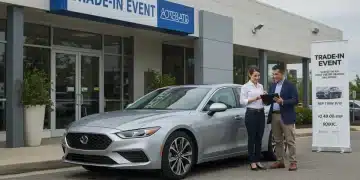
Trade-In Secrets 2026: Maximize Your Vehicle’s Value by an Extra 7%
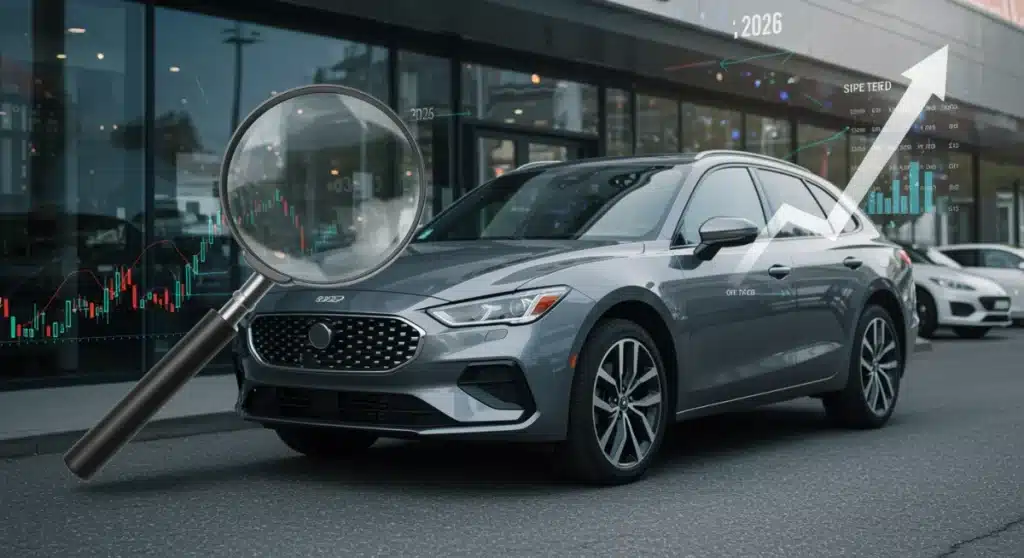
Trade-In Secrets 2026: Maximize Your Vehicle’s Value by an Extra 7%
In the dynamic world of automotive sales, getting the most out of your old vehicle when trading it in can feel like a high-stakes negotiation. With the market constantly shifting, especially as we look towards 2026, understanding the nuances of the trade-in process is more crucial than ever. This comprehensive guide is designed to equip you with the insider knowledge and practical strategies to significantly boost your vehicle trade-in value, potentially adding an extra 7% to your offer. This isn’t just about cleaning your car; it’s about strategic preparation, informed negotiation, and understanding market trends.
The goal is simple: transform your current vehicle from just ‘another used car’ into a desirable asset that dealerships are eager to acquire. By focusing on key areas, you can influence the appraisal in your favor and walk away with a better deal on your next purchase. Let’s dive into the essential steps and secrets that will make a tangible difference in your vehicle trade-in value.
Understanding the 2026 Automotive Market Landscape
Before we delve into specific tactics, it’s vital to grasp the broader context of the 2026 automotive market. Economic factors, technological advancements, and consumer preferences all play a significant role in determining your vehicle trade-in value. We anticipate a continued emphasis on fuel efficiency, advanced safety features, and connectivity. Vehicles that align with these trends, even if older, tend to hold their value better.
The Impact of Supply and Demand
The fundamental principle of supply and demand remains paramount. If there’s high demand for used vehicles in your specific make, model, and year, your trade-in value will naturally be higher. Keep an eye on local and regional market trends. Are compact SUVs in high demand? Are sedans experiencing a resurgence? Knowing this can help you strategically time your trade-in or highlight features that align with current buyer interest.
Technological Evolution and Depreciation
New car technology evolves rapidly. While your 2020 model might have felt cutting-edge a few years ago, by 2026, many of its features might be standard or even outdated in newer models. However, certain timeless technologies, like robust infotainment systems, reliable navigation, or advanced driver-assistance systems (ADAS), if well-maintained, can still add to your vehicle trade-in value. The key is to demonstrate that these features are fully functional and up-to-date where possible.
Sustainability and Electric Vehicle (EV) Trends
As sustainability becomes a global priority, the market for electric and hybrid vehicles continues to expand. If your trade-in is an EV or hybrid, its value might be influenced by battery health and charging infrastructure advancements. For traditional internal combustion engine (ICE) vehicles, exceptional fuel economy can be a strong selling point. Highlighting your vehicle’s efficiency or eco-friendly aspects can appeal to a broader market segment.
Pre-Appraisal Preparation: The Foundation of a Higher Trade-In
The most significant gains in your vehicle trade-in value come from thorough preparation. This isn’t just about making your car look good; it’s about presenting a well-maintained, reliable, and appealing package to the dealership. Think of it as preparing a house for sale – first impressions matter immensely.
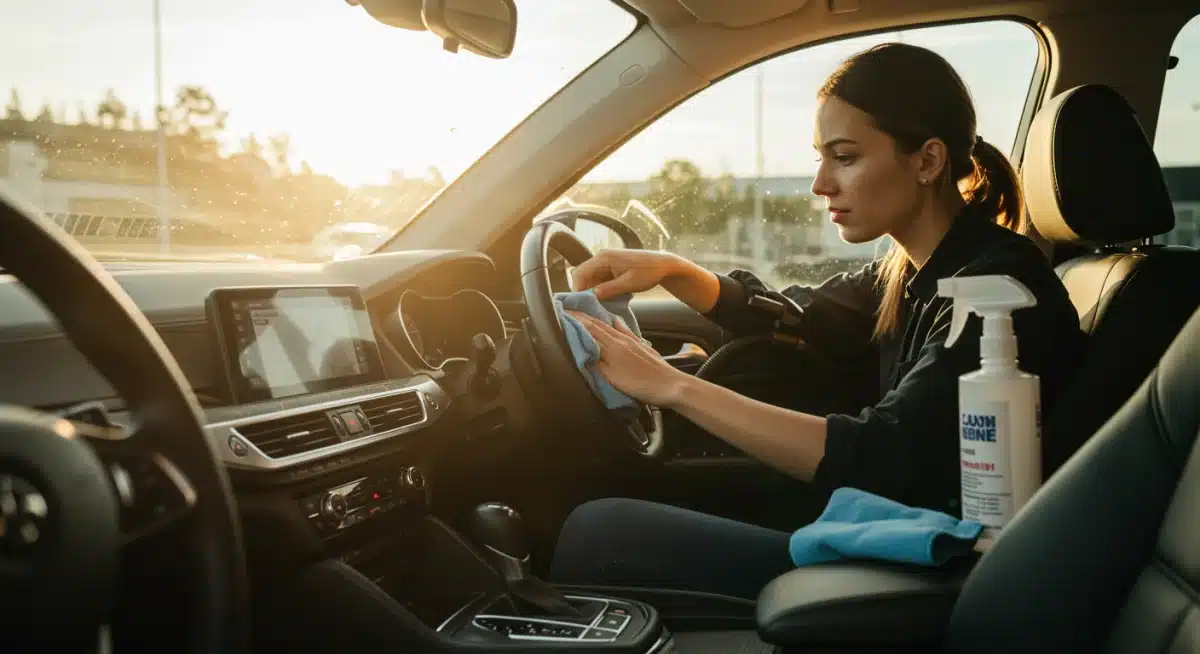
1. Detailed Cleaning and Detailing: More Than Just a Wash
A clean car signals a well-cared-for car. This goes beyond a quick car wash. Invest in a professional detailing service or dedicate a full day to doing it yourself. Focus on both the interior and exterior. Remove all personal belongings. Vacuum the carpets, shampoo the upholstery (if needed), clean all surfaces, and make sure the windows are spotless. Don’t forget the trunk and under the seats.
- Exterior: Wash, wax, and polish. Address any minor scratches or swirl marks. Clean the wheels and tires thoroughly.
- Interior: Vacuum, wipe down all surfaces, clean windows, air vents, and door jambs. Use a fabric cleaner for stains.
- Engine Bay: A clean engine bay might seem unnecessary, but it can create a strong impression of meticulous maintenance.
A sparkling clean car implies that the owner has taken good care of the vehicle, which can subtly influence the appraiser’s perception of its overall condition and mechanical health. This single step can add a noticeable percentage to your vehicle trade-in value.
2. Minor Repairs and Cosmetic Touches
While you shouldn’t invest in major repairs, addressing small, inexpensive issues can significantly improve perceived value. Think about:
- Bulb Replacements: Replace any burnt-out headlights, taillights, or interior lights.
- Windshield Wipers: New wiper blades are cheap and make the car feel fresher.
- Fluid Top-Offs: Ensure all fluid levels (oil, coolant, washer fluid) are topped off.
- Tire Pressure: Correct tire pressure improves appearance and suggests good maintenance.
- Small Dings/Scratches: Paint touch-up pens can hide minor blemishes effectively.
- Dashboard Warning Lights: If a check engine light is on for a simple fix (e.g., loose gas cap), address it. If it’s a more serious issue, consider if the cost of repair outweighs the potential increase in trade-in value. Sometimes, an unresolved warning light can drastically reduce your offer.
These minor fixes demonstrate attention to detail and prevent the dealership from using these small flaws to justify a lower appraisal. Remember, every little imperfection can be used as leverage against your desired vehicle trade-in value.
Strategic Valuation: Knowing Your Car’s Worth
Entering a negotiation without knowing your vehicle’s true worth is a recipe for a low offer. Do your homework thoroughly to establish a realistic and ambitious target vehicle trade-in value.
Utilize Online Valuation Tools
Several reputable online tools can provide an estimated value for your car. Use multiple sources for a more accurate picture:
- Kelley Blue Book (KBB): Offers trade-in value, private party value, and retail value.
- Edmunds: Provides similar valuation tools and insights.
- NADAguides: Often used by dealerships, so it’s good to know their perspective.
- CarGurus/Autotrader: Can show you what similar cars are selling for in your area.
Be honest about your car’s condition when using these tools. Overstating its condition will lead to an unrealistic expectation. These estimates will give you a strong baseline for your vehicle trade-in value.
Consider Local Market Conditions
Online tools provide national averages, but your local market might differ. Check local dealership websites and classifieds for similar vehicles to see what they are listed for. A car in high demand in your region might fetch a better price than the national average suggests. Also, consider the time of year; certain vehicle types (e.g., convertibles in summer, SUVs in winter) might have seasonal demand fluctuations.
Get Multiple Trade-In Offers
Do not settle for the first offer. Visit at least two or three different dealerships, even if you don’t plan to buy your next car from them. This provides leverage. Some dealerships might be more aggressive in their offers, especially if they have a specific need for your make and model on their used car lot. Comparing offers will give you a clear understanding of the competitive vehicle trade-in value your car commands.
Negotiation Tactics: Securing That Extra 7%
This is where the rubber meets the road. Armed with preparation and knowledge, you’re ready to negotiate. The goal is to maximize your vehicle trade-in value without letting the dealership manipulate the overall deal.
Separate the Trade-In from the New Car Purchase
This is perhaps the most crucial negotiation strategy. Dealerships often try to bundle the trade-in value with the new car price. This makes it harder to see if you’re getting a good deal on either component. Insist on negotiating the price of the new car first, independent of your trade-in. Once you’ve agreed on the new car’s price, then bring up your trade-in. This prevents the dealership from lowering your trade-in offer while seemingly giving you a better deal on the new car.
Highlight Your Car’s Strengths
During the appraisal, politely point out all the positive aspects of your vehicle. Mention the full service history, any recent maintenance, new tires, low mileage for its age, desirable features, and its excellent cosmetic condition (thanks to your detailing efforts). Be confident in presenting your car’s value proposition. Explain how your meticulous care translates to a higher vehicle trade-in value for them.
Be Prepared to Walk Away
The most powerful negotiation tool is the ability to walk away. If the offer for your trade-in is significantly below your researched value, or if you feel pressured, don’t be afraid to leave. Dealerships often make better offers once they realize you’re serious about taking your business elsewhere. Having multiple offers from other dealerships makes this much easier.
Understand the Dealer’s Perspective
Dealerships buy your car to resell it, so they need to make a profit. They factor in reconditioning costs, market demand, and their desired profit margin. Knowing this helps you set realistic expectations. However, they also want to sell you a new car, and a good trade-in offer can be a powerful incentive to close that deal. This understanding can help you frame your arguments for a higher vehicle trade-in value.
Beyond the Dealership: Alternative Selling Options
While trading in is convenient, it’s not always the path to the absolute highest dollar amount. If your primary goal is maximum cash, consider these alternatives, though they require more effort.
Selling Privately
Selling your car privately typically yields the highest monetary return. You cut out the middleman (the dealership’s profit margin). However, it requires more work: advertising, screening buyers, test drives, paperwork, and dealing with potential hagglers. If you have the time and patience, this can significantly increase your take-home amount compared to a vehicle trade-in value.
Online Used Car Buyers (e.g., Carvana, Vroom, Shift)
These platforms offer a hybrid approach. They provide instant online offers and often pick up your car. While their offers might be slightly lower than a private sale, they are usually higher than a dealership trade-in and offer unparalleled convenience. It’s always worth getting an online quote to compare against your dealership trade-in offers.
Consignment Sales
Some dealerships or specialized consignment lots will sell your car for you, taking a percentage of the sale price. This reduces your effort but still gives you a potentially higher return than a direct trade-in. Ensure you understand the terms and fees involved.
Long-Term Strategies for Maintaining High Trade-In Value
While the immediate preparation is key, consistently maintaining your vehicle over its lifespan is the ultimate secret to a consistently high vehicle trade-in value. Implement these habits from day one with your next car.
Adhere to Manufacturer’s Maintenance Schedule
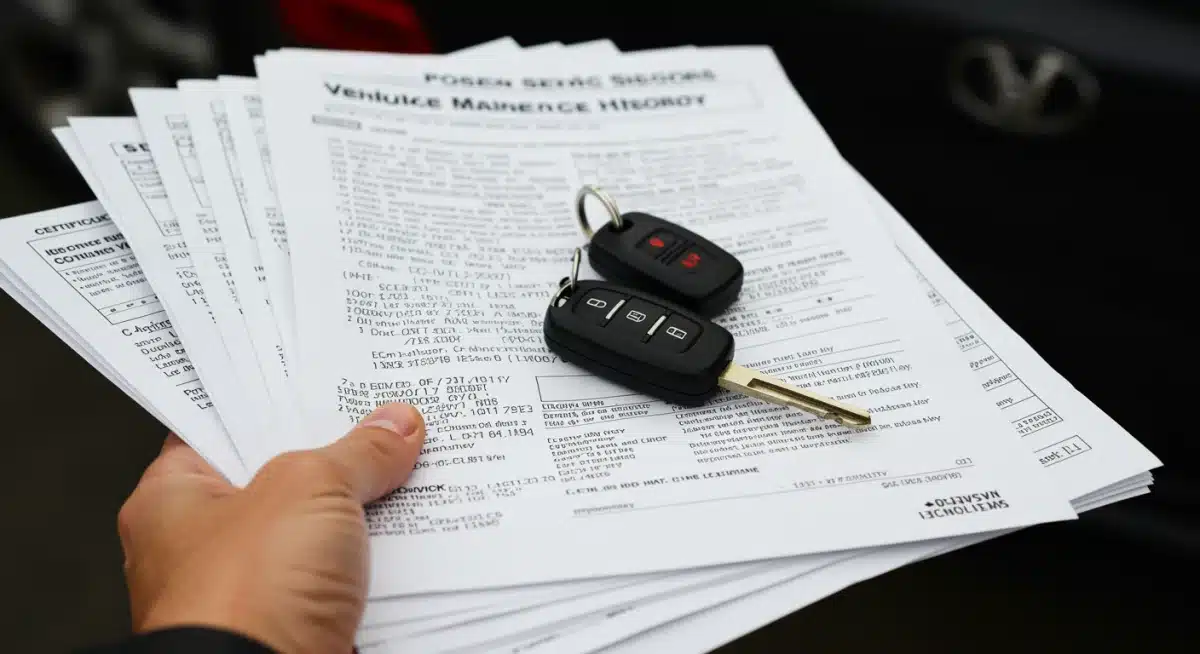
Regular oil changes, tire rotations, fluid checks, and scheduled inspections are non-negotiable. Not only do they keep your car running reliably, but they also provide the crucial service records that prove its well-being. Always keep meticulous records of all maintenance performed.
Protect the Interior and Exterior
Use seat covers, floor mats, and sunshades to protect against wear and tear and UV damage. Regular washing and waxing protect the paint from environmental damage. Address minor dings and scratches promptly before they worsen or lead to rust. Consider paint protection film (PPF) or ceramic coatings for newer vehicles.
Drive Responsibly
Aggressive driving, harsh braking, and rapid acceleration put undue stress on your vehicle’s components, leading to premature wear. Smooth driving habits extend the life of your engine, transmission, brakes, and tires, all of which contribute to a higher vehicle trade-in value.
Keep Up with Technology Updates
If your vehicle has software-upgradable features, ensure they are kept current. Modern cars are increasingly reliant on software, and updated systems can enhance functionality and appeal, contributing to better resale value.
Store Your Vehicle Properly
Whenever possible, park your car in a garage or under cover to protect it from extreme weather, sun exposure, and environmental pollutants. This helps preserve both the exterior finish and interior materials.
Real-World Example: Boosting a 2020 Mid-Size Sedan’s Value
Let’s consider a hypothetical scenario: You own a 2020 Honda Accord EX-L with 45,000 miles. KBB estimates its fair trade-in value at $18,000. By applying the strategies outlined above, you can aim for an additional 7%, or $1,260, bringing your target to $19,260.
- Initial Condition: Good, but with some interior stains, a minor bumper scuff, and overdue oil change. Service records are scattered.
- Action Taken:
- Professional detailing ($200): Interior deep cleaned, exterior waxed, minor scuff polished out.
- Oil change and tire rotation ($100): Catching up on maintenance.
- Organized all service records into a binder.
- Replaced a burnt-out headlight bulb ($15).
- Results: The car now presents as excellent. The dealership appraiser notes the pristine condition and complete service history.
- Negotiation: You obtain three separate trade-in offers: $18,500, $18,900, and $19,300. By leveraging the highest offer and your thorough preparation, you successfully negotiate a final vehicle trade-in value of $19,200 from your preferred dealership.
This example demonstrates how a relatively small investment in time and money, coupled with smart negotiation, can yield a significant return on your vehicle trade-in value.
Common Pitfalls to Avoid
While focusing on maximizing value, it’s equally important to avoid mistakes that can cost you money.
Over-Investing in Repairs
Don’t spend thousands on major repairs (e.g., transmission rebuild, engine overhaul) unless you are absolutely certain the return will outweigh the cost. Dealerships can often perform these repairs at a lower cost than an independent shop, and they might not fully credit you for your investment in the appraisal.
Hiding Issues
Attempting to conceal significant mechanical problems is unethical and can backfire. If a dealership discovers a hidden issue during their more thorough inspection, it can damage trust and lead to a much lower offer, or even a rescinded offer.
Accepting the First Offer Blindly
As mentioned, always get multiple offers. Dealerships expect you to negotiate. Accepting the initial offer without any counter-offer or leverage means you’re almost certainly leaving money on the table.
Focusing Solely on the Trade-In
Remember the overall deal. A high trade-in offer might be offset by a higher new car price or unfavorable financing terms. Look at the total cost of the transaction, not just isolated components. Ensure you’re getting a good deal on the new car, a fair price for your trade-in, and competitive financing.
Conclusion: Your Path to a Maximize Vehicle Trade-In Value
Maximizing your vehicle trade-in value in 2026 is an attainable goal with the right approach. It’s a combination of meticulous preparation, informed valuation, and strategic negotiation. By dedicating time to cleaning, minor repairs, and organizing documentation, you create a compelling case for your car’s worth. Leveraging online tools and multiple offers gives you the knowledge and power to negotiate effectively.
Remember, an extra 7% on your trade-in isn’t just a number; it’s significant savings on your next vehicle purchase, or more cash in your pocket. Approach the process with confidence, armed with these secrets, and you’ll be well on your way to a successful and profitable trade-in experience. Happy negotiating!