AI in Auto Manufacturing: Boosting Efficiency 20% by 2026
The automotive industry, a cornerstone of global manufacturing, is undergoing a profound transformation. At the heart of this revolution lies Artificial Intelligence (AI), a technology poised to redefine every facet of vehicle production. The promise of AI in auto manufacturing is not merely incremental improvement; it’s a paradigm shift, targeting unprecedented levels of efficiency, quality, and cost-effectiveness. This article delves into how five prominent US auto plants are spearheading this change, aiming for an ambitious 20% efficiency boost by 2026 through strategic AI implementation.
For decades, automotive assembly lines have been synonymous with automation. Robots have handled repetitive tasks, improving speed and consistency. However, traditional automation, while effective, lacks the cognitive capabilities of AI. AI introduces the ability to learn, adapt, predict, and optimize, moving beyond programmed instructions to intelligent decision-making. This leap is what makes the current wave of AI integration so transformative.
The AI Revolution in Auto Manufacturing: A New Era of Production
The journey towards a 20% efficiency increase in auto manufacturing by 2026 is ambitious but attainable, thanks to the multifaceted applications of AI. From optimizing supply chains to enhancing predictive maintenance, and from revolutionizing quality control to personalizing vehicle production, AI is proving to be an indispensable tool. The competitive landscape demands constant innovation, and companies that fail to embrace AI risk being left behind.
The US automotive sector, a global leader in innovation and production, is particularly fertile ground for AI adoption. With a rich history of manufacturing excellence, these plants are now leveraging cutting-edge AI technologies to solidify their position at the forefront of the industry. The focus is not just on automating tasks but on creating intelligent factories where machines and human workers collaborate seamlessly, driven by data-driven insights.
The term ‘efficiency’ in this context is broad, encompassing reductions in waste, energy consumption, downtime, and production errors, alongside increases in throughput, quality, and worker safety. AI’s ability to process vast amounts of data at speeds impossible for humans allows for real-time optimization and proactive problem-solving, which are critical for achieving such significant efficiency gains.
Defining the 20% Efficiency Boost: What Does It Entail?
Achieving a 20% efficiency boost by 2026 is a significant undertaking. This isn’t just about speeding up a few processes; it involves a holistic re-evaluation and optimization of the entire manufacturing ecosystem. This target encapsulates several key areas:
- Reduced Downtime: AI-powered predictive maintenance can anticipate equipment failures, allowing for scheduled maintenance rather than reactive repairs, drastically cutting unscheduled downtime.
- Optimized Resource Utilization: AI algorithms can optimize the use of raw materials, energy, and labor, minimizing waste and maximizing output.
- Improved Throughput: By optimizing assembly line flow, identifying bottlenecks, and dynamically adjusting production schedules, AI can increase the number of vehicles produced per unit of time.
- Enhanced Quality Control: AI vision systems can detect defects with unparalleled precision and speed, reducing rework and warranty claims.
- Supply Chain Optimization: AI can predict demand fluctuations, optimize inventory levels, and streamline logistics, ensuring materials are available precisely when needed.
- Energy Efficiency: AI can monitor and control energy consumption across the plant, identifying areas for reduction and optimizing usage patterns.
Each of these areas, when collectively optimized through AI, contributes to the overarching goal of a 20% efficiency gain. The interconnectedness of these systems means that improvements in one area often have a ripple effect, positively impacting others.
Pioneering US Auto Plants: Leading the AI Charge
While specific plant names are often proprietary due to competitive advantages, we can discuss the types of facilities and the general strategies employed by leading US automotive manufacturers. These plants represent a cross-section of the industry, from traditional giants to newer electric vehicle manufacturers, all united by their commitment to AI integration.
Plant 1: The Smart Assembly Line Innovator
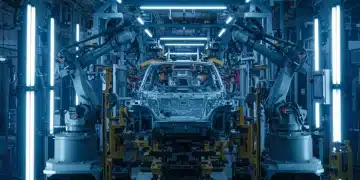
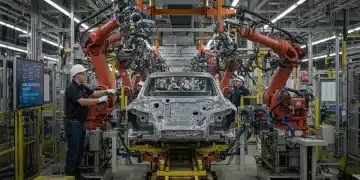
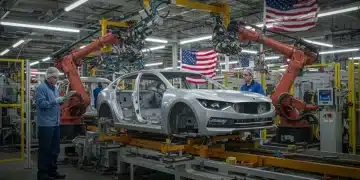
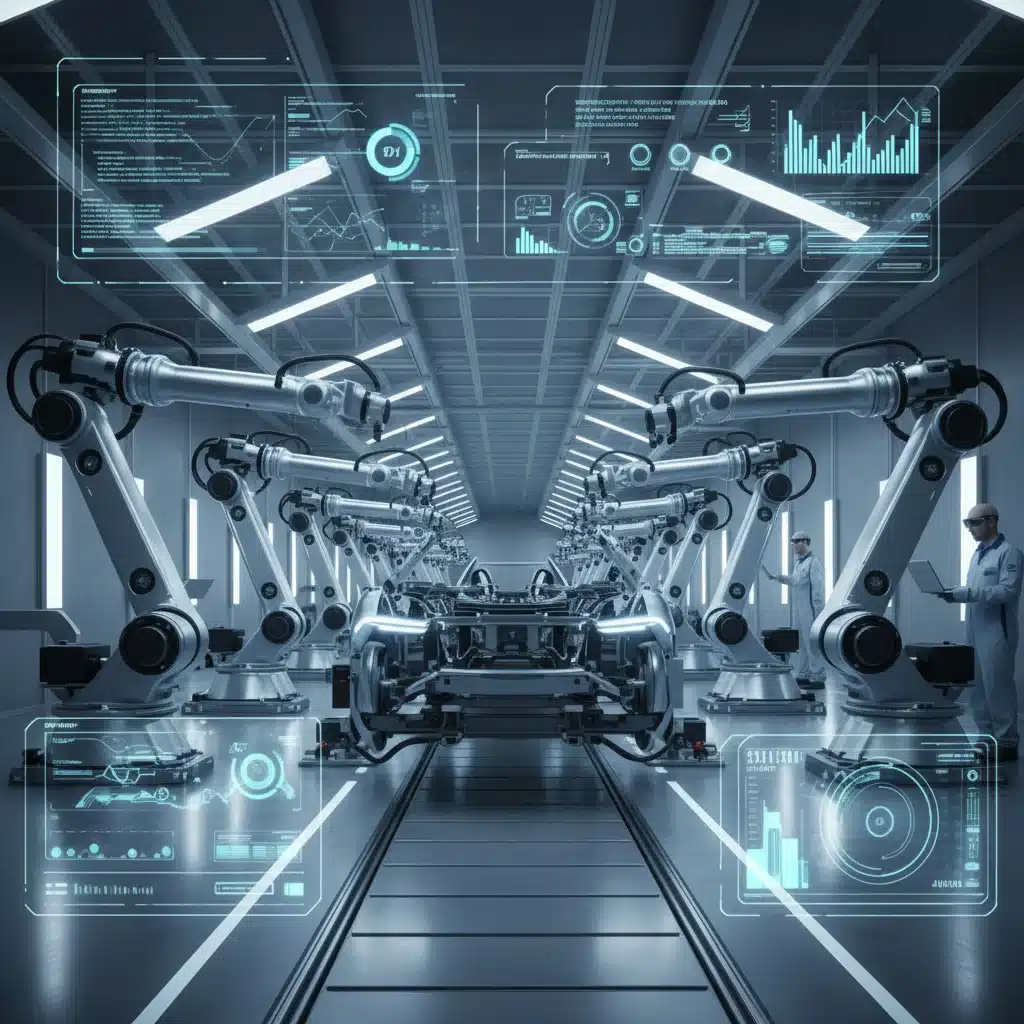
This particular plant, known for its high-volume production of popular sedans and SUVs, has invested heavily in AI-driven smart assembly lines. Their primary focus is on optimizing the flow of vehicles through various stages of production. They employ AI algorithms to analyze real-time data from hundreds of sensors on the line, identifying bottlenecks and predicting potential slowdowns before they occur. Robots, equipped with AI, communicate with each other to dynamically adjust their speed and movements, ensuring a seamless and efficient workflow.
Key AI applications here include:
- Real-time Production Optimization: AI models continuously monitor production rates, equipment status, and material availability, making micro-adjustments to maintain optimal flow.
- Collaborative Robotics (Cobots): Cobots work alongside human operators, assisting with complex or ergonomically challenging tasks, improving both efficiency and safety.
- Predictive Quality Assurance: AI vision systems examine each component and assembly step, flagging even the most minute imperfections that human eyes might miss.
The results have been significant, with a noticeable reduction in cycle times and a marked improvement in first-pass yield, directly contributing to their efficiency targets for AI auto manufacturing.
Plant 2: The Predictive Maintenance Powerhouse
Specializing in engine and powertrain production, this plant has become a benchmark for AI-powered predictive maintenance. Given the complexity and precision required in engine manufacturing, equipment downtime can be incredibly costly. This plant has deployed a sophisticated network of IoT sensors across all critical machinery, from CNC machines to robotic welders.
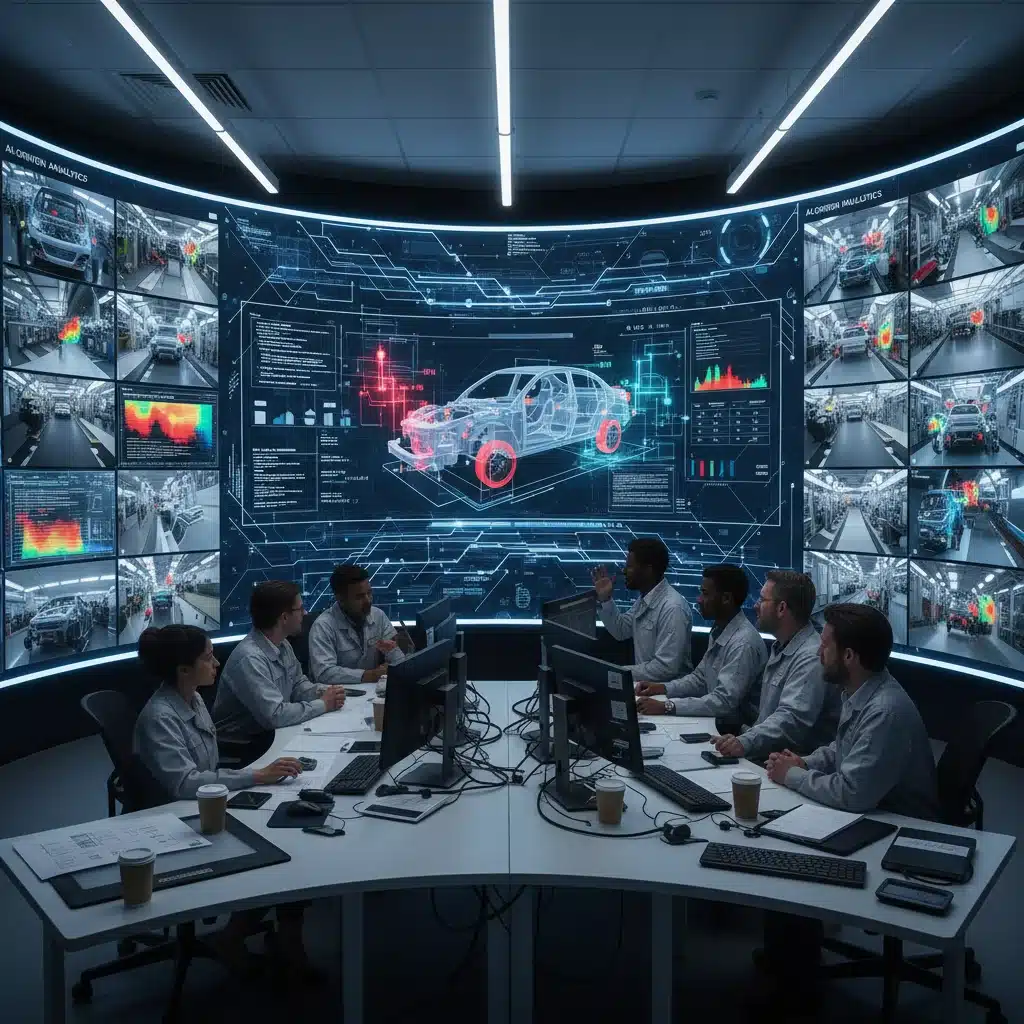
AI algorithms analyze the vast streams of sensor data – vibrations, temperature, pressure, current draw – to detect subtle anomalies that indicate impending equipment failure. This allows maintenance teams to perform proactive repairs during scheduled downtime, rather than scrambling to fix unexpected breakdowns. This proactive approach has dramatically reduced unscheduled downtime by over 30% in some areas, a crucial factor in achieving the overall 20% efficiency boost in AI auto manufacturing.
Plant 3: The AI-Driven Quality Control Champion
This plant, responsible for final vehicle assembly and painting, has embraced AI to elevate its quality control processes to unprecedented levels. Traditional quality checks often involve manual inspections that can be subjective and prone to human error. This plant has implemented advanced AI vision systems and machine learning algorithms that can detect cosmetic imperfections, panel gaps, and paint defects with superhuman accuracy and speed.
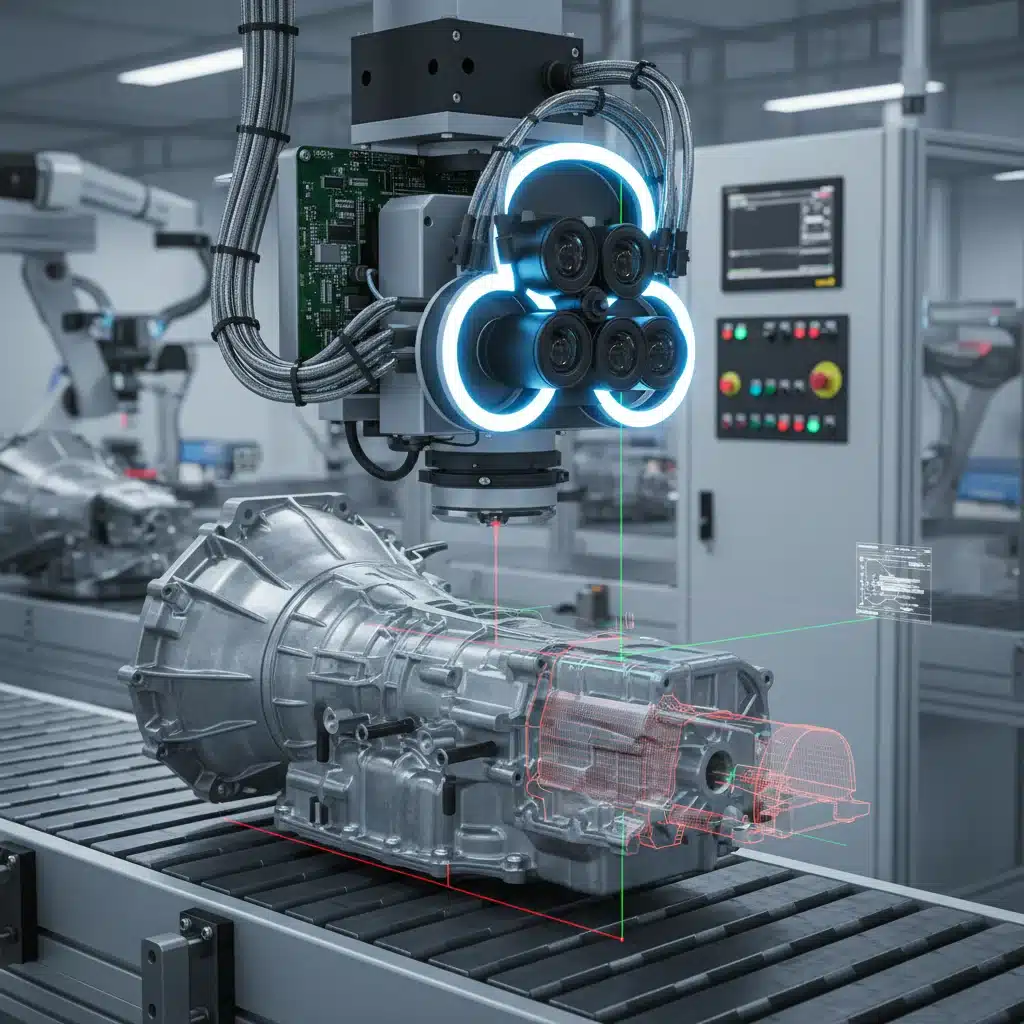
These systems use high-resolution cameras and deep learning models trained on millions of defect images, enabling them to identify flaws that are barely visible to the naked eye. This not only ensures a higher quality product leaving the factory but also provides valuable data for process improvement upstream, addressing the root causes of defects. The reduction in rework and warranty claims has been a significant contributor to their efficiency gains in AI auto manufacturing.
Plant 4: The Supply Chain Optimization Guru
For a plant focused on electric vehicle battery production, managing a complex global supply chain is paramount. This plant utilizes AI to optimize everything from raw material procurement to finished battery pack distribution. AI models analyze market trends, geopolitical events, weather patterns, and historical data to predict demand for specific materials and components, ensuring optimal inventory levels.
Furthermore, AI-powered logistics systems optimize transportation routes, reduce shipping costs, and minimize the carbon footprint of their supply chain. By accurately forecasting demand and ensuring just-in-time delivery of critical components, this plant has significantly reduced carrying costs and avoided costly production delays, driving efficiency across their AI auto manufacturing operations.
Plant 5: The Energy Management Maverick
Operating a large stamping and body shop, this plant consumes a substantial amount of energy. Recognizing the environmental and economic benefits, they have implemented an AI-driven energy management system. This system monitors real-time energy consumption across all machinery, lighting, and HVAC systems.
AI algorithms analyze this data in conjunction with production schedules, weather forecasts, and energy prices to dynamically adjust energy usage. For instance, non-critical systems might be powered down during peak electricity price hours, or machinery could be scheduled for maintenance during periods of lower energy demand. This intelligent energy management has led to a measurable reduction in energy costs and a smaller carbon footprint, contributing directly to the plant’s overall operational efficiency in AI auto manufacturing.
The Technologies Powering AI in Auto Manufacturing
The successful integration of AI in these plants relies on a suite of advanced technologies:
- Machine Learning (ML): The core of AI, ML algorithms learn from data to identify patterns, make predictions, and automate decision-making.
- Deep Learning (DL): A subset of ML, DL networks (like neural networks) are particularly adept at tasks like image recognition (for quality control) and natural language processing (for human-machine interfaces).
- Computer Vision: Enables machines to ‘see’ and interpret visual information, crucial for inspection, robotic guidance, and defect detection.
- Internet of Things (IoT): A network of sensors and devices that collect and transmit vast amounts of real-time data from the factory floor, feeding AI algorithms.
- Robotics and Collaborative Robotics (Cobots): AI enhances traditional robotics by giving them greater autonomy, adaptability, and the ability to work safely alongside humans.
- Edge Computing: Processing data closer to the source (e.g., on the factory floor) reduces latency and allows for faster, real-time decision-making, vital for critical operations.
- Cloud Computing: Provides the scalable infrastructure for storing and processing massive datasets and running complex AI models.
The synergy between these technologies is what unlocks the full potential of AI auto manufacturing, enabling the sophisticated systems described above.
Challenges and Considerations in AI Adoption
While the benefits are clear, implementing AI in auto manufacturing is not without its challenges. The 20% efficiency boost by 2026 requires overcoming several hurdles:
- Data Management and Quality: AI models are only as good as the data they are trained on. Ensuring clean, accurate, and relevant data from diverse sources is a significant undertaking.
- Integration with Legacy Systems: Many auto plants have existing infrastructure and machinery. Integrating new AI systems with these legacy systems can be complex and costly.
- Skilled Workforce: There’s a growing need for workers with AI expertise, including data scientists, AI engineers, and technicians who can operate and maintain AI-powered systems. Reskilling and upskilling the existing workforce are crucial.
- Cybersecurity: Connecting more devices and systems to the network increases the attack surface. Robust cybersecurity measures are essential to protect sensitive data and prevent disruptions.
- Initial Investment: The upfront cost of AI hardware, software, and talent can be substantial, requiring a clear ROI justification.
- Ethical Considerations: As AI takes on more decision-making roles, ethical questions regarding accountability, bias, and job displacement must be addressed.
These challenges underscore the need for a strategic, phased approach to AI implementation, with strong leadership and cross-functional collaboration.
The Future Outlook: Beyond 2026
The goal of a 20% efficiency boost by 2026 is just the beginning. The continuous evolution of AI auto manufacturing promises even more transformative changes in the years to come. We can anticipate:
- Hyper-Personalization: AI will enable manufacturers to offer vehicles with an unprecedented level of customization, produced efficiently on demand.
- Self-Optimizing Factories: Factories that can autonomously adapt to changing market demands, material availability, and production challenges without human intervention.
- Advanced Human-Robot Collaboration: More sophisticated cobots that can learn from human workers and assist in even more complex tasks, enhancing productivity and safety.
- Sustainable Manufacturing: AI will play an even greater role in minimizing environmental impact through advanced energy management, waste reduction, and material recycling.
- Digital Twins: Comprehensive virtual models of physical factories, continuously updated with real-time data, allowing for simulations and optimizations before physical implementation.
The automotive industry is not just building cars; it’s building the future of manufacturing itself. The integration of AI is not merely a trend; it’s a fundamental shift that will define success for decades to come.
Conclusion: AI as the Engine of Progress in Auto Manufacturing
The ambitious target of a 20% efficiency boost by 2026 for US auto plants through AI auto manufacturing is a testament to the power and potential of artificial intelligence. The five types of plants highlighted demonstrate how AI is being applied across various stages of production, from the initial assembly line to quality control, maintenance, and supply chain management. These pioneering efforts are not only driving down costs and improving product quality but are also paving the way for a more sustainable and responsive manufacturing ecosystem.
The journey is complex, fraught with technological and organizational challenges, but the rewards are substantial. As AI continues to mature and integrate more deeply into the operational fabric of these facilities, we can expect to see even greater leaps in productivity and innovation. The American automotive industry, by embracing AI with such vigor, is not just securing its own future but is also setting a global benchmark for what intelligent manufacturing can achieve. The era of AI-driven automotive production is here, and its impact is only just beginning to unfold.