Used Car Inspection Checklist 2026: Your Essential 20-Point Guide
Used Car Inspection Checklist 2026: Your Essential 20-Point Guide Before You Buy
Buying a used car can be an excellent way to get a great vehicle at a fraction of the cost of a new one. However, it also comes with its own set of risks. Without a thorough used car inspection, you could end up with a money pit instead of a dream ride. In 2026, with increasingly complex vehicle technologies and evolving maintenance standards, having a comprehensive checklist is more crucial than ever. This guide provides an essential 20-point used car inspection checklist, designed to empower you with the knowledge to make an informed decision and avoid common pitfalls.
The used car market is vast and varied, offering everything from nearly new models with advanced driver-assistance systems to older, reliable workhorses. Regardless of the age or type of vehicle you’re considering, a meticulous inspection is non-negotiable. This isn’t just about spotting obvious damage; it’s about uncovering hidden issues that could lead to significant repair bills down the line. Our used car inspection checklist covers everything from the exterior aesthetics to the intricate mechanics and electronics, ensuring you leave no stone unturned.
Think of this checklist as your personal detective kit. Each point is designed to help you gather crucial evidence about the car’s history, current condition, and potential future problems. Skipping any step could mean overlooking a critical flaw that could cost you hundreds, if not thousands, in repairs. So, grab a pen, print this guide, and let’s dive into the ultimate used car inspection for 2026.
Understanding the Importance of a Detailed Inspection
Before we delve into the specifics, it’s vital to understand why a detailed used car inspection is paramount. A car is a significant investment, and a used car often comes without the manufacturer’s warranty that protects new vehicles. This means any issues that arise after purchase typically fall squarely on your shoulders. A thorough inspection helps you:
- Identify Safety Hazards: Discover problems with brakes, steering, or tires that could compromise your safety.
- Assess True Value: Understand if the asking price aligns with the car’s actual condition.
- Negotiate Better: Uncovered issues give you leverage to negotiate a lower price or request repairs before purchase.
- Predict Future Costs: Get an idea of potential maintenance and repair expenses.
- Gain Peace of Mind: Drive away knowing you’ve made a well-researched decision.
The 2026 automotive landscape features vehicles with sophisticated electronic systems, advanced powertrains, and complex safety features. These advancements, while beneficial, also mean that diagnosing and repairing issues can be more expensive. Therefore, a comprehensive used car inspection is not just about checking the basics; it’s about understanding the entire ecosystem of the vehicle you’re considering.
The 20-Point Used Car Inspection Checklist for 2026
Part 1: Exterior and Body Inspection
The exterior of a car can tell you a lot about its past. Look for inconsistencies that might indicate accidents or poor maintenance. This initial visual assessment is a critical part of your used car inspection.
1. Paint Condition and Body Panels
Walk around the car in good lighting. Look for:
- Color Mismatches: Different shades on adjacent panels can indicate repaint jobs after an accident.
- Overspray: Check rubber seals and trim for paint overspray, another sign of a repaint.
- Dents, Scratches, and Rust: Small imperfections are common, but extensive rust or large dents could be costly to fix. Pay close attention to wheel arches, rocker panels, and door bottoms.
- Panel Gaps: Uneven gaps between body panels (e.g., hood, fenders, doors) suggest the car has been in an accident and repaired, possibly poorly.
2. Glass and Lights
Inspect all windows, the windshield, and mirrors for cracks, chips, or excessive pitting. Small chips on the windshield can spread. Test all exterior lights: headlights (high and low beams), turn signals, brake lights, reverse lights, and fog lights. Ensure all lenses are clear and free from moisture.
3. Tires and Wheels
Tires are a major safety component and an expensive replacement item. This is a crucial step in your used car inspection.
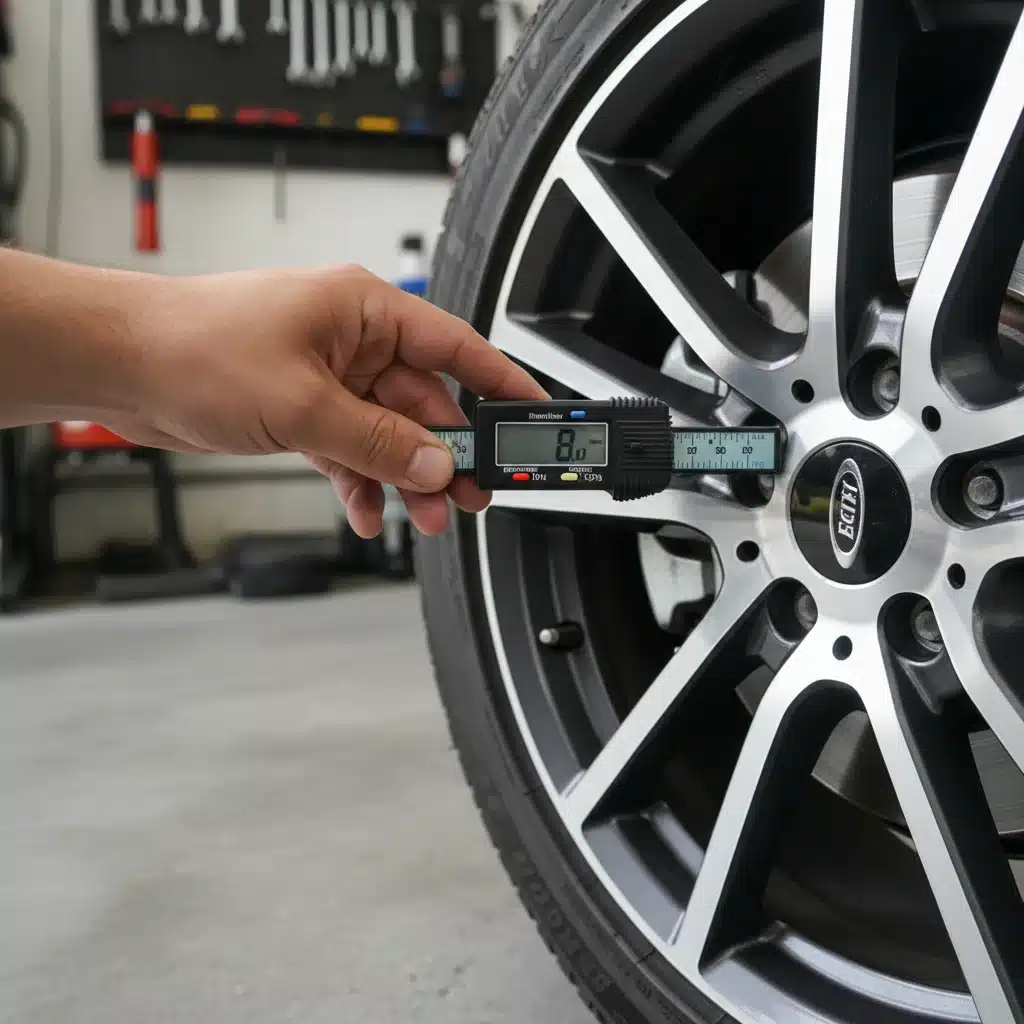
- Tread Depth: Use a penny or a tire tread depth gauge. Insert Lincoln’s head into a tread groove; if you can see the top of his head, the tread is worn. Uneven wear across the tire or between tires can indicate alignment issues, suspension problems, or improper inflation.
- Tire Age: Check the DOT code on the sidewall (e.g., ‘3222’ means the 32nd week of 2022). Tires older than 6 years, regardless of tread, should be considered for replacement due to rubber degradation.
- Sidewall Condition: Look for cracks, bulges, or cuts.
- Wheel Condition: Inspect alloy wheels for curb rash, cracks, or bends. Steel wheels should be free of significant dents.
- Spare Tire/Inflation Kit: Ensure it’s present and in good condition.
4. Underneath the Car
If possible and safe, get down and look under the vehicle. Look for:
- Fluid Leaks: Fresh stains or drips indicate leaks (oil, coolant, transmission fluid, brake fluid).
- Exhaust System: Check for rust, holes, or loose components.
- Suspension Components: Look for bent or damaged parts, especially around the wheels.
- Frame Damage: Signs of welding, kinks, or distortions can indicate previous major accidents.
Part 2: Interior Inspection
The interior reflects how well the previous owner maintained the car and can hint at its overall care. A thorough interior used car inspection reveals a lot.
5. Upholstery and Trim
Check seats, carpets, and headliner for rips, stains, burns, or excessive wear. Pay attention to the driver’s seat and floor mat, as these show the most use. Ensure all interior trim pieces are present and securely fastened.
6. Dashboard and Controls
Test every button, knob, and switch. This includes the radio, air conditioning (hot and cold air), heater, defroster, power windows, power locks, power mirrors, and sunroof. Ensure all gauges work correctly.
7. Warning Lights
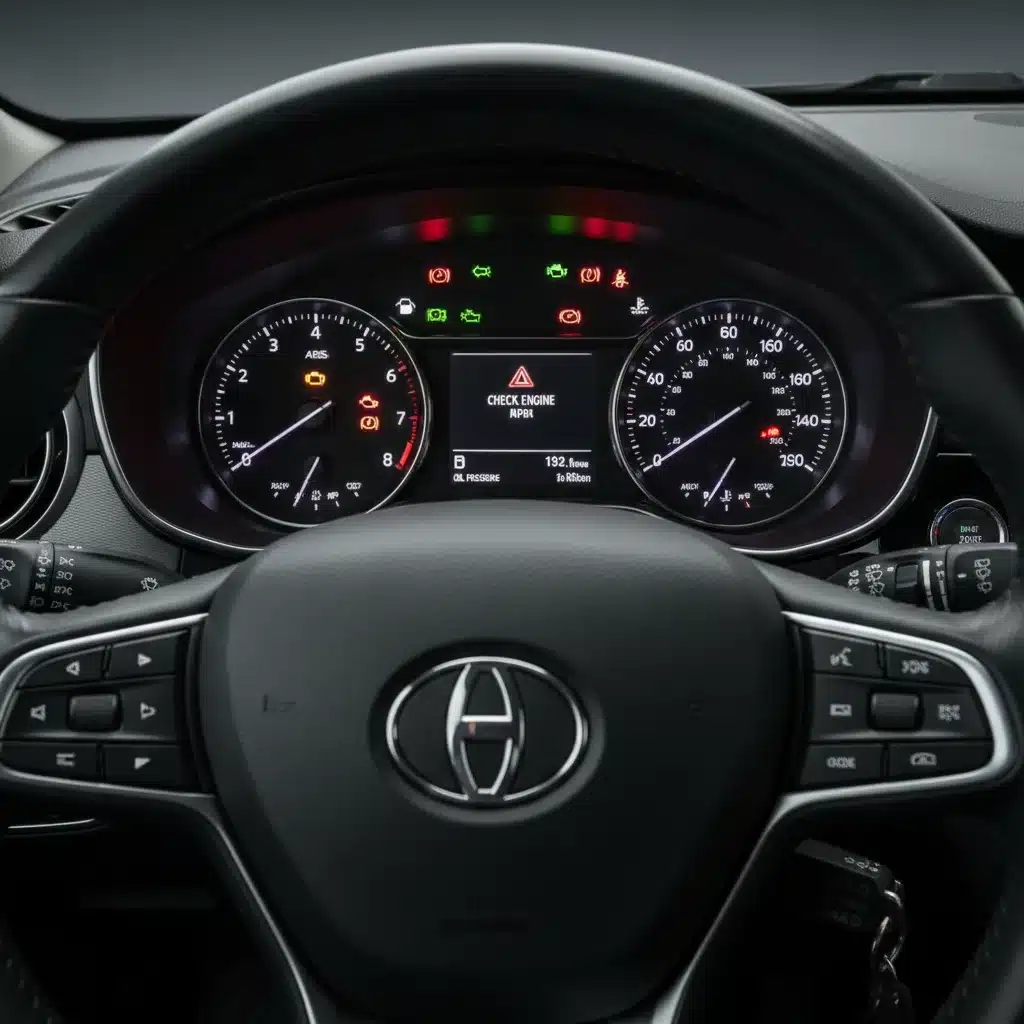
When you turn the key to the “on” position (before starting the engine), most warning lights should illuminate briefly and then turn off. If any remain on after starting the engine (e.g., Check Engine, ABS, Airbag, TPMS), it indicates a problem. This is a critical part of your used car inspection for modern vehicles.
8. Seatbelts and Airbags
Ensure all seatbelts latch and unlatch properly and retract smoothly. Check for any fraying or damage. While you can’t visually inspect airbags, the airbag warning light (point 7) is your indicator here.
9. Odors
Unusual smells can indicate issues: mold/mildew (water leaks), burning oil, coolant, or even stale cigarette smoke that’s hard to remove.
Part 3: Under the Hood (Engine Bay Inspection)
The engine is the heart of the car. A careful used car inspection of the engine bay can reveal a wealth of information about its health and maintenance history.
10. Fluid Levels and Condition
Check the following with the engine off and cool:
- Engine Oil: Pull the dipstick, wipe it clean, reinsert, then pull again. Oil should be at the correct level and look golden to dark brown, not black and gritty.
- Coolant: Check the reservoir level. Coolant should be green, orange, or pink, not rusty or sludgy.
- Brake Fluid: Should be clear or light amber, not dark brown.
- Power Steering Fluid: Check level and color (usually clear/reddish).
- Transmission Fluid: Check per owner’s manual (often with engine running and warm). Should be reddish and clear, not brown or burnt-smelling.
11. Belts and Hoses
Inspect all belts (serpentine, timing belt cover if visible) for cracks, fraying, or excessive wear. Squeeze hoses – they should feel firm but pliable, not hard and brittle or soft and spongy. Look for leaks around hose connections.
12. Battery
Check for corrosion around the terminals. Ensure the battery is securely mounted. Look for a date code on the battery to estimate its age (typically 3-5 years lifespan).
13. Signs of Leaks or Repairs
Look for any fresh oil, coolant, or other fluid stains or residue in the engine bay. Check for mismatched bolts or new-looking parts among older ones, which might indicate recent repairs (good if documented, bad if hidden).
14. Exhaust Smoke (During Startup)
Ask the seller to start the car from cold. Watch the exhaust pipe:
- Blue Smoke: Indicates burning oil.
- White Smoke (thick, sweet-smelling): Indicates burning coolant (head gasket issue).
- Black Smoke: Indicates rich fuel mixture or engine problems.
- A brief puff of white vapor on a cold day is normal.
Part 4: Test Drive and Performance
The test drive is where the car truly speaks to you. Don’t rush it. Take your time and simulate your typical driving conditions. This is the dynamic part of your used car inspection.
15. Engine Performance
- Startup: Does it start easily? Are there any unusual noises?
- Acceleration: Does the car accelerate smoothly? Is there adequate power?
- Idle: Is the idle smooth and consistent, or rough and fluctuating?
- Unusual Noises: Listen for knocking, tapping, whining, or grinding sounds.
16. Transmission
- Automatic: Shifts should be smooth and timely, without jerking, slipping, or delayed engagement. Test all gears, including reverse.
- Manual: Clutch should engage smoothly and not slip. Shifting should be precise, not vague or notchy.
17. Brakes
Find a safe area to test the brakes. They should feel firm, not spongy, and the car should stop in a straight line without pulling to one side. Listen for squealing, grinding, or pulsating (which could indicate warped rotors).
18. Steering and Suspension
- Steering: The steering wheel should feel tight and responsive, without excessive play. Listen for clunking or groaning noises when turning the wheel.
- Suspension: Drive over bumps and uneven surfaces. The ride should feel controlled, not bouncy or harsh. Listen for clunks or rattles from the suspension.
19. Road Noise and Vibrations
Pay attention to any unusual wind noise, road noise, or vibrations at different speeds. Excessive noise can indicate worn bearings, unbalanced tires, or other issues. Vibrations through the steering wheel or seat can also point to problems.
Part 5: Documentation and Professional Inspection
Even after your thorough personal used car inspection, there are a couple more crucial steps.
20. Vehicle History Report and Service Records
Always obtain a vehicle history report (e.g., CarFax, AutoCheck). This report can reveal accident history, flood damage, odometer tampering, previous owners, and service history. Cross-reference this with any physical service records the seller provides. A complete service history is a strong indicator of a well-maintained vehicle.
Bonus Point: Professional Pre-Purchase Inspection (PPI)
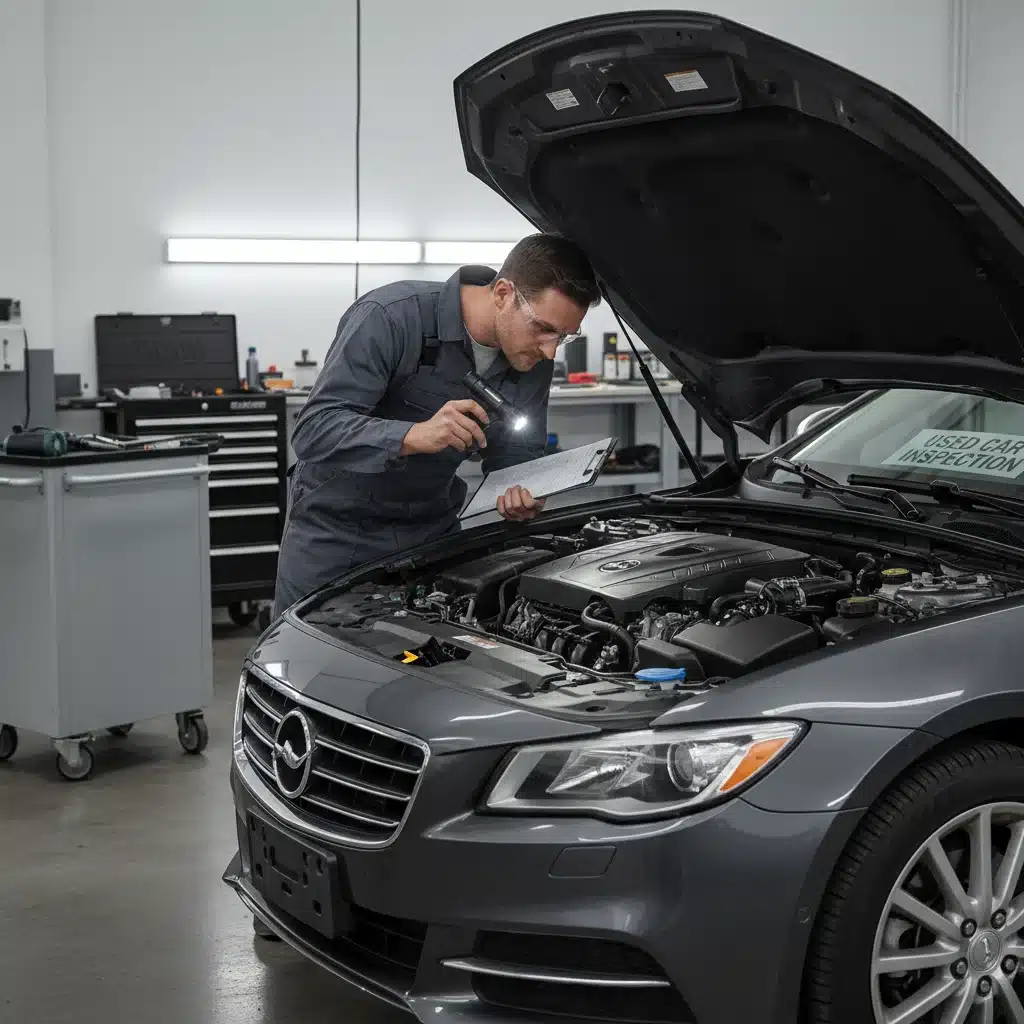
This is arguably the most important step. Even if you’ve done a meticulous used car inspection yourself, a certified mechanic will have specialized tools and expertise to identify issues you might miss. It’s a small investment that can save you from a very expensive mistake. The mechanic can put the car on a lift, perform diagnostic scans, and give you an unbiased assessment of its condition. Always try to get a PPI from an independent shop, not one recommended by the seller.
What to Do if You Find Issues During Your Used Car Inspection
It’s rare to find a used car that’s absolutely perfect. The goal of your used car inspection isn’t necessarily to find a flawless vehicle, but to understand its true condition and make an informed decision. If you uncover issues:
- Minor Issues: Small cosmetic flaws or easily fixed items can be used as negotiation points to lower the price.
- Moderate Issues: Problems like worn tires, needing new brakes, or minor fluid leaks are more significant. Get quotes for these repairs. You can then ask the seller to fix them, reduce the price by the repair cost, or walk away.
- Major Issues: Signs of significant engine, transmission, frame damage, or multiple warning lights are red flags. Unless you’re getting a substantial discount and are prepared for major repairs, it’s often best to walk away from such vehicles.
Always be prepared to walk away from a deal if the car doesn’t meet your standards or if the seller is unwilling to address legitimate concerns. There are plenty of other used cars on the market.
Conclusion: Drive Away with Confidence in Your Used Car
Buying a used car in 2026 demands diligence and a systematic approach. By utilizing this 20-point used car inspection checklist, you significantly increase your chances of finding a reliable and safe vehicle. From the initial exterior glance to the crucial test drive and the final professional inspection, each step plays a vital role in protecting your investment.
Remember, patience is key. Don’t feel pressured to make a quick decision. Take your time, follow this comprehensive used car inspection guide, and don’t hesitate to seek professional help. With careful consideration and a thorough check, you can confidently drive away in a used car that brings you joy and peace of mind for years to come. Happy car hunting!