US Auto Industry: Tackling 2026 Skilled Labor Shortage
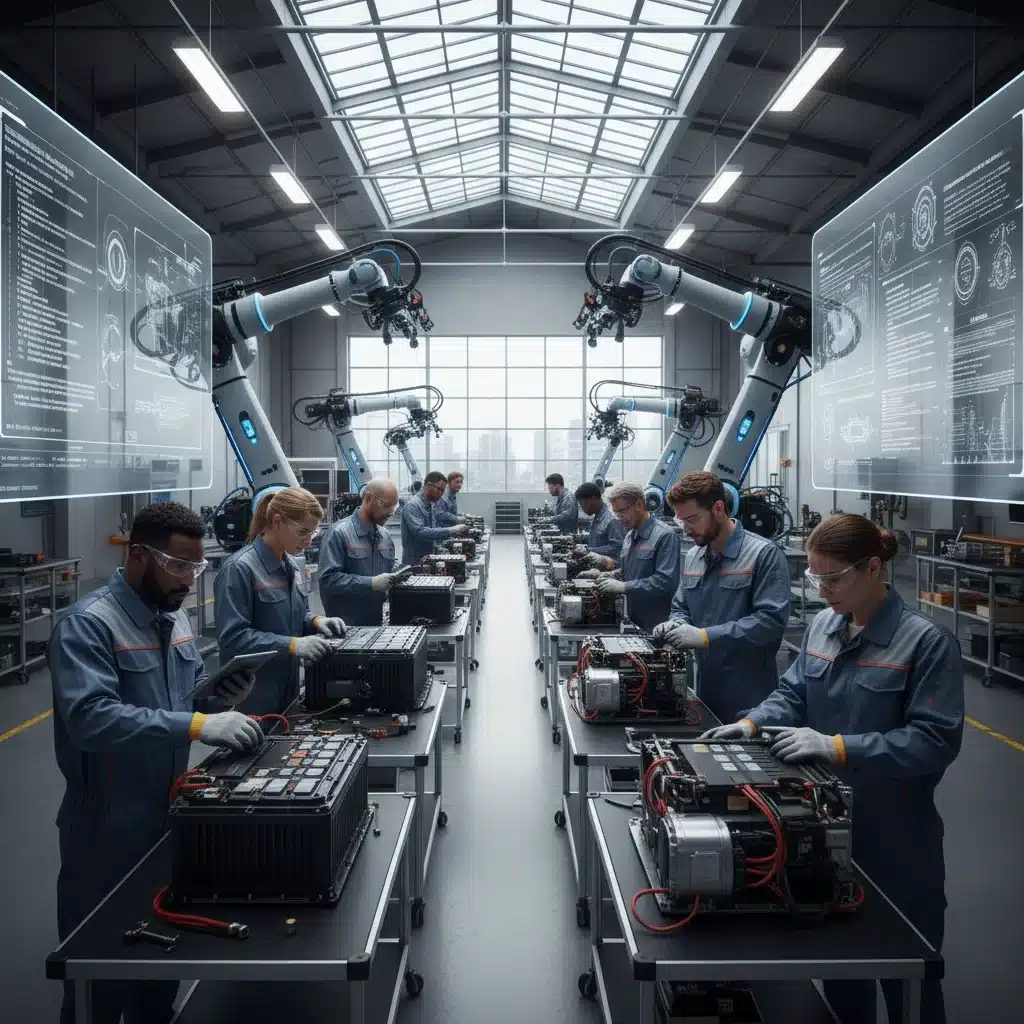
The United States automotive industry stands at a pivotal juncture. As we approach 2026, a looming 10% skilled labor shortage threatens to impede growth, innovation, and global competitiveness. This isn’t merely a statistic; it represents a fundamental challenge to the very foundation of an industry that has historically been a cornerstone of the American economy. The confluence of rapid technological advancements, an aging workforce, and evolving consumer demands is creating a complex landscape that demands immediate and strategic action from US auto companies. Successfully navigating this impending auto labor shortage will require a multi-faceted approach, encompassing everything from reimagining recruitment strategies to fostering a culture of continuous learning and development.
The stakes are incredibly high. A deficit of skilled workers can lead to production delays, increased costs, compromised quality, and a significant slowdown in the adoption of emerging technologies like electric vehicles (EVs) and autonomous driving systems. For US auto companies, attracting and retaining top talent isn’t just about filling vacancies; it’s about securing their future relevance and prosperity in an increasingly competitive global market. This comprehensive article delves into the root causes of the projected auto labor shortage, explores the specific skill sets in high demand, and outlines actionable strategies that companies can implement now to build a resilient and highly capable workforce for 2026 and beyond.
Understanding the Looming 2026 Auto Labor Shortage
To effectively address the auto labor shortage, it’s crucial to first understand its underlying causes. This isn’t a problem that emerged overnight; rather, it’s the culmination of several long-term trends and recent disruptions.
Demographic Shifts and an Aging Workforce
One of the most significant contributors to the impending shortage is the demographic shift within the existing workforce. A substantial portion of experienced automotive professionals are nearing retirement age. These individuals often possess decades of invaluable institutional knowledge, specialized skills in traditional manufacturing processes, and a deep understanding of complex machinery. As they exit the workforce, there aren’t enough new entrants to fill their shoes, particularly in skilled trades. The younger generation, in many cases, has not been drawn to manufacturing careers, often due to outdated perceptions of the industry as dirty, dangerous, or lacking opportunities for advancement. This perception gap needs to be actively addressed to attract fresh talent.
The Impact of Technological Transformation
The automotive industry is undergoing an unprecedented technological transformation. The shift towards electric vehicles (EVs), autonomous driving, advanced driver-assistance systems (ADAS), and connected car technologies requires an entirely new set of skills that many traditional automotive workers may not possess. There’s a burgeoning demand for software engineers, data scientists, cybersecurity experts, robotics technicians, battery specialists, and EV repair technicians. The educational and training infrastructure has struggled to keep pace with these rapidly evolving demands, creating a significant skills gap that exacerbates the auto labor shortage.
Perception and Attractiveness of Manufacturing Careers
For decades, manufacturing careers, including those in the auto sector, have struggled with a perception problem. Often viewed as less glamorous or intellectually stimulating than careers in tech or finance, they have failed to attract a sufficient pipeline of young talent. This perception often overlooks the high-tech, innovative, and intellectually challenging nature of modern automotive manufacturing. The reality of today’s auto plants is far removed from the dusty, repetitive assembly lines of the past; they are increasingly automated, data-driven, and require sophisticated problem-solving skills. Overcoming this image problem is paramount to addressing the auto labor shortage.
Competition from Other Industries
The demand for skilled workers, particularly those with STEM backgrounds, is not unique to the automotive industry. Tech companies, aerospace, and other advanced manufacturing sectors are all vying for the same limited pool of talent. This intense competition drives up salaries and benefits, making it challenging for some auto companies, especially smaller ones or those with legacy cost structures, to compete effectively for top-tier candidates. The talent war is real, and the automotive industry must develop compelling value propositions to stand out.
Geographic Mismatches
While some regions may experience a surplus of certain skills, others, particularly those where major automotive plants are concentrated, may face acute shortages. The willingness of skilled workers to relocate can be a barrier, and companies often find themselves needing to attract talent from outside their immediate geographical area, which adds complexity and cost to recruitment efforts. This geographic mismatch contributes to the overall auto labor shortage.
Key Skill Sets in High Demand by 2026
The nature of the skills gap is evolving. While traditional mechanical and assembly skills remain important, the future workforce will increasingly require a blend of technical prowess, digital literacy, and soft skills. Addressing the auto labor shortage means prioritizing the development and acquisition of these critical competencies.
Electric Vehicle (EV) Technology Specialists
As the industry rapidly electrifies, there’s an urgent need for engineers and technicians specializing in battery technology, power electronics, electric motor design, charging infrastructure, and EV repair and maintenance. These roles require a deep understanding of high-voltage systems and sophisticated diagnostic tools.
Software and AI Engineers
The modern vehicle is essentially a computer on wheels. Software engineers are needed for developing infotainment systems, ADAS, autonomous driving algorithms, vehicle-to-everything (V2X) communication, and cybersecurity. AI specialists are crucial for optimizing manufacturing processes, predictive maintenance, and enhancing in-car intelligence. This is a massive area of growth and a significant contributor to the auto labor shortage.
Data Scientists and Analytics Experts
Vehicles generate vast amounts of data. Data scientists are essential for analyzing this information to improve vehicle performance, predict maintenance needs, understand consumer behavior, and optimize supply chains. Their insights drive innovation and efficiency.
Robotics and Automation Technicians
Advanced manufacturing facilities rely heavily on robotics and automation. Technicians are needed to program, maintain, and troubleshoot these complex systems, ensuring smooth and efficient production lines. The integration of collaborative robots (cobots) also requires workers who can effectively collaborate with automated systems.
Advanced Manufacturing and Materials Engineers
As new materials (e.g., lightweight composites) and manufacturing processes (e.g., additive manufacturing/3D printing) become more prevalent, engineers with expertise in these areas are vital for designing and producing the next generation of vehicles. This specialized knowledge is currently in short supply, contributing to the auto labor shortage.
Cybersecurity Professionals
With connected cars and increasing digital footprints, cybersecurity is no longer an afterthought. Experts are needed to protect vehicle systems, personal data, and manufacturing networks from increasingly sophisticated cyber threats.
Skilled Trades (Re-imagined)
While the focus is often on new technologies, traditional skilled trades like welding, machining, and tool-and-die making remain critical. However, these roles now require an understanding of advanced robotics, CAD/CAM software, and precision manufacturing techniques. The need for a re-skilled traditional workforce is a critical aspect of mitigating the auto labor shortage.
Strategic Approaches to Attract and Retain Skilled Workers
Addressing the 2026 auto labor shortage requires a proactive, multi-pronged strategy that spans recruitment, training, compensation, and culture. Companies must think creatively and invest significantly in their human capital.
1. Reimagining Recruitment and Employer Branding
The first step is to change the narrative. US auto companies must actively work to rebrand manufacturing careers. This involves:
- Highlighting Innovation: Emphasize the high-tech, innovative, and challenging aspects of modern automotive roles. Showcase the cutting edge of EV and autonomous technology development.
- Targeted Outreach: Partner with high schools, community colleges, and universities to promote automotive careers. Create engaging programs that expose students to the exciting realities of the industry.
- Diversity and Inclusion: Actively recruit from a wider talent pool, including women, minorities, and veterans, who are often underrepresented in the industry. Implement inclusive hiring practices to attract diverse perspectives and skills.
- Digital Presence: Utilize social media, virtual career fairs, and compelling video content to reach younger generations where they are.
2. Investing in Comprehensive Workforce Development and Training
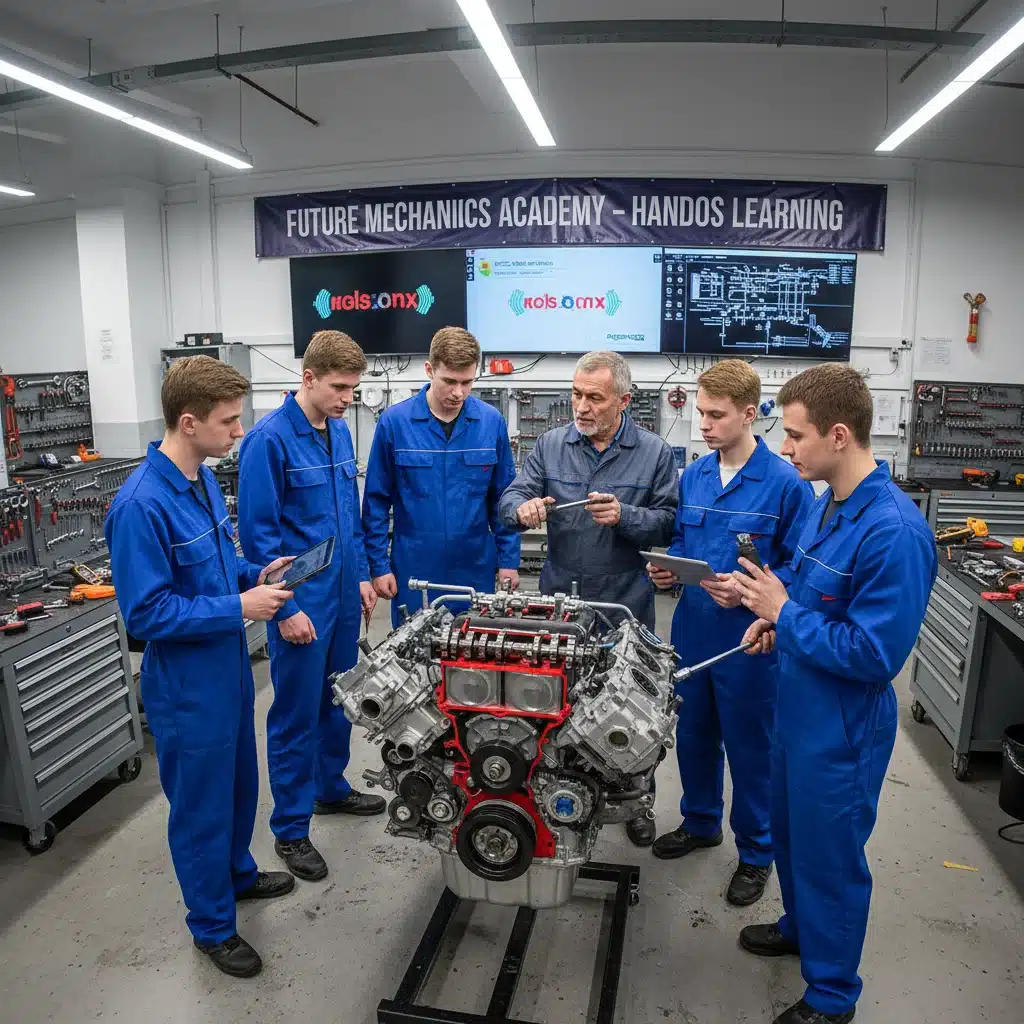
Given the rapid pace of technological change, continuous learning is non-negotiable. Companies must invest heavily in upskilling and reskilling programs to combat the auto labor shortage.
- Apprenticeships and Internships: Develop robust apprenticeship programs that combine on-the-job training with formal education, providing clear pathways to skilled careers. Internships offer valuable experience and can serve as a pipeline for future hires.
- Internal Training Academies: Establish in-house training academies or partner with educational institutions to offer specialized courses in EV technology, robotics, software development, and data analytics.
- Cross-Training Initiatives: Encourage cross-training among employees to build versatility and create a more adaptable workforce. This also helps in succession planning for critical roles.
- Leveraging Digital Learning: Utilize online courses, virtual reality (VR), and augmented reality (AR) for immersive and flexible training experiences, particularly for complex machinery or remote learning scenarios.
3. Competitive Compensation and Benefits Packages
To attract and retain top talent, especially in competitive fields like software engineering, auto companies must offer more than just a paycheck. Addressing the auto labor shortage requires a holistic approach to compensation.
- Market-Rate Salaries: Regularly benchmark salaries against competitors in both the automotive and tech sectors to ensure competitiveness.
- Performance-Based Incentives: Implement bonus structures, profit-sharing, or stock options to reward high performance and foster a sense of ownership.
- Comprehensive Benefits: Offer attractive health insurance, retirement plans, paid time off, and tuition reimbursement programs.
- Work-Life Balance: Promote flexible work arrangements, remote work options where feasible, and a culture that respects personal time, which is increasingly important to modern workers.
4. Fostering a Positive and Innovative Work Culture
A positive work environment is a powerful tool for retention and attraction. Companies need to cultivate a culture that values employees and encourages innovation to overcome the auto labor shortage.
- Employee Engagement: Regularly solicit feedback from employees and act on it. Create opportunities for employees to contribute ideas and feel heard.
- Career Development Paths: Provide clear pathways for career advancement and professional growth. Employees are more likely to stay if they see a future with the company.
- Recognition and Rewards: Implement programs to recognize and reward employee achievements, big and small. Acknowledgment goes a long way in boosting morale and loyalty.
- Leadership Training: Train managers to be effective leaders who can mentor, motivate, and support their teams. Poor management is a significant driver of employee turnover.
- Safety and Well-being: Prioritize a safe working environment and support employee well-being through health initiatives and mental health resources.
5. Leveraging Automation and AI for Workforce Augmentation
While automation might seem counterintuitive when discussing labor shortages, it’s a critical component of the solution. Automation can augment the existing workforce, making them more productive and freeing them up for higher-value tasks, thereby mitigating the impact of the auto labor shortage.
- Robotics for Repetitive Tasks: Deploy robots for repetitive, physically demanding, or hazardous tasks, allowing human workers to focus on complex problem-solving, quality control, and innovation.
- AI-Powered Tools: Use AI for predictive maintenance, supply chain optimization, and data analysis, which can improve efficiency and reduce the need for manual oversight in certain areas.
- Collaborative Robots (Cobots): Integrate cobots that work alongside human employees, enhancing productivity and reducing physical strain.
6. Government and Industry Collaboration
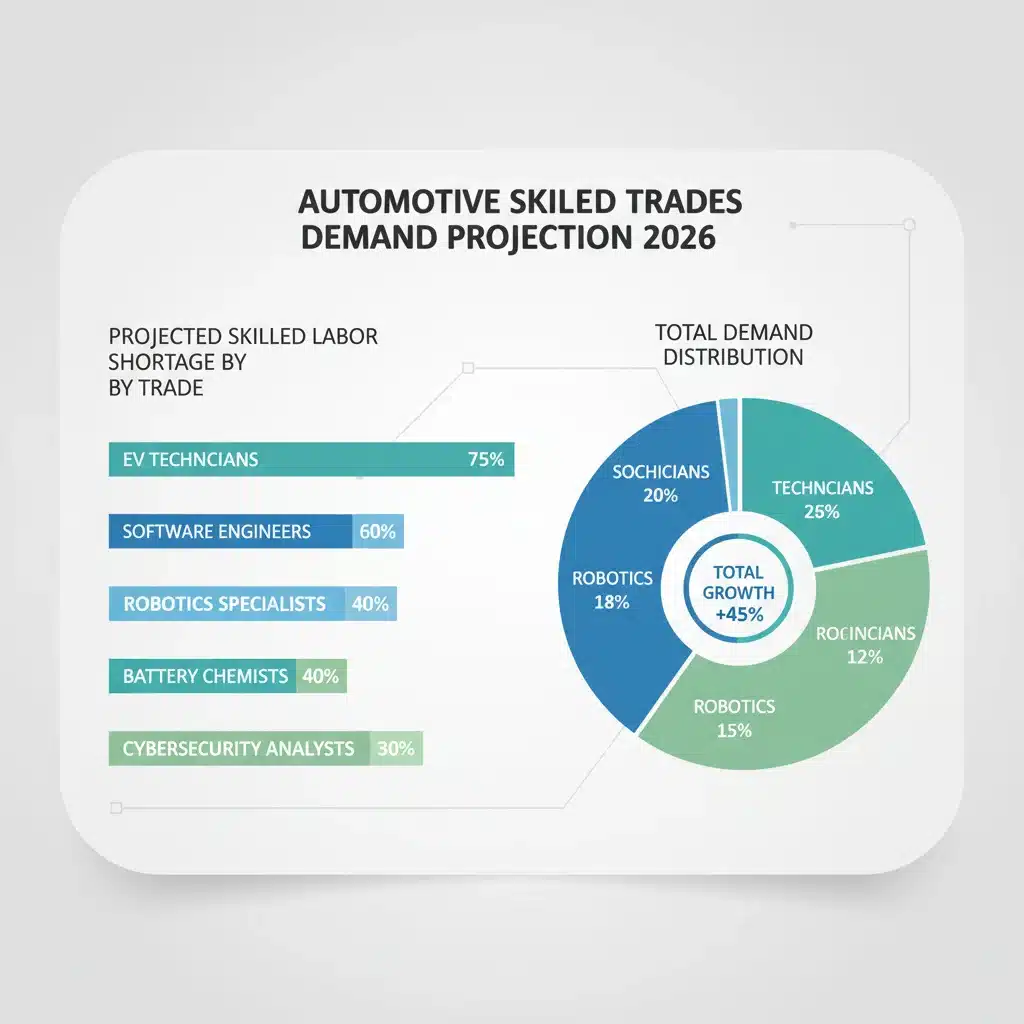
Addressing a systemic issue like the auto labor shortage requires more than individual company efforts. It necessitates broad collaboration.
- Public-Private Partnerships: Work with government agencies to secure funding for workforce development programs, vocational training, and STEM education initiatives.
- Industry Consortia: Form alliances with other automotive companies and industry associations to share best practices, pool resources for training, and collectively advocate for policies that support workforce development.
- Educational Institution Partnerships: Collaborate closely with academic institutions to ensure curricula are aligned with industry needs, providing students with the relevant skills for future automotive careers.
7. Embracing the Gig Economy and Flexible Workforce Models
While traditional employment remains the backbone, the automotive industry can explore more flexible models to tap into specialized skills and bridge gaps in the auto labor shortage.
- Consultants and Contractors: Utilize independent contractors and consultants for specialized projects, particularly in areas like software development, AI, or cybersecurity, where in-house expertise might be scarce or too expensive to maintain full-time.
- Remote Work for Certain Roles: For roles that don’t require a physical presence on the factory floor (e.g., software development, data analysis, certain engineering functions), embrace remote work options to broaden the talent pool geographically.
- Project-Based Teams: Form agile, project-based teams that can be assembled and disbanded as needed, drawing on a mix of internal talent and external specialists.
Case Studies and Best Practices
Several leading automotive companies and regions are already implementing innovative strategies to combat the auto labor shortage. Learning from these examples can provide valuable insights.
BMW’s Apprenticeship Program (Spartanburg, SC)
BMW’s "Apprenticeship Program" at its Spartanburg plant is a prime example of successful workforce development. The program combines classroom instruction with hands-on training, leading to a journeyman certificate. This initiative not only provides highly skilled workers for BMW but also strengthens the local talent pipeline. Apprentices are paid during their training and often offered full-time positions upon completion, ensuring a strong return on investment for both the company and the apprentices.
Ford’s Investment in EV Training
Recognizing the shift to EVs, Ford has made significant investments in reskilling its existing workforce and training new hires in EV technology. This includes partnerships with community colleges and the establishment of dedicated EV training centers. By proactively addressing the EV skills gap, Ford is positioning itself to lead in the electric vehicle market, directly tackling a major aspect of the auto labor shortage.
General Motors’ Software Development Hubs
GM has established software development hubs in various locations, including Austin, Texas, to attract tech talent who might not traditionally consider working for an automotive company. By creating environments that mirror tech startups and offering competitive compensation, GM is successfully recruiting software engineers crucial for its autonomous and connected vehicle initiatives. This strategy directly addresses the need for digital skills in the face of the auto labor shortage.
The Road Ahead: A Call to Action
The projected 10% auto labor shortage by 2026 is a formidable challenge, but it is not insurmountable. It presents an opportunity for US auto companies to innovate not only in their products and processes but also in their approach to human capital. The future success of the American automotive industry hinges on its ability to attract, develop, and retain a highly skilled, adaptable, and diverse workforce.
Companies that proactively invest in robust training programs, cultivate inclusive and engaging work cultures, offer competitive compensation, and strategically leverage technology will be the ones that thrive in the evolving landscape. Furthermore, sustained collaboration between industry, government, and educational institutions is essential to create a resilient talent pipeline that can meet the demands of tomorrow.
The time for action is now. By embracing these strategies, US auto companies can transform the challenge of the auto labor shortage into an opportunity to build a stronger, more innovative, and globally competitive automotive sector for decades to come. The future of American mobility depends on it.
Conclusion
The 2026 auto labor shortage is a complex issue, but with foresight and strategic planning, US auto companies can navigate these turbulent waters. By prioritizing investment in people, fostering a culture of continuous learning, and adapting to the changing nature of work, the industry can ensure it has the talent required to drive innovation and maintain its global leadership. The path to overcoming this challenge is clear: invest in your workforce, embrace technological change, and collaborate for collective success. The journey will be demanding, but the rewards—a vibrant, skilled, and future-ready automotive industry—are well worth the effort.