Connected Car Cybersecurity: 2026 Mandates & Data Protection
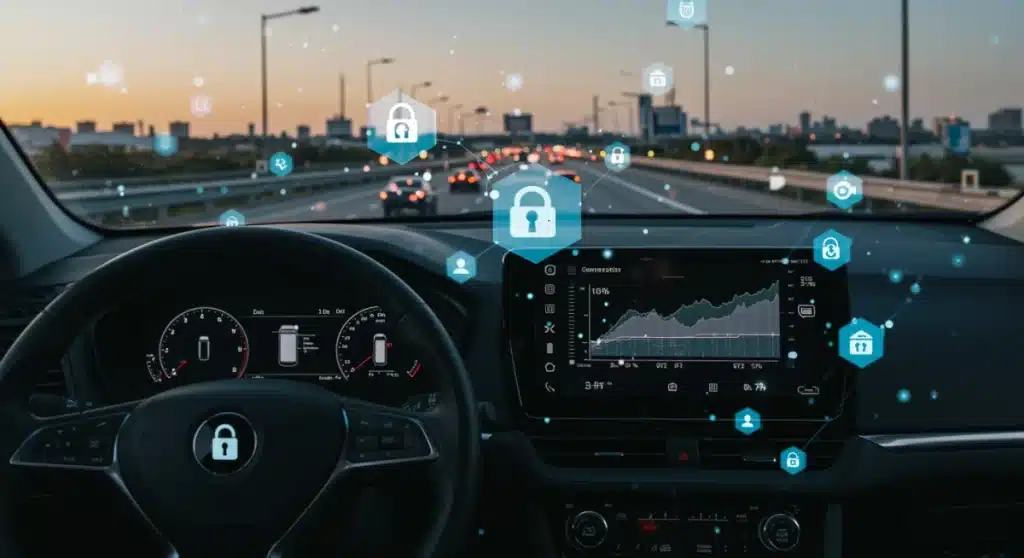
The 2026 mandates for connected car cybersecurity in the U.S. will profoundly impact data protection for 75% of new vehicles, demanding robust security measures and innovative solutions from manufacturers.
The automotive landscape is rapidly evolving, ushering in an era where vehicles are more connected than ever before. This connectivity, while offering immense benefits, also introduces significant cybersecurity challenges. Understanding the implications of connected car cybersecurity and the upcoming 2026 mandates is crucial for consumers and industry stakeholders alike.
The Rise of Connected Cars and Inherent Risks
Connected cars are no longer a futuristic concept but a present-day reality, seamlessly integrating advanced technologies to enhance safety, convenience, and entertainment. These vehicles leverage sophisticated networks, sensors, and communication systems to interact with their environment, other vehicles, and the broader internet. This interconnectedness, however, opens new avenues for potential cyber threats.
The sheer volume of data generated and exchanged by connected vehicles presents a goldmine for malicious actors. From personal driving habits and location data to sensitive biometric information and payment details, the data stored and transmitted by these cars is extensive. Protecting this information has become paramount, leading to an urgent need for comprehensive cybersecurity frameworks.
Understanding the Connected Car Ecosystem
The connected car ecosystem is vast and intricate, involving numerous components and stakeholders. It encompasses everything from in-vehicle systems and external communication modules to cloud-based services and third-party applications. Each element represents a potential entry point for cyberattacks, making a holistic security approach essential.
- In-Vehicle Systems: Modern cars feature an array of electronic control units (ECUs) managing everything from engine performance to infotainment.
- External Communication: Vehicles communicate via cellular, Wi-Fi, Bluetooth, and dedicated short-range communication (DSRC) technologies.
- Cloud Services: Many functions, such as navigation updates and remote diagnostics, rely on cloud infrastructure.
- Third-Party Applications: Smartphone integration and in-car apps can introduce additional vulnerabilities if not properly secured.
The complexity of this ecosystem means that a vulnerability in one area can have cascading effects, potentially compromising the entire vehicle or even a fleet of vehicles. This interconnectedness underscores the importance of robust security measures at every layer of the system. Ensuring the integrity and confidentiality of data within this complex environment is a continuous challenge that requires constant vigilance and adaptation.
In conclusion, the evolution of connected cars brings unparalleled advantages but also significant cybersecurity risks. The intricate nature of their underlying technology necessitates a multi-faceted approach to security, addressing vulnerabilities at every point of interaction. Without strong safeguards, the benefits of connected mobility could be overshadowed by the potential for data breaches and system compromises.
The 2026 Mandates: A New Era for Vehicle Cybersecurity
The year 2026 marks a significant turning point for automotive cybersecurity in the United States. New mandates are set to be implemented, requiring enhanced data protection measures for a substantial portion of new vehicles. These regulations are designed to address the escalating cyber threats faced by connected cars, aiming to establish a baseline for security standards across the industry.
These mandates are not merely recommendations; they represent a legal requirement for manufacturers to integrate advanced cybersecurity features into their designs and production processes. The goal is to ensure that at least 75% of all new vehicles sold in the U.S. market by 2026 meet stringent data protection and cybersecurity standards, significantly reducing the attack surface for cybercriminals.
Key Objectives of the Mandates
The primary objective of the 2026 mandates is to bolster the security posture of connected vehicles, protecting both personal data and critical vehicle functions. This involves a comprehensive approach that considers all aspects of a vehicle’s digital infrastructure, from its hardware to its software and communication protocols.
- Data Privacy: Ensuring that personal data collected by vehicles is protected from unauthorized access and misuse.
- System Integrity: Safeguarding critical vehicle systems from remote manipulation or compromise.
- Incident Response: Establishing clear protocols for detecting, responding to, and recovering from cyber incidents.
- Software Updates: Mandating secure over-the-air (OTA) update mechanisms to patch vulnerabilities promptly.
These objectives aim to create a more resilient automotive ecosystem, where vehicles are inherently designed with security in mind. The mandates will push manufacturers to adopt a ‘security-by-design’ philosophy, integrating protective measures from the earliest stages of vehicle development rather than as an afterthought. This proactive approach is crucial for building consumer trust and ensuring the long-term viability of connected car technologies.
In essence, the 2026 mandates are poised to revolutionize how automotive cybersecurity is approached. By setting clear, enforceable standards, they will compel manufacturers to prioritize data protection and system integrity, ultimately leading to safer and more secure connected vehicles for consumers across the U.S. This regulatory push is a critical step in mitigating the growing risks associated with automotive connectivity.
Impact on Automotive Manufacturers and Supply Chains
The impending 2026 mandates will have profound implications for automotive manufacturers and their extensive supply chains. Compliance will require significant investment in research and development, re-evaluation of existing processes, and closer collaboration with suppliers. The traditional model of vehicle development will need to adapt to integrate cybersecurity as a core component from conception to deployment.
Manufacturers will face the challenge of updating their vehicle architectures, implementing advanced encryption, secure boot processes, and intrusion detection systems. This isn’t just about adding new features; it involves a fundamental shift in how vehicles are designed, built, and maintained throughout their lifecycle. The entire supply chain, from component suppliers to software developers, will need to align with these new security requirements.
Challenges and Opportunities for Manufacturers
The transition to meet the 2026 mandates presents both substantial challenges and unique opportunities for automotive companies. While the initial investment and effort will be considerable, those who embrace these changes can gain a competitive edge and build stronger consumer confidence.
- Increased R&D Costs: Developing and integrating advanced cybersecurity solutions will require significant financial outlay.
- Supply Chain Alignment: Ensuring all suppliers meet stringent security standards will necessitate new auditing and collaboration frameworks.
- Talent Acquisition: A growing demand for cybersecurity experts in the automotive sector will intensify the talent search.
- Market Differentiation: Manufacturers who excel in cybersecurity can leverage this as a key selling point, attracting security-conscious consumers.
Beyond the immediate compliance, these mandates foster an environment of continuous improvement in cybersecurity. Manufacturers will need to establish ongoing monitoring, threat intelligence gathering, and rapid response capabilities to counteract evolving cyber threats. This commitment to perpetual security will define the industry leaders of tomorrow.
Ultimately, the 2026 mandates will act as a catalyst for innovation within the automotive sector. While demanding, they will drive the industry towards a more secure future, safeguarding vehicles and their occupants from the increasing complexities of the digital world. Manufacturers that strategically adapt will not only comply but thrive in this new regulatory landscape.
Data Protection: A Cornerstone of Connected Car Security
At the heart of the 2026 mandates lies the critical principle of data protection. Connected cars collect, process, and transmit vast amounts of sensitive information, ranging from driver behavior and biometric data to location history and payment credentials. Ensuring the robust protection of this data is not just a regulatory requirement but a fundamental expectation from consumers.
The mandates emphasize a multi-layered approach to data protection, focusing on encryption, access controls, and anonymization techniques. The aim is to prevent unauthorized access, manipulation, or theft of data, thereby preserving consumer privacy and maintaining the integrity of vehicle systems. This means implementing rigorous security measures at every stage of the data lifecycle, from collection to storage and transmission.
Strategies for Enhanced Data Protection
Implementing effective data protection in connected cars requires a combination of technological solutions and robust organizational policies. Manufacturers must adopt best practices that address both technical vulnerabilities and human factors.
- End-to-End Encryption: Securing data both in transit and at rest using strong cryptographic algorithms.
- Strict Access Controls: Limiting who can access sensitive data, both within the vehicle and in cloud-based systems.
- Data Anonymization: Transforming personal data so that individuals cannot be identified, especially for aggregated data analysis.
- Regular Security Audits: Conducting frequent assessments to identify and rectify potential data vulnerabilities.
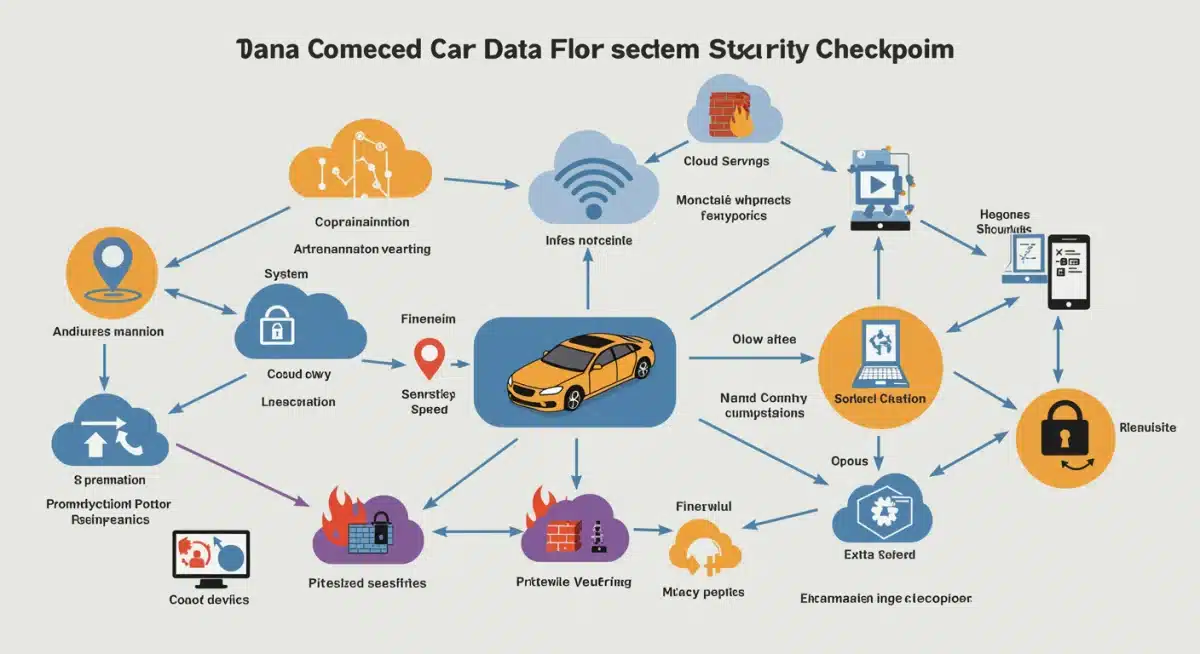
Beyond technical measures, establishing clear data governance policies is essential. This includes transparent communication with consumers about what data is collected, how it is used, and their rights regarding that data. Building trust through transparency and strong data protection practices will be key to widespread adoption of connected vehicle technologies.
In conclusion, data protection is an indispensable element of connected car cybersecurity, driven by the 2026 mandates. By prioritizing encryption, access management, and transparent data handling, the industry can create a safer digital environment for vehicle users, fostering confidence in the future of automotive connectivity.
The Role of Government, Industry, and Consumers
Achieving the ambitious goals of the 2026 cybersecurity mandates for connected cars requires a concerted effort from multiple stakeholders. Government bodies, industry players, and even individual consumers all have crucial roles to play in fostering a secure automotive ecosystem. Collaboration and shared responsibility are paramount for successful implementation and ongoing resilience against cyber threats.
Government agencies are responsible for setting clear regulations, providing guidance, and enforcing compliance. The automotive industry, including manufacturers and their vast supply chains, must innovate and invest in secure technologies. Consumers, on the other hand, need to be informed and proactive in understanding their role in vehicle security and data privacy.
Collaborative Efforts for a Secure Future
Effective cybersecurity in connected cars transcends individual actions; it demands a unified approach. Various entities must work in tandem to develop, implement, and maintain robust security frameworks.
- Government Regulation: Agencies like NHTSA and NIST are instrumental in drafting and enforcing cybersecurity standards, ensuring a consistent baseline.
- Industry Standards: Organizations such as SAE International and ISO are developing technical standards and best practices for vehicle cybersecurity.
- Information Sharing: Collaborative platforms allow manufacturers to share threat intelligence and vulnerabilities, speeding up response times.
- Consumer Awareness: Educating drivers about the importance of software updates, strong passwords, and privacy settings is vital.
The dynamic nature of cyber threats means that static solutions are insufficient. Continuous dialogue and adaptation among all stakeholders will be essential to stay ahead of malicious actors. This includes regular reviews of existing mandates, updating them to reflect emerging threats and technological advancements.
In summary, the security of connected cars is a shared responsibility. By fostering strong partnerships between government, industry, and consumers, the U.S. can effectively implement the 2026 mandates and build a resilient, trustworthy future for automotive technology. This collective effort will be the bedrock of a secure connected mobility landscape.
Preparing for the Future: Beyond 2026 Mandates
While the 2026 mandates represent a significant leap forward in connected car cybersecurity, the journey towards ultimate vehicle security is continuous. The landscape of cyber threats is constantly evolving, requiring an adaptive and forward-thinking approach that extends well beyond the initial compliance deadlines. Preparing for the future means anticipating new challenges and embracing emerging technologies to stay ahead.
The automotive industry must look towards long-term strategies, investing in advanced security research, artificial intelligence for threat detection, and quantum-resistant cryptography. The goal is to build vehicles that are not only compliant with current regulations but are also resilient against future, as-yet-unknown cyber challenges. This proactive stance is critical for maintaining consumer trust and the integrity of autonomous and highly automated driving systems.
Emerging Technologies and Future Security Trends
The future of connected car cybersecurity will be shaped by several key technological advancements and trends. These innovations offer promising solutions to enhance vehicle security, but also introduce new considerations for risk management.
- AI and Machine Learning: Utilizing AI for real-time anomaly detection, predictive threat analysis, and automated incident response.
- Blockchain Technology: Exploring blockchain for secure data logging, identity management, and supply chain integrity.
- Quantum Computing Threats: Preparing for the eventual advent of quantum computers that could break current encryption standards by developing quantum-resistant algorithms.
- Software-Defined Vehicles (SDVs): The increasing prevalence of SDVs will require even more robust software security and update mechanisms.
Furthermore, the integration of vehicles into smart city infrastructures and vehicle-to-everything (V2X) communication will expand the attack surface. This necessitates broader cybersecurity considerations that extend beyond the vehicle itself to encompass the entire intelligent transportation system. Developing secure communication protocols and infrastructure will be paramount.
In conclusion, while the 2026 mandates set a vital foundation, continuous innovation and adaptation are essential for future-proofing connected car cybersecurity. By embracing emerging technologies and adopting a proactive, holistic security posture, the automotive industry can ensure that the benefits of connected mobility are realized safely and securely for decades to come.
| Key Point | Brief Description |
|---|---|
| 2026 Mandates | New U.S. regulations requiring enhanced data protection for 75% of new connected vehicles. |
| Data Protection Focus | Emphasis on encryption, access controls, and privacy to secure sensitive vehicle data. |
| Industry Impact | Significant R&D investment, supply chain alignment, and talent acquisition for manufacturers. |
| Future Trends | Beyond 2026, focus on AI, blockchain, and quantum-resistant solutions for evolving threats. |
Frequently Asked Questions About Connected Car Cybersecurity
The 2026 mandates are U.S. regulations requiring automotive manufacturers to implement enhanced data protection and cybersecurity measures for at least 75% of all new vehicles sold. These rules aim to safeguard personal data and critical vehicle functions from increasing cyber threats, ensuring a baseline level of security across the industry.
Connected cars collect vast amounts of sensitive data and are increasingly vulnerable to cyberattacks that could compromise privacy or vehicle safety. The mandates are necessary to establish a consistent security framework, protect consumers, and prevent malicious actors from exploiting vulnerabilities in vehicle systems and data.
Car buyers can expect enhanced data privacy and security features in new vehicles, reducing the risk of personal data breaches and unauthorized vehicle access. While it might translate to slightly higher vehicle costs, the primary benefit is increased peace of mind regarding the security and integrity of their connected vehicles.
The automotive industry must invest heavily in R&D, redesign vehicle architectures for security-by-design, and ensure their entire supply chain complies with new standards. This includes implementing advanced encryption, secure software updates, and robust incident response protocols to meet regulatory requirements.
While the 2026 mandates set a strong foundation, cybersecurity is an ongoing challenge. The industry is encouraged to adopt a proactive approach, integrating emerging technologies like AI for threat detection and preparing for advanced threats, such as those posed by quantum computing, to maintain long-term security.
Conclusion
The 2026 mandates for connected car cybersecurity mark a pivotal moment for the automotive industry in the U.S., signaling a clear commitment to enhanced data protection and vehicle safety. These regulations will undoubtedly reshape how vehicles are designed, manufactured, and secured, pushing manufacturers to innovate and prioritize security-by-design. While challenges lie ahead in terms of investment and industry-wide alignment, the ultimate outcome will be a more resilient and trustworthy connected car ecosystem. For consumers, this translates to greater peace of mind, knowing that their personal data and vehicle integrity are safeguarded against an ever-evolving landscape of cyber threats. The journey to a fully secure connected future extends beyond 2026, demanding continuous vigilance, collaboration, and technological advancement from all stakeholders.