Mastering Your Test Drive: 12 Key Checks for New Cars in 2026

In the rapidly evolving automotive landscape of 2026, purchasing a new vehicle is more than just picking a color and a trim level. With advancements in electric powertrains, autonomous features, sophisticated infotainment systems, and advanced safety technologies, the traditional test drive has become an even more critical step in the buying process. A thorough test drive checklist is no longer a luxury but a necessity to ensure that your significant investment truly meets your expectations and needs. This comprehensive guide will walk you through 12 key things to check during your next test drive, empowering you to make an informed decision in the complex world of modern automobiles.
The goal of a test drive is not simply to confirm that the car moves. It’s about experiencing the vehicle in real-world conditions, assessing its comfort, performance, technology integration, and overall suitability for your lifestyle. By following a structured approach, you can uncover potential issues or discover features you might not have considered, ultimately leading to a more satisfying purchase. Let’s dive into the essential points for your 2026 test drive.
1. Ergonomics and Seating Comfort: Your Command Center
Your relationship with your car begins the moment you sit inside. In 2026, car interiors are more sophisticated than ever, offering a blend of luxury, technology, and practicality. However, what looks good on paper might not feel right in practice. This is where your personal assessment comes in.
Seating Adjustments and Support
Before you even start the engine, adjust the driver’s seat. Does it offer sufficient lumbar support? Are the adjustments intuitive? Many modern vehicles offer multi-way power adjustments, memory settings, and even massage functions. Spend time fine-tuning these to find your ideal driving position. Pay attention to how your body feels – are there any pressure points? Is there enough thigh support? Remember, you’ll be spending hours in this seat, so comfort is paramount.
Steering Wheel and Pedal Placement
Ensure the steering wheel adjusts for both tilt and telescope, allowing you to achieve a comfortable grip without obscuring the instrument cluster. Check the pedal placement. Are they spaced adequately? Do you feel awkward reaching for them? For electric vehicles, regenerative braking settings might also influence your pedal feel, so experiment with these if available.
Visibility and Blind Spots
Once you’re comfortably seated, assess your visibility. Look all around the vehicle. Are the A, B, and C pillars obstructing your view? How effective are the side mirrors and rearview mirror? Modern cars often come with advanced driver-assistance systems (ADAS) like blind-spot monitoring and 360-degree cameras, but these are aids, not replacements for good natural visibility. Take note of any significant blind spots, as they can impact driving safety and confidence.
2. Powertrain Performance and Driving Dynamics: The Heart of the Beast
Whether it’s a traditional internal combustion engine (ICE), a hybrid, or a fully electric vehicle (EV), the powertrain is the core of your driving experience. The test drive checklist must include a thorough evaluation of how the car accelerates, brakes, and handles.
Acceleration and Responsiveness
On a safe stretch of road, test the car’s acceleration. Does it feel peppy enough for merging onto highways or overtaking? For EVs, note the instant torque delivery. For ICE and hybrids, pay attention to the transmission’s shifts – are they smooth or jerky? Does the engine feel strained at higher RPMs? Try different driving modes (Eco, Normal, Sport) if available, as they significantly alter the car’s character.
Braking Performance
Test the brakes in a controlled environment. Do they feel firm and responsive, or spongy? Is the stopping distance adequate? For EVs and hybrids, familiarize yourself with regenerative braking. Does it feel natural, or does it take getting used to? Can you adjust its intensity?
Steering and Handling
How does the car respond to your steering inputs? Is the steering light and effortless, or heavy and precise? Take some turns and corners at varying speeds (within legal limits and safely) to assess body roll and stability. Does the car feel planted and confident, or floaty and detached? Pay attention to feedback through the steering wheel – does it communicate what the front wheels are doing?
3. Ride Quality and Suspension: Smooth Operator or Bumpy Ride?
The suspension system significantly influences your comfort, especially on longer journeys. A good test drive checklist will always include an assessment of how the car handles different road surfaces.
Bumps and Imperfections
Seek out roads with varying surfaces, including some with potholes or uneven pavement if safe to do so. How does the car absorb these imperfections? Does it crash over bumps, or does it glide smoothly? Is there excessive bouncing or harshness? Different tire sizes and suspension setups (e.g., adaptive dampers) can drastically alter ride quality, so be mindful of the specific configuration you’re testing.
Noise, Vibration, and Harshness (NVH)
Listen for excessive road noise, wind noise, or engine noise (if applicable). Modern cars aim for a quiet cabin, so any intrusive sounds could indicate poor insulation or design. Feel for vibrations through the steering wheel, pedals, or seats. A well-engineered car minimizes NVH, contributing to a more refined driving experience.
4. Technology and Infotainment: Your Digital Companion
In 2026, cars are increasingly becoming rolling computers. The infotainment system, connectivity features, and driver-assistance technologies are integral to the modern driving experience.
Infotainment System Usability
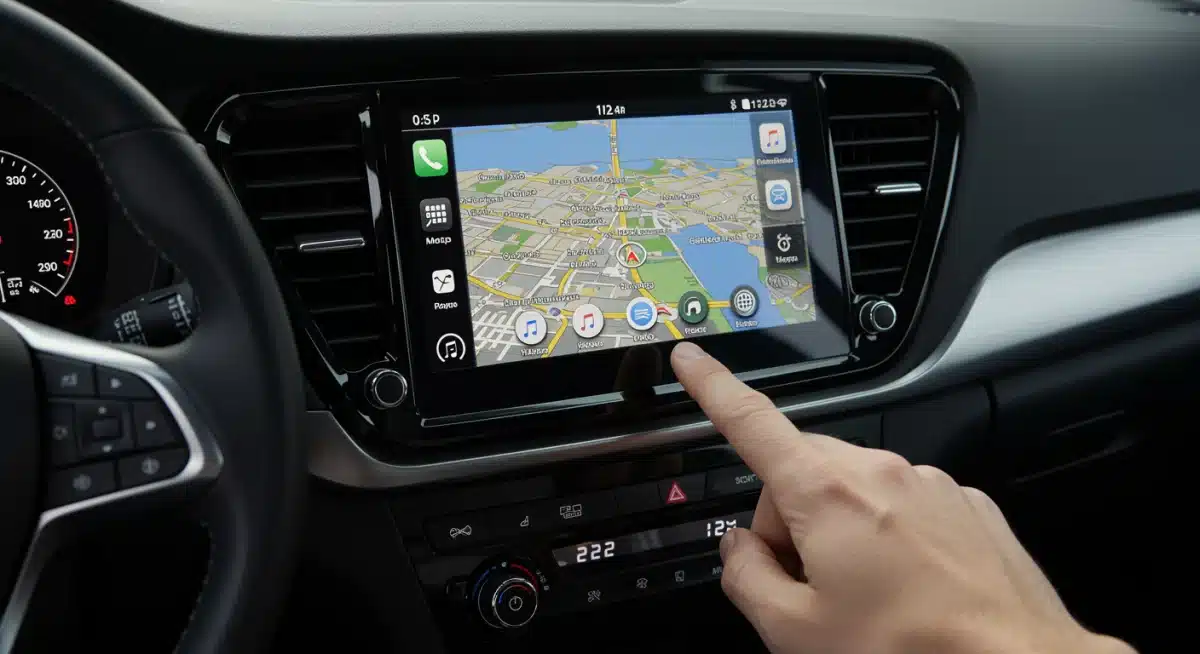
While stationary, explore the infotainment system. Is the touchscreen responsive? Are the menus intuitive and easy to navigate? Can you easily connect your smartphone via Apple CarPlay or Android Auto (if supported wirelessly)? Test the voice commands – are they accurate and helpful? Avoid getting distracted by the system while driving, but do a quick check of its core functions.
Connectivity and Charging
Check for USB-C ports, wireless charging pads, and any other connectivity options you might need. If it’s an EV, understand the charging options and estimated charging times. Ask about over-the-air (OTA) updates and how they keep the car’s software current.
Driver-Assistance Systems (ADAS)
If safe and possible, test out some of the ADAS features like adaptive cruise control, lane-keeping assist, or automatic emergency braking (if the dealership allows a demonstration in a controlled environment). Understand how these systems work and how they interact with your driving style. Do they feel intrusive or helpful?
5. Interior Space and Practicality: Beyond the Driver’s Seat
A car isn’t just for the driver. Consider the needs of passengers and cargo when evaluating interior space.
Passenger Comfort
If possible, have family members or friends join you on the test drive. Let them sit in the front passenger seat and the rear seats. Is there adequate legroom, headroom, and shoulder room? Are the rear seats comfortable for adults on longer journeys? Check for rear air vents, USB ports, and cup holders.
Cargo Space and Storage
Open the trunk or cargo area. Is it large enough for your typical luggage, groceries, or sports equipment? Does it have a flat loading floor? Can the rear seats fold down easily, and do they create a flat load space? Look for clever storage compartments throughout the cabin, such as large door pockets, a spacious center console, and hidden compartments.
6. Cabin Materials and Build Quality: Touch and Feel
The tactile experience of a car’s interior contributes significantly to its perceived quality and long-term satisfaction.
Material Quality
Touch the surfaces. Are they soft-touch plastics, premium leather, or durable fabrics? Do they feel robust and well-assembled? Look for consistent panel gaps and solid construction. Avoid cars with flimsy plastics or poorly finished edges.
Fit and Finish
Examine the alignment of interior panels, dashboard elements, and trim pieces. Are there any visible gaps or misalignments? Does anything creak or rattle when you press on it? These details speak volumes about the manufacturer’s attention to detail and overall build quality.
7. Noise Levels: A Quiet Sanctuary
Beyond powertrain and road noise, other sounds can impact your driving experience. This is a crucial, often overlooked, aspect of any good test drive checklist.
Wind Noise
At highway speeds, listen for excessive wind noise around the windows, mirrors, or sunroof. A well-sealed cabin should minimize this intrusion.
Road Noise
Pay attention to tire noise, especially on different road surfaces. Some tire compounds are louder than others, but significant road noise can distract and fatigue occupants.
Engine/Motor Noise
For ICE vehicles, is the engine noise pleasant or coarse? For EVs, while the motor is mostly silent, listen for any high-pitched whines or unusual sounds at higher speeds.
8. Parking and Maneuverability: Urban Warrior or Open Road Cruiser?
How easy is the car to park and maneuver in tight spaces? This is especially important for city dwellers or those with small garages.
Steering Effort and Turning Radius
In a parking lot, execute some tight turns and parallel parking maneuvers. How much effort does the steering require? Does the car have a good turning radius, making it easy to navigate crowded areas?
Parking Aids
Test the rearview camera, parking sensors, and any automated parking assist features. Are the camera views clear and comprehensive? Do the sensors accurately detect obstacles? These aids can significantly reduce stress in urban environments.
9. Headlights and Exterior Lighting: Seeing and Being Seen
While you might not test drive at night, it’s worth checking the lighting features.
Headlight Type and Functionality
Ask about the type of headlights (LED, Matrix LED, Halogen). If possible, quickly turn them on to see their spread and intensity. Inquire about automatic high beams and adaptive lighting systems that turn with the steering wheel. Proper illumination is vital for night driving safety.
Indicator and Brake Lights
Ensure all exterior lights, including turn signals, brake lights, and daytime running lights, are functioning correctly and are clearly visible.
10. HVAC System and Climate Control: Your Personal Microclimate
A comfortable cabin temperature is essential, regardless of the weather outside.
Heating and Cooling Performance
Test both the heating and air conditioning. Does the system quickly reach your desired temperature? Are the vents well-placed and powerful? Check for dual-zone or multi-zone climate control if that’s a feature you need.
Fan Noise
At higher fan speeds, is the noise level acceptable, or is it excessively loud and distracting?
11. Storage and Convenience Features: The Little Things
Often overlooked, these small details can make a big difference in daily usability.
Cup Holders and Compartments
Check the number and size of cup holders. Are they conveniently located? Look for other small storage compartments for phones, wallets, and other personal items. Are they easily accessible?
Power Outlets
Identify the location of 12V outlets, USB ports, and potentially 110V household outlets. Ensure there are enough for your devices and those of your passengers.
12. Overall Impression and Gut Feeling: The Intangibles
After going through all the technical and practical points on your test drive checklist, take a moment to reflect on your overall impression. Sometimes, the most important factor is how the car makes you feel.
Emotional Connection
Do you enjoy driving it? Does it feel like a good fit for your personality and lifestyle? Does it inspire confidence? These subjective feelings are just as important as objective measurements.
Dealership Experience
How was the salesperson? Were they knowledgeable and helpful, or pushy and dismissive? A good dealership experience can enhance your overall satisfaction with the purchase.
Post-Test Drive Reflection
Once the test drive is complete, take some time to process your thoughts. Don’t feel pressured to make a decision on the spot. Go home, review your notes, and discuss it with anyone else involved in the decision. Consider a second test drive if you’re still unsure or want to try different routes or conditions.
In 2026, the automotive market offers an incredible array of choices, each with its unique blend of features and capabilities. By diligently following this comprehensive test drive checklist, you’ll be well-equipped to navigate the complexities and confidently select a vehicle that perfectly aligns with your needs and desires. A thorough test drive is your best tool for uncovering the true character of a car, ensuring that your next purchase is one you’ll be happy with for years to come. Happy driving!