2026 Car Purchase Paperwork: Avoid Common Document Errors
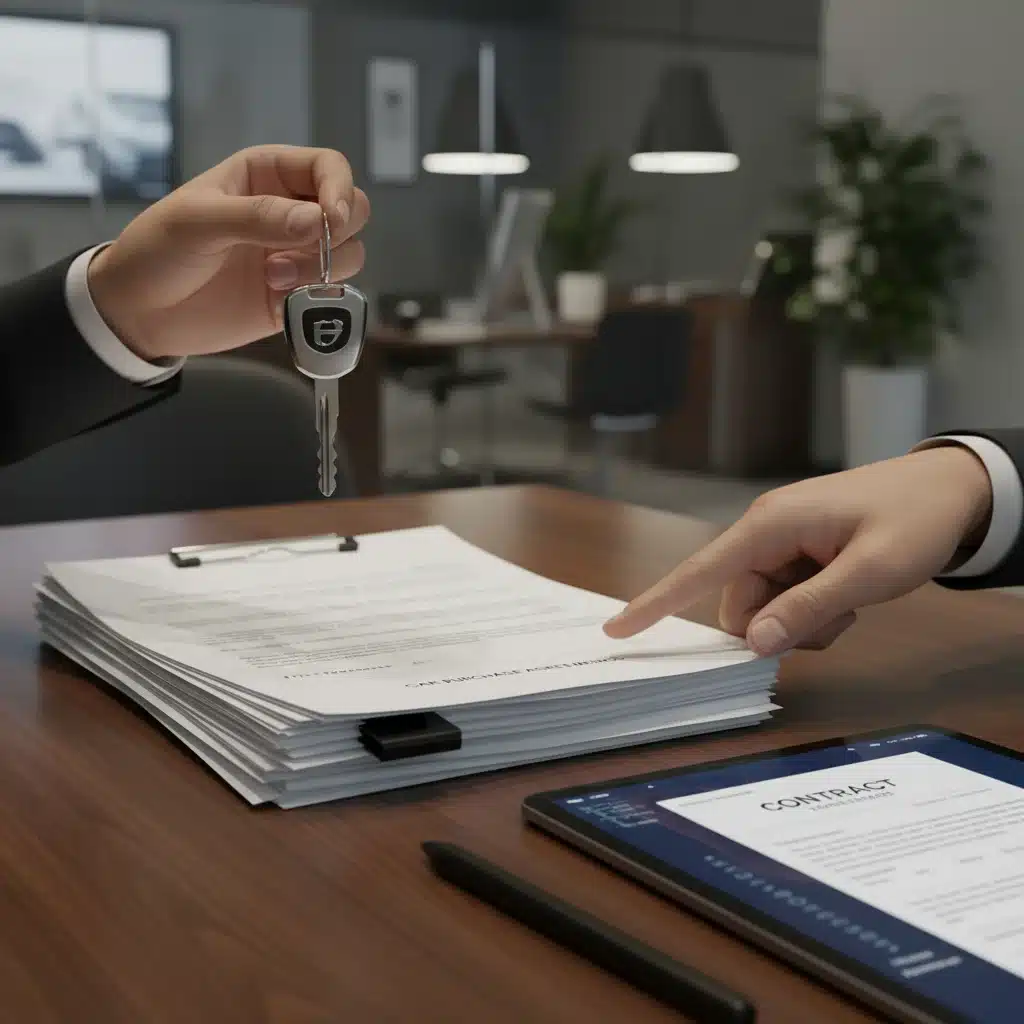
Navigating 2026 Car Purchase Paperwork: Your Essential Guide to Avoiding Costly Errors
The excitement of buying a new car is often overshadowed by the daunting pile of paperwork that accompanies the transaction. In 2026, with evolving regulations, digital integration, and an increasingly complex automotive market, understanding and meticulously handling your car purchase paperwork is more critical than ever. A single oversight or misunderstanding can lead to significant financial headaches, legal disputes, and prolonged frustration. This comprehensive guide will equip you with the knowledge to navigate the intricacies of vehicle acquisition documents, helping you avoid common pitfalls and ensure a smooth, legally sound purchase.
From sales contracts to financing agreements, registration forms, and warranty details, each piece of paper (or digital document) plays a vital role. Ignoring the fine print or rushing through signatures can expose you to unexpected fees, unfavorable terms, or even ownership disputes down the line. We’ll delve into the most crucial documents, highlight potential red flags, and provide actionable advice to protect your investment and peace of mind.
The Foundation: Understanding Core Car Purchase Paperwork
Before you even step foot in a dealership, familiarizing yourself with the essential documents involved in a car purchase is paramount. This foundational knowledge will empower you to ask the right questions and scrutinize every detail. The core car purchase paperwork typically includes:
1. The Buyer’s Order/Sales Contract
This is arguably the most critical document. It’s the official agreement between you and the dealership, outlining the terms of the sale. It should detail the vehicle’s make, model, VIN, purchase price, trade-in value (if applicable), down payment, and any additional fees. Always ensure the final price matches what was agreed upon, including all taxes, tag fees, and documentation fees. Look for any discrepancies in the vehicle description or agreed-upon accessories. Any verbal promises should be explicitly written into this contract; otherwise, they are not legally binding.
2. Financing Agreement/Loan Contract
If you’re financing your car, this document will detail the terms of your loan. Key elements to scrutinize include the annual percentage rate (APR), the total amount financed, the number of payments, the monthly payment amount, and any prepayment penalties. Understand whether the loan is simple interest or precomputed. Simple interest loans charge interest based on the outstanding balance, allowing you to save money by making extra payments. Precomputed loans, less common but still existing, calculate total interest upfront, meaning extra payments may not significantly reduce the overall interest paid. Always compare the APR offered by the dealership with pre-approved loans from banks or credit unions.
3. Vehicle Title and Registration
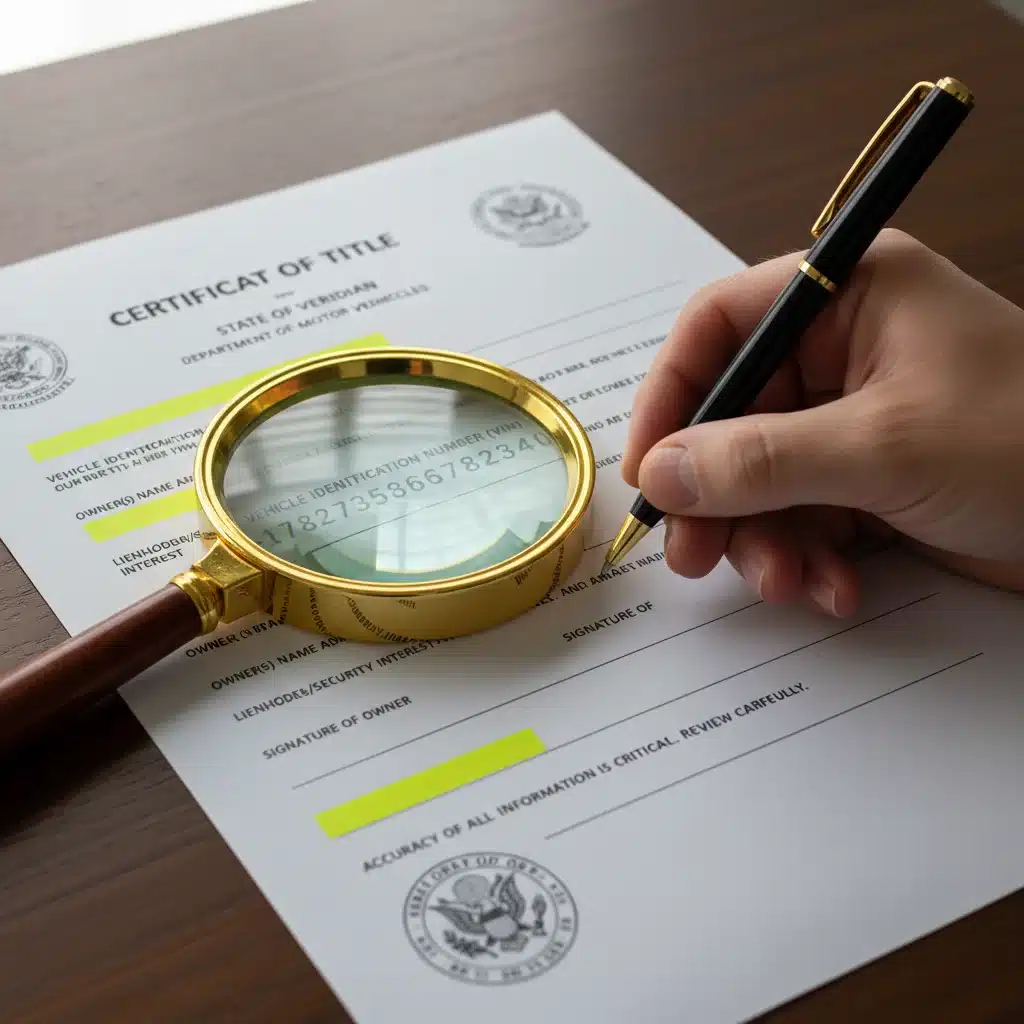
The vehicle title (or certificate of origin for new cars) is proof of ownership. For new cars, the dealership typically handles the initial registration and title application with the state’s Department of Motor Vehicles (DMV) or equivalent agency. For used cars, you’ll need to ensure the title is properly transferred from the previous owner to you. Verify that the VIN on the title matches the VIN on the vehicle itself. Incorrect title information can lead to significant delays in registration and potential legal issues regarding ownership. Registration ensures your car is legally allowed on the road. Understand the timeline for receiving your permanent plates and registration, and what temporary tags allow.
4. Odometer Disclosure Statement
For used cars, this document certifies the mileage shown on the odometer is accurate. It’s a federal requirement to protect buyers from odometer fraud. Ensure the mileage recorded on this statement matches the vehicle’s actual odometer reading. If the mileage is inaccurate or ‘not actual mileage,’ this must be explicitly stated.
5. Bill of Sale
While often part of the Buyer’s Order, a separate Bill of Sale might be provided, especially in private party transactions. It serves as a receipt and formalizes the transfer of ownership. It should include the names and addresses of both buyer and seller, the date of sale, the purchase price, and a description of the vehicle, including the VIN.
6. Warranty Information
Whether it’s a manufacturer’s new car warranty, an extended warranty, or an ‘as-is’ statement for a used car, understanding the warranty terms is crucial. If an extended warranty is purchased, ensure you receive a separate contract detailing coverage, exclusions, deductible, and the warranty provider. For used cars sold ‘as-is,’ understand that you are accepting the vehicle with all its existing and potential future defects.
Common Paperwork Pitfalls and How to Avoid Them in 2026
Even with a basic understanding, many buyers fall prey to common errors. Being proactive and meticulous can save you thousands of dollars and countless hours of stress.
Pitfall 1: Rushing Through the Documents
Dealerships often present a stack of documents at the end of a long negotiation process, when buyers are tired and eager to leave. This is a prime time for errors to slip through. Avoid at all costs: Never rush. Take your time to read every single document, line by line. If you feel pressured, ask to take the documents home to review them, or bring a trusted advisor with you. Don’t be afraid to ask for clarification on anything you don’t understand.
Pitfall 2: Not Verifying All Figures
The final purchase price on the sales contract should match your agreed-upon price. Scrutinize every fee listed. Common fees include documentation fees (doc fees), registration fees, and sales tax. While some fees are legitimate, others might be inflated or unnecessary add-ons. Question anything that seems excessive or wasn’t discussed. Ensure the APR on your financing agreement is what you were quoted and agreed to.
Pitfall 3: Overlooking Add-ons and Extras
Many dealerships attempt to increase profits by adding services or products you don’t need or want, such as extended warranties, paint protection, fabric protection, VIN etching, or roadside assistance packages. These can significantly inflate the total cost. Ensure that any add-ons you agreed to are explicitly listed and priced, and that any you declined are not present on the final contract. Sometimes, these are snuck in as small line items.
Pitfall 4: Incorrect Personal Information
It might seem obvious, but incorrect spelling of your name, wrong address, or an incorrect social security number on any document can cause major headaches down the line. These errors can delay title transfer, registration, and even impact your credit reporting for the loan. Double-check all personal details on every document.
Pitfall 5: Discrepancies in Trade-in Value
If you’re trading in a vehicle, ensure the agreed-upon trade-in value is accurately reflected in the sales contract. Any outstanding loan balance on your trade-in should also be clearly accounted for, either by being paid off by the dealership or rolled into your new loan (which increases your new loan amount).
For example, if you trade in a car worth $10,000 with a $5,000 loan balance, the dealership might apply a $5,000 credit towards your new car. Ensure this calculation is correct and transparent on the car purchase paperwork.
Pitfall 6: Not Receiving Copies of All Signed Documents
It is your right to receive a copy of every single document you sign. Do not leave the dealership without your complete set of signed car purchase paperwork. These documents are your legal record of the transaction and are essential for future reference, warranty claims, or if any disputes arise. Request both physical and digital copies if available.
Pitfall 7: Ignoring the ‘As-Is’ Clause for Used Cars
When buying a used car, especially from a private seller or certain dealerships, you might encounter an ‘as-is’ clause. This means you are buying the car in its current condition, with no implied or expressed warranty from the seller. If the car breaks down the day after you buy it, you are generally responsible for all repair costs. Understand this clause fully and consider a pre-purchase inspection by an independent mechanic if the car is sold ‘as-is’.
Pitfall 8: Not Understanding Lease Agreements (If Applicable)
Leasing comes with its own set of complex paperwork. Key terms to understand include the capitalized cost (the car’s price), the residual value (what the car is estimated to be worth at lease end), the money factor (equivalent to an interest rate), mileage limits, and wear-and-tear clauses. Lease agreements are notorious for hidden fees and complex calculations. Pay close attention to early termination penalties and disposition fees.
The Role of Technology and Digital Paperwork in 2026
As we move into 2026, many aspects of car purchase paperwork are becoming digitized. This can streamline the process but also introduces new considerations:
- Electronic Signatures: E-signatures are legally binding, but ensure the platform used is secure and that you still receive an accessible digital copy of all signed documents.
- Online Portals: Dealerships and lenders may offer online portals to review documents. Use these to your advantage for pre-signing or reviewing before you arrive.
- Digital Car Titles: Some states are moving towards digital car titles. Understand how this impacts ownership transfer and how you can access your digital title.
- Data Privacy: With more digital transactions, be vigilant about data privacy. Understand how your personal and financial information is being stored and protected.
Essential Pre-Purchase Checks Related to Paperwork
Beyond the immediate transaction documents, several pre-purchase checks can prevent future paperwork problems:
1. VIN Verification
Always verify the Vehicle Identification Number (VIN) on all documents against the VIN plate on the dashboard (visible through the windshield) and on the driver’s side door jamb. Discrepancies could indicate fraud, a stolen vehicle, or a rebuilt title.
2. Vehicle History Report (e.g., CarFax, AutoCheck)
For used cars, these reports are indispensable. They provide a detailed history of the vehicle, including accident history, previous owners, service records, odometer discrepancies, flood damage, and title issues (salvage, rebuilt, lemon). Compare the information in the report with the seller’s statements and the odometer disclosure. Any red flags here should lead to further investigation or walking away from the deal.
3. Lien Check
Ensure there are no outstanding liens on a used vehicle, especially in private sales. A lien means someone else has a financial claim on the car. If a lien exists and isn’t satisfied, you might not be able to legally transfer the title into your name. This information is often available through your state’s DMV or a vehicle history report.
4. Insurance Proof
You cannot drive a newly purchased car off the lot without proof of insurance. Have your insurance policy ready or be prepared to purchase temporary coverage. The dealership will likely ask for this as part of the car purchase paperwork.
Post-Purchase Paperwork: What to Expect and Keep
Your responsibility with car purchase paperwork doesn’t end when you drive off the lot. There are crucial post-purchase steps and documents to manage:
- Receiving Your Title and Registration: If the dealership handled this, track its progress. You should receive your permanent title and registration within a few weeks to a few months, depending on your state. Follow up if there are delays.
- Loan Documents: Keep all your financing agreements in a safe place. You’ll need them for tax purposes, refinancing, or if you ever have questions about your loan terms.
- Warranty Information: File away all warranty documents. You’ll need them if you require repairs under warranty.
- Maintenance Records: Start a new file for your car’s maintenance records. This is crucial for resale value and proving proper care.
- Sales Tax Records: Keep records of sales tax paid for potential future tax deductions or audits.

Legal Recourse for Paperwork Errors or Fraud
Despite your best efforts, sometimes errors or even fraudulent activities can occur. Knowing your rights and potential legal avenues is important:
- Contact the Dealership/Seller: Start by addressing the issue directly with the dealership or seller. Many problems can be resolved through communication.
- State Attorney General’s Office: If direct communication fails, your state’s Attorney General’s office or consumer protection division can often mediate disputes or investigate fraudulent practices.
- DMV or Licensing Board: Issues related to title, registration, or dealership licensing can often be reported to your state’s Department of Motor Vehicles or the board that licenses auto dealerships.
- Lemon Laws: If your new car has significant, unfixable defects, your state’s lemon laws might provide recourse. These laws are specific and often have strict timelines and conditions.
- Legal Counsel: For complex or significant disputes, consulting with an attorney specializing in consumer law or auto fraud is advisable.
Tips for a Seamless 2026 Car Purchase Paperwork Experience
To summarize and provide a clear roadmap, here are actionable tips for managing your car purchase paperwork in 2026:
- Do Your Homework: Research vehicle prices, financing options, and common fees before you visit a dealership.
- Pre-Approval for Loans: Get pre-approved for a loan from your bank or credit union. This gives you leverage and a benchmark for comparison.
- Budget for All Costs: Remember that the purchase price is just one part. Factor in sales tax, registration fees, insurance, and potential add-ons.
- Read Everything Carefully: Never sign anything you haven’t read and fully understood. Ask questions until you are satisfied.
- Verify All Numbers: Double-check all figures, especially the purchase price, APR, monthly payment, and trade-in value.
- Scrutinize Add-ons: Be firm about what you want and don’t want. Ensure only agreed-upon items are on the contract.
- Check Personal Information: Ensure your name, address, and other identifying details are correct on all documents.
- VIN Match: Always verify the VIN on the documents against the vehicle itself.
- Get Copies: Demand and retain copies of all signed documents, both physical and digital.
- Consider a Pre-Purchase Inspection: For used cars, an independent mechanic’s inspection can uncover issues before you sign the ‘as-is’ clause.
- Stay Organized: Create a dedicated folder (physical and/or digital) for all your car purchase and ownership documents.
Conclusion: Empowering Your Car Purchase Journey
Buying a car is a significant financial decision, and the accompanying car purchase paperwork is the legal backbone of that transaction. By understanding the documents, knowing what to look for, and being meticulous in your review, you can protect yourself from common errors and potential exploitation. In 2026, with the increasing complexity of vehicle sales and the blend of traditional and digital processes, an informed approach is your best defense.
Don’t view the paperwork as a mere formality; see it as an essential shield for your investment. Take your time, ask questions, and trust your instincts. A thorough review of your car purchase paperwork ensures that your exciting new vehicle acquisition remains a positive experience, free from unexpected complications and future regrets. Drive off with confidence, knowing every ‘i’ is dotted and every ‘t’ is crossed.