Connected Car Ecosystems 2026: Data Monetization & Cybersecurity in the U.S.
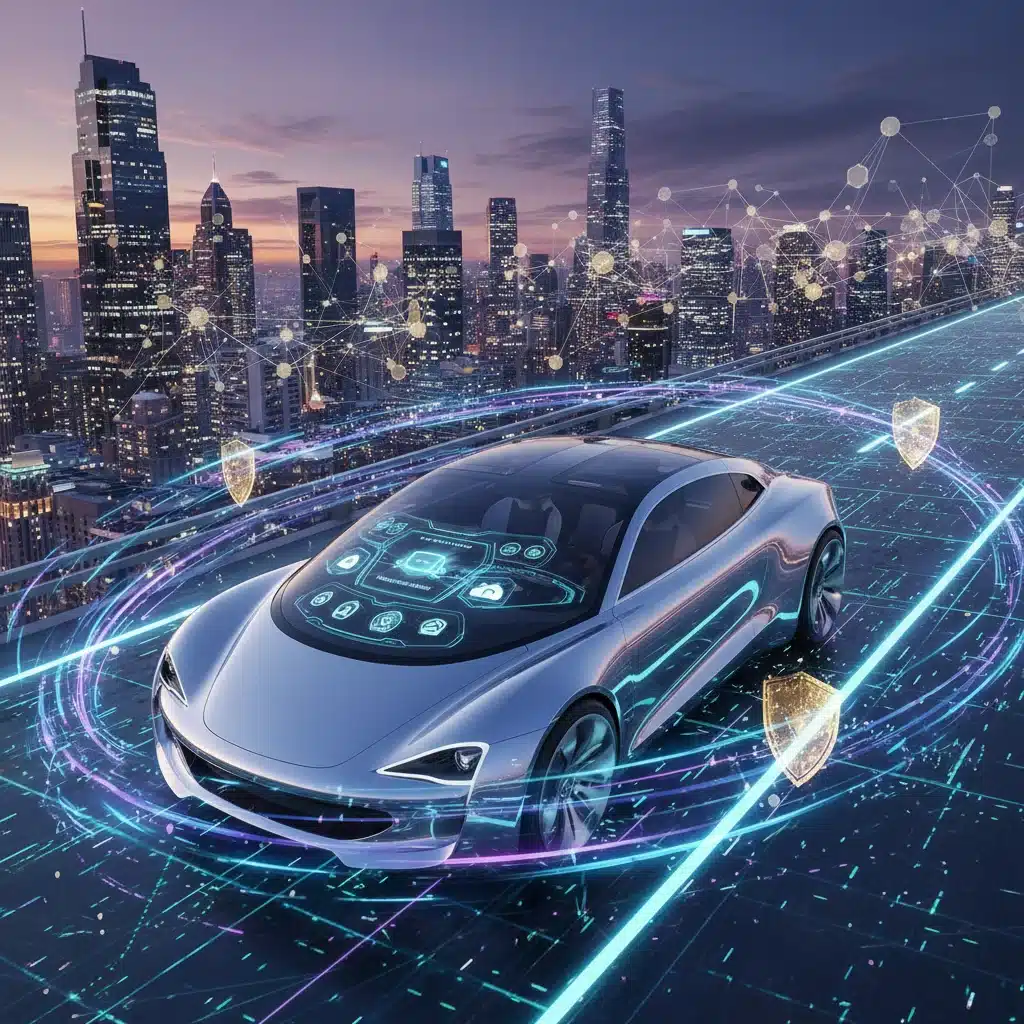
The Road Ahead: Connected Car Ecosystems in the U.S. by 2026 – Data Monetization and Cybersecurity
The automotive industry is undergoing a seismic shift, propelled by the rapid evolution of technology. At the heart of this transformation lies the burgeoning realm of connected car ecosystems. By 2026, the United States market is poised to witness an unprecedented integration of vehicles into a vast digital network, promising a future where cars are not merely modes of transport but intelligent, data-generating hubs. This deep dive explores the critical dimensions of this future: the immense potential for data monetization and the paramount importance of robust cybersecurity measures.
Understanding the Connected Car Ecosystem
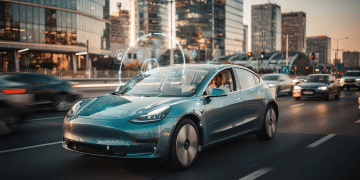
Before we delve into the intricacies of 2026, it’s crucial to define what constitutes a connected car ecosystem. At its core, it refers to a network of interconnected vehicles, infrastructure, and services that communicate and share data to enhance safety, efficiency, convenience, and entertainment. This ecosystem encompasses a wide array of technologies, including:
- Telematics: Systems that record and transmit data about a vehicle’s location, speed, engine performance, and driver behavior.
- Infotainment Systems: Integrated displays offering navigation, media, communication, and internet access.
- Vehicle-to-Everything (V2X) Communication: Technologies enabling cars to communicate with other vehicles (V2V), infrastructure (V2I), pedestrians (V2P), and the cloud (V2C).
- Advanced Driver-Assistance Systems (ADAS): Features like adaptive cruise control, lane-keeping assist, and automatic emergency braking, which often rely on sensor data and connectivity.
- Over-the-Air (OTA) Updates: The ability to wirelessly update vehicle software, improving functionality and security without a visit to the dealership.
The synergy of these components is creating a truly intelligent vehicle that generates, transmits, and consumes vast amounts of data. This data, if harnessed effectively, holds the key to significant economic opportunities, but also presents formidable challenges, particularly in the realm of security and privacy.
The Data Goldmine: Monetization Strategies by 2026
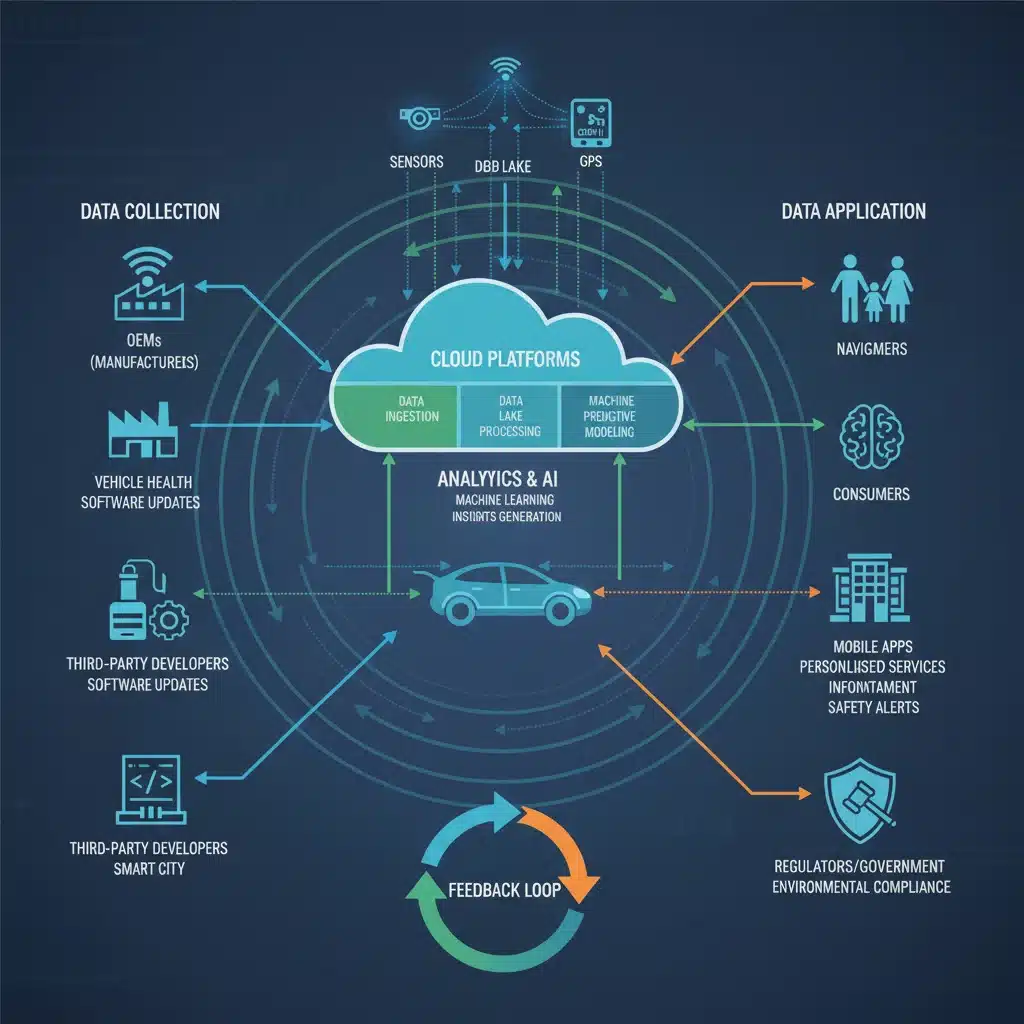
The sheer volume and variety of data generated by connected car ecosystems represent a new frontier for value creation. By 2026, the U.S. market will likely see sophisticated strategies for monetizing this data, moving beyond basic telematics services to more nuanced and integrated approaches. Here are some key avenues for data monetization:
Personalized Services and Infotainment
One of the most immediate and impactful areas for data monetization is the delivery of highly personalized services. Data on driving habits, preferred routes, music choices, and frequented locations can be used to offer tailored recommendations for restaurants, fuel stations, parking, and entertainment. Subscription-based models for premium infotainment features, real-time traffic updates, and advanced navigation will become commonplace. Automakers and third-party developers will collaborate to create a rich app ecosystem within the vehicle, much like smartphones today. This will transform the in-car experience from a passive journey to an active, personalized environment.
Usage-Based Insurance (UBI)
The insurance industry is already leveraging telematics data to offer usage-based insurance (UBI) policies. By 2026, this trend will accelerate significantly. Data on acceleration, braking patterns, mileage, and even time of day driving can provide insurers with a much more accurate risk profile of a driver. This allows for more personalized and potentially lower premiums for safe drivers, while also incentivizing safer driving behaviors. The integration of connected car data will move UBI from a niche offering to a mainstream insurance product, benefiting both insurers and consumers.
Predictive Maintenance and Diagnostics
Connected cars continuously monitor their own performance. This diagnostic data can be invaluable for predictive maintenance. Instead of waiting for a breakdown, vehicles can alert drivers and service centers to potential issues before they become critical. This not only improves vehicle reliability and extends lifespan but also creates new revenue streams for dealerships and service providers through proactive service offerings. OEMs can offer subscription services for advanced diagnostic insights and scheduled maintenance reminders, enhancing customer loyalty and service revenue.
Traffic Management and Smart City Integration
Aggregated and anonymized data from thousands of connected vehicles can provide unprecedented insights into traffic patterns, congestion points, and road conditions. This data is immensely valuable for urban planners and smart city initiatives. By sharing this information, cities can optimize traffic flow, manage parking more efficiently, and even deploy emergency services more effectively. This could lead to public-private partnerships where data is exchanged for infrastructure improvements or specialized urban services. The ability to predict and mitigate traffic issues will be a cornerstone of future urban environments.
Advertising and Location-Based Marketing
As cars become more integrated into our digital lives, they also become platforms for targeted advertising. Location data, combined with user preferences, can enable highly relevant in-car advertising, such as promotions for nearby businesses or personalized offers. While privacy concerns are paramount here, consent-driven models could open up significant revenue opportunities for both automakers and third-party advertisers. Imagine receiving a coupon for your favorite coffee shop as you drive past it, tailored to your preferences and driving schedule.
Data Licensing and Analytics for Third Parties
Beyond direct services, the raw or aggregated data itself holds immense value. Automakers can license anonymized data sets to urban planners, logistics companies, market researchers, and other industries. This data can be used to analyze consumer behavior, optimize supply chains, develop new products, and inform strategic decisions across various sectors. The potential for data analytics to drive innovation and efficiency across multiple industries is vast, making vehicle data a highly sought-after commodity.
The Cybersecurity Imperative: Protecting the Connected Car
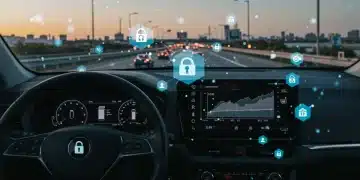
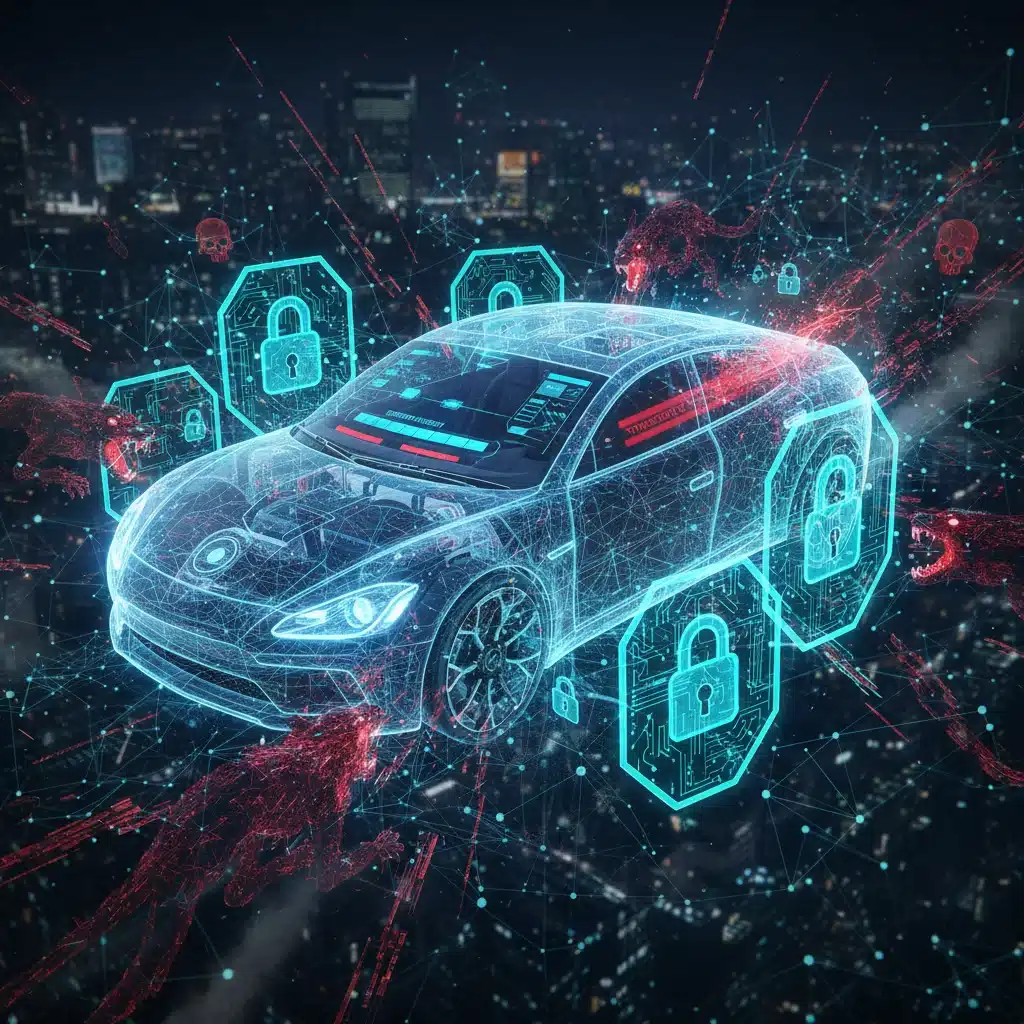
While the opportunities for data monetization are compelling, they are inextricably linked to the ability to ensure robust cybersecurity. A breach in a connected car ecosystem could have catastrophic consequences, ranging from privacy violations and financial fraud to physical harm and even widespread infrastructure disruption. By 2026, cybersecurity will not be an afterthought but a foundational element of connected car development and deployment in the U.S.
Threat Landscape Evolution
The attack surface of a connected car is vast and constantly expanding. It includes:
- External Connectivity: Wi-Fi, Bluetooth, cellular networks (5G), GPS.
- Internal Networks: CAN bus, Ethernet, LIN bus, FlexRay.
- Software and Firmware: Operating systems, application software, ECU firmware.
- Hardware: ECUs, sensors, telematics control units.
- Cloud Services: Backend servers, data storage, OTA update infrastructure.
- User Interfaces: Infotainment systems, mobile apps.
Attackers could exploit vulnerabilities to gain unauthorized access, steal personal data, manipulate vehicle controls, or even hold vehicles for ransom. The stakes are incredibly high, as the physical safety of occupants and others on the road is directly linked to the security of these systems.
Key Cybersecurity Challenges by 2026
Addressing the evolving threat landscape will require a multi-faceted approach:
- Software Vulnerabilities: As cars become more software-defined, the potential for bugs and exploits increases. Regular security audits, secure coding practices, and robust patch management will be essential.
- Supply Chain Security: The automotive supply chain is complex, involving numerous component manufacturers and software vendors. Ensuring security throughout this entire chain, from design to deployment, is a monumental task.
- Data Privacy and Compliance: With increasing data collection, adherence to privacy regulations like GDPR (even in the U.S. through state-level laws) and CCPA will be critical. Secure data storage, anonymization techniques, and transparent consent mechanisms are paramount.
- Over-the-Air (OTA) Update Security: While OTA updates are crucial for patching vulnerabilities, they also represent a potential attack vector if compromised. Secure update mechanisms, cryptographic verification, and robust authentication are vital.
- Authentication and Authorization: Strong authentication protocols are needed to ensure that only authorized users and systems can access vehicle functions and data.
- In-Vehicle Network Security: The internal communication networks within a car (e.g., CAN bus) were not originally designed with security in mind. Implementing intrusion detection systems and segmentation will be crucial.
Strategies for Enhanced Cybersecurity
By 2026, industry best practices and regulatory frameworks will drive the adoption of advanced cybersecurity measures:
- Security by Design: Integrating security considerations from the very beginning of the vehicle development lifecycle, rather than as an afterthought.
- Threat Modeling and Risk Assessment: Continuously identifying potential threats and vulnerabilities to proactively mitigate risks.
- Intrusion Detection and Prevention Systems (IDPS): Deploying systems that monitor in-vehicle networks for suspicious activity and can take action to prevent attacks.
- Cryptographic Protection: Implementing strong encryption for data in transit and at rest, as well as digital signatures for software updates and communication.
- Secure Boot and Firmware Over-the-Air (FOTA): Ensuring that only authenticated and authorized software can run on vehicle ECUs and that updates are delivered securely.
- Incident Response and Forensics: Developing robust plans for detecting, responding to, and recovering from cybersecurity incidents, including forensic analysis capabilities.
- Collaboration and Information Sharing: OEMs, suppliers, and government agencies will need to collaborate to share threat intelligence and best practices to combat a common adversary.
- Regulatory Compliance: Adhering to evolving cybersecurity standards and regulations, such as those being developed by the UNECE WP.29, which are likely to influence U.S. practices.
Regulatory Landscape and Consumer Trust
The success of connected car ecosystems in the U.S. by 2026 heavily depends on the regulatory environment and, critically, on consumer trust. While the U.S. doesn’t have a single overarching federal law for connected car data and cybersecurity, a patchwork of state and federal regulations applies, including:
- NHTSA (National Highway Traffic Safety Administration): Focuses on vehicle safety and has issued guidance on cybersecurity best practices for the automotive industry.
- FTC (Federal Trade Commission): Addresses consumer privacy and data security across various sectors, including connected devices.
- State-level Privacy Laws: Laws like the California Consumer Privacy Act (CCPA) and similar legislation in other states grant consumers more control over their personal data, impacting how vehicle data can be collected, used, and shared.
By 2026, it is highly probable that more comprehensive federal guidelines or even specific legislation will emerge to address the unique challenges of connected car data and cybersecurity. This will provide much-needed clarity for automakers and foster greater consumer confidence. Building and maintaining consumer trust will be paramount. Transparency about data collection practices, clear consent mechanisms, and a demonstrable commitment to protecting privacy and security will determine the widespread adoption and success of these ecosystems.
Key Players and Industry Dynamics
The future of connected car ecosystems in the U.S. is being shaped by a diverse set of players:
- Automakers (OEMs): Traditional car manufacturers are rapidly transforming into mobility service providers, investing heavily in software development, connectivity platforms, and cybersecurity talent.
- Technology Giants: Companies like Google, Apple, Amazon, and Microsoft are extending their ecosystems into the vehicle, offering operating systems, AI assistants, and cloud infrastructure.
- Tier 1 Suppliers: Major automotive suppliers are developing advanced sensors, communication modules, and embedded software that are critical to connected car functionality.
- Telecommunications Providers: 5G network deployment is crucial for enabling high-bandwidth, low-latency communication required for many advanced connected car applications.
- Startup Ecosystem: A vibrant ecosystem of startups is innovating in areas like cybersecurity, data analytics, in-car experience, and V2X technologies.
Collaboration and partnerships among these diverse entities will be key to unlocking the full potential of connected cars while effectively managing the associated risks. The competitive landscape will be fierce, with companies vying for control over data, user experience, and the underlying technology stack.
The Human Element: Driver Adoption and Experience
Ultimately, the success of connected car ecosystems hinges on driver adoption and the perceived value of these new services. By 2026, drivers will expect a seamless, intuitive, and secure experience. Key factors influencing adoption include:
- Ease of Use: Interfaces must be user-friendly and not distract from the primary task of driving.
- Demonstrable Value: Services must offer clear benefits, whether it’s saving time, money, enhancing safety, or providing entertainment.
- Affordability: Subscription models and service costs must be perceived as fair and reasonable.
- Data Privacy Assurance: Drivers need to feel confident that their personal data is protected and used ethically.
- Reliability and Performance: Connected features must work consistently and without glitches.
Automakers and service providers will need to invest in extensive user research and iterative design to ensure that the connected car experience meets and exceeds consumer expectations. Education campaigns will also be vital to inform drivers about the benefits and security measures in place.
Looking Beyond 2026: The Path to Autonomous Vehicles
The advancements in connected car ecosystems by 2026 are not an end in themselves, but rather crucial stepping stones towards the broader vision of autonomous vehicles. The data generated, the communication protocols established, and the cybersecurity frameworks developed for connected cars will form the foundational layers for highly automated and fully autonomous driving. V2X communication, for instance, is essential for autonomous vehicles to perceive their surroundings beyond the line of sight and make informed decisions.
The challenges of data monetization and cybersecurity will only intensify with increasing levels of autonomy. The ethical implications of AI decisions, the security of self-driving software, and the liability in case of accidents will become even more complex. The lessons learned and the infrastructure built by 2026 will be invaluable as the industry progresses towards a truly self-driving future.
Conclusion
The U.S. connected car ecosystems are on the cusp of an explosive growth phase, with 2026 marking a significant milestone in their evolution. The potential for data monetization is immense, promising new revenue streams and enhanced services that will redefine the driving experience. However, this future is inextricably linked to the industry’s ability to erect impregnable cybersecurity defenses and foster unwavering consumer trust. As technology continues to advance at a breakneck pace, the automotive sector must remain vigilant, adaptable, and collaborative to navigate the complex interplay of innovation, opportunity, and risk. The road ahead for connected cars is not just about faster, smarter vehicles, but about creating a secure, valuable, and trusted digital extension of our lives.